
Harvest
Expenses
Sign up

Employee Mileage Log

Harvest offers a straightforward way to manually track mileage expenses, helping businesses maintain accurate, IRS-compliant logs for tax deductions and reimbursements.

  • Attach receipts to projects & tasks
  • Turn tracked expenses into client invoices
  • Free 30-day trial, no credit card needed

or drag & drop • Images and PDFs, max 10 MB

Understanding IRS Requirements for Mileage Logs

Accurate and IRS-compliant mileage logs are crucial for businesses and individuals seeking tax deductions and reimbursements. The IRS mandates that these logs include specific details such as the date of travel, the starting and ending points, the purpose of the trip, and odometer readings. Notably, the IRS standard mileage rate for 2026 is set at 72.5 cents per business mile. These logs must be contemporaneous, meaning they should be recorded at or near the time of the trip, to avoid any potential audit issues.

Failure to maintain proper records can result in denied deductions and penalties. For example, a deduction of $20,085 was denied due to inconsistent odometer readings. To comply, it is recommended that businesses use tools that allow for detailed and timely logging. Harvest provides a practical solution by enabling manual entry of mileage, ensuring that all necessary details can be captured accurately.
The Transition to Digital Mileage Tracking

The shift from manual paper logs to digital mileage tracking is transforming how businesses manage vehicle use records. Digital solutions offer significant benefits in terms of accuracy, efficiency, and integration with broader expense management systems. Automated tracking can save companies over 4,000 hours annually across just 100 employees, while also reducing costs by up to 20%.

Although Harvest does not offer automated GPS tracking, it facilitates precise manual tracking of mileage expenses. This is particularly beneficial for businesses that require straightforward, project-based expense tracking. By allowing employees to manually input mileage data, Harvest helps maintain accurate logs that can be easily integrated into financial audits and planning.

Best Practices for Maintaining Accurate Mileage Records

Maintaining accurate mileage records involves several best practices that enhance both compliance and operational efficiency. First, it is essential to log each trip contemporaneously, capturing the date, starting location, destination, purpose, and total miles driven. This ensures that records are precise and compliant with IRS requirements.

Harvest supports these best practices by allowing users to manually track mileage and categorize expenses. While automated GPS tracking is not available, the manual entry functionality helps businesses maintain accurate records. Additionally, integrating mileage tracking with broader financial processes can streamline reporting and improve overall financial management.

Leveraging Harvest for Mileage Tracking

Harvest provides a straightforward solution for tracking employee mileage expenses manually. For businesses that need effective project-based expense tracking, Harvest enables the setup and management of mileage expense categories. This allows employees to input mileage data accurately, ensuring detailed records.

While Harvest does not offer automated compliance features, its manual tracking capabilities support businesses in maintaining accurate and detailed mileage logs. By using Harvest, businesses can effectively manage their mileage tracking needs and integrate this data into broader financial systems, supporting strategic planning and auditing processes.

Track Mileage with Harvest

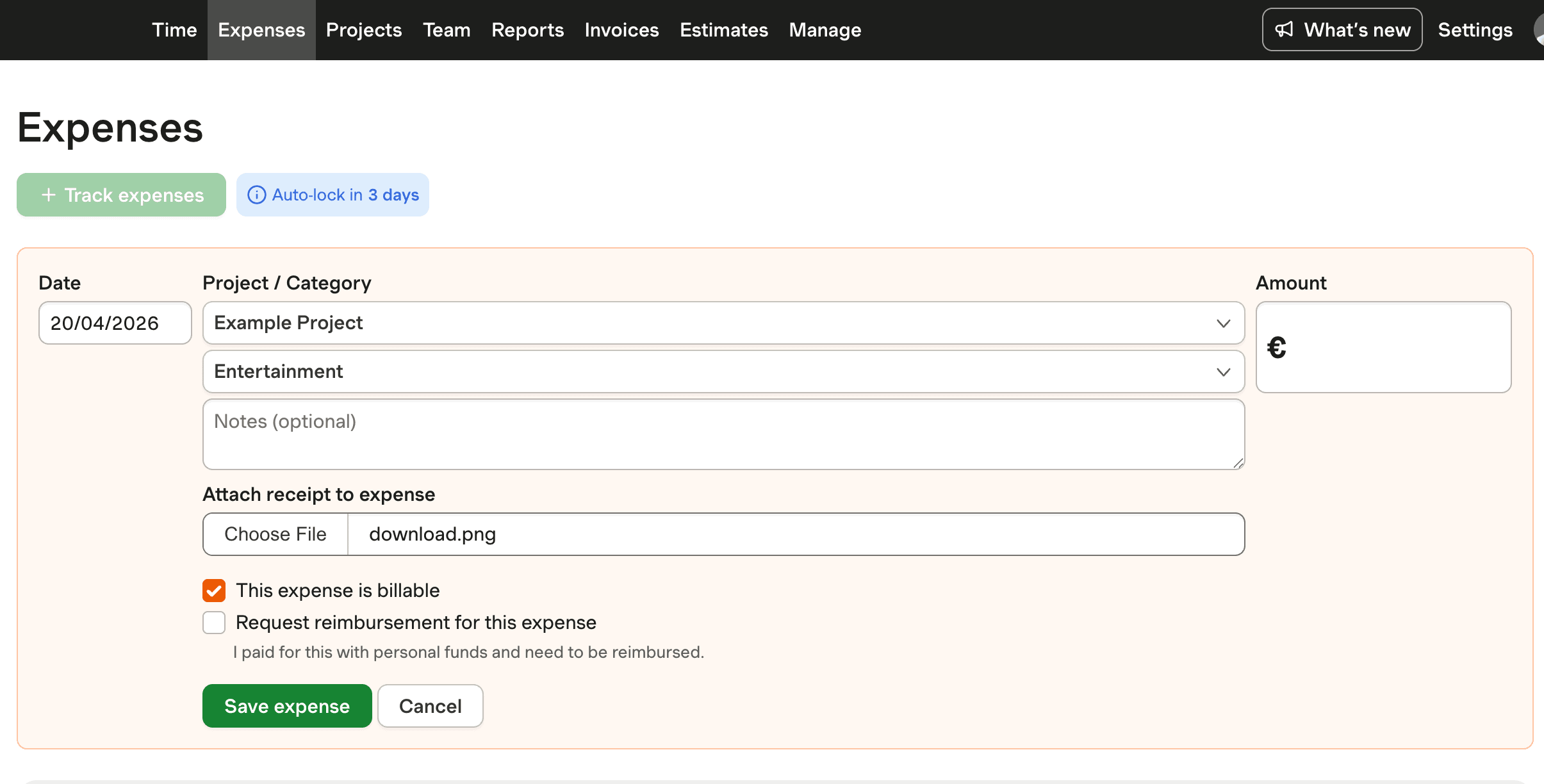
Harvest's interface allows manual entry of mileage expenses, ensuring accurate records for tax deductions and reimbursements.

Harvest employee mileage log interface for tracking expenses.

Employee Mileage Log FAQs

  • The IRS requires mileage logs to include the date of travel, starting and ending points, business purpose, and odometer readings. These logs must be recorded contemporaneously to ensure compliance and accuracy.

  • To create an IRS-compliant mileage log, record each trip as it occurs, noting the date, starting point, destination, purpose, and total miles driven. Utilize tools like Harvest to manually track these details accurately.

  • Digital mileage tracking offers enhanced accuracy, efficiency, and integration capabilities. It can save substantial time and reduce costs by automating data capture and ensuring compliance with tax regulations.

  • Harvest allows businesses to manually track mileage expenses by setting up mileage expense categories. This ensures accurate logging of details necessary for reimbursement and compliance.

  • Accurate mileage tracking is crucial for ensuring compliance with tax regulations, avoiding penalties, and optimizing reimbursement processes. It also supports effective financial planning and auditing.

  • While Harvest does not directly integrate mileage tracking with payroll systems, the data can be exported and manually integrated into broader financial and operational systems.

  • Common mistakes include vague purposes, estimating mileage, and including commute miles as business expenses. Use precise and contemporaneous logging methods to avoid these errors.