
Harvest
Expenses
Sign up

Gas Mileage Log

Harvest provides an effective solution for manually tracking mileage expenses, essential for businesses seeking accurate record-keeping and financial compliance.

EXPENSE REPORT DRAFT

Drop your receipts here or click to upload

Images and PDFs (max 10 MB each)

Date
Category
Merchant
Description
Amount
Total
$0.00

Customise report

Appearance

Show report title

Report settings

The Importance of Accurate Gas Mileage Logs

Accurately tracking gas mileage is crucial for businesses looking to optimize expenses and ensure compliance with tax regulations. The IRS requires detailed mileage logs for tax deductions, which must include the date, purpose, and starting and ending locations of each trip. Failure to maintain accurate logs can result in denied claims and even penalties. For many businesses, particularly in logistics and sales sectors, this has transformed mileage logging from a clerical task into a strategic operational tool.

Despite the critical nature of these records, many businesses still rely on outdated manual methods. Studies show that manual logs are prone to errors and inefficiencies, often resulting in inaccuracies that can inflate costs. In contrast, digital solutions have been shown to reduce administrative burdens by 30-50%, saving companies significant time and money. While Harvest does not automate mileage tracking, it provides a reliable platform for manually entering and managing mileage expenses, ensuring that businesses can keep detailed and accurate records.
Leveraging Harvest for Mileage Expense Tracking

Harvest offers a straightforward solution for tracking mileage expenses, particularly beneficial for those managing project-based work. Users can manually enter the quantity of miles driven, which is essential for businesses utilizing vehicles for both personal and business purposes. This feature allows for clear differentiation of expenses, ensuring accurate billing and reimbursement.

While Harvest does not provide automated tracking or IRS compliance features, it supports manual entry of mileage data, making it a practical choice for businesses that prefer a hands-on approach. By focusing on accurate data entry and consistency, Harvest helps minimize errors and allows businesses to maintain thorough records. This manual tracking method, although requiring more effort than automated solutions, offers flexibility and control over mileage data, which is crucial for accurate financial reporting.

Manual vs. Automated Mileage Tracking: Making the Right Choice

The decision between manual and automated mileage tracking depends largely on a company's specific needs and resources. Automated systems, which are increasingly adopted by large logistics firms, can reduce fuel wastage by up to 18% and save drivers an average of 42 hours annually. However, these systems often come with higher initial costs and require integration with existing IT infrastructure.

For businesses or individuals not ready to invest in automated solutions, manual tracking with Harvest provides a reliable alternative. Although it lacks features like GPS tracking and real-time data entry, Harvest's platform allows users to enter mileage data accurately and consistently. This can be particularly beneficial for small businesses or freelancers who need a cost-effective way to manage expenses without the complexity of advanced systems.

Best Practices for Maintaining Accurate Mileage Records

Maintaining accurate mileage records is essential for financial accuracy and compliance. Experts recommend several best practices for manual mileage logging, such as using dedicated logbooks or digital platforms like Harvest. It is crucial to record all necessary trip details, including the date, purpose, and odometer readings at the start and end of each trip.

Businesses should also establish clear policies for mileage reimbursement to ensure fair and accurate compensation. These policies should be regularly reviewed and adjusted to reflect changes in travel costs and IRS mileage rates. By integrating mileage data with financial systems, companies can streamline expense tracking and improve financial visibility. Although Harvest requires manual entry, its platform supports these best practices, allowing users to maintain detailed logs that are essential for audits and tax compliance.

Track Gas Mileage with Harvest

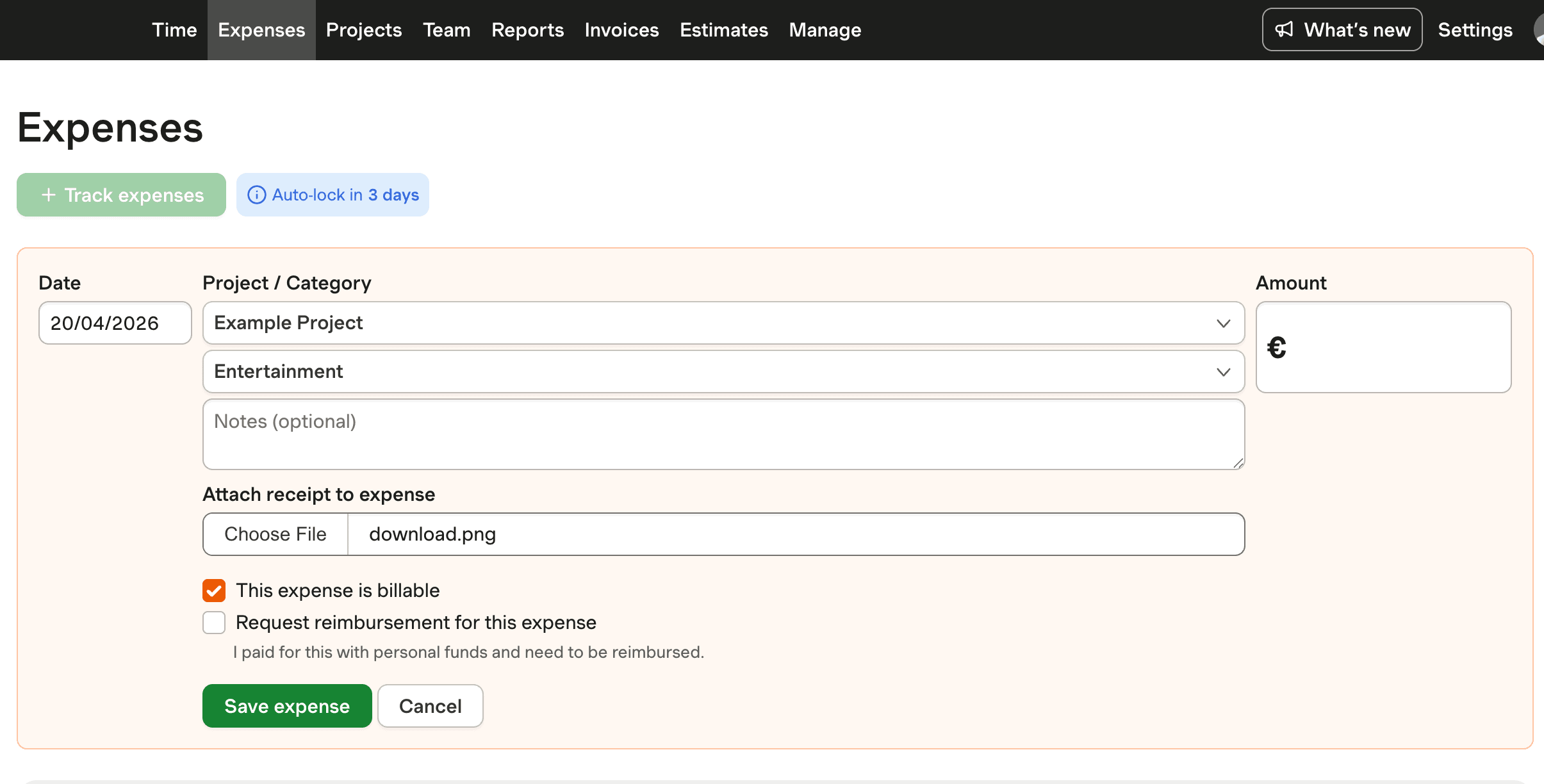
Harvest allows you to manually log gas mileage, supporting accurate expense tracking and financial compliance.

Harvest interface for gas mileage logging

Gas Mileage Log FAQs

  • A complete gas mileage log should include the date of travel, the purpose of the trip, starting and ending locations, and odometer readings at the beginning and end of each trip. These details help ensure compliance with IRS requirements for tax deductions.

  • Harvest allows users to manually enter the quantity of miles driven, which can be used for business and personal purposes. This helps in maintaining detailed records necessary for accurate billing and reimbursements.

  • The IRS requires that mileage logs include the date, purpose, starting and ending locations of each business trip. Accurate logs are essential for claiming tax deductions and avoiding penalties.

  • Yes, digital mileage logs reduce errors and save time by automating data collection. They can decrease administrative burdens by 30-50%, making them more efficient than manual logs.

  • Yes, Harvest supports tracking mileage expenses for vehicles used for both business and personal purposes. Users can differentiate between these in their records, ensuring accurate financial reporting.

  • Accurate mileage tracking is crucial for financial compliance and optimizing expenses. It ensures businesses can claim tax deductions accurately and manage vehicle-related costs effectively.

  • Manual mileage tracking can be prone to errors and inefficiencies, such as rounding or estimation. However, using a system like Harvest helps maintain accuracy through consistent and detailed record-keeping.