
Harvest
Expenses
Sign up

Making an Expense Report

Harvest simplifies the process of making an expense report by offering tools that track project costs, categorize expenses, and organize receipts efficiently.

EXPENSE REPORT DRAFT

Drop your receipts here or click to upload

Images and PDFs (max 10 MB each)

Date
Category
Merchant
Description
Amount
Total
$0.00

Customise report

Appearance

Show report title

Report settings

Essential Steps for Making an Expense Report

Creating an accurate and effective expense report is crucial for financial transparency and reimbursement efficiency. The process begins with selecting the right template. A well-structured template can simplify data entry and ensure consistency. Once chosen, gather all relevant documentation, such as receipts and invoices. It's advisable to digitize physical receipts immediately to avoid loss and streamline tracking.

Next, itemize expenses by entering each cost with details like date, vendor, amount, and category. This step is essential for accurate financial reporting and analysis. After itemizing, calculate the total to sum up all expenses. Finally, submit for approval to the finance team, who will verify compliance with company policies and approve the report for reimbursement.
How Harvest Streamlines Expense Reporting

Harvest greatly simplifies the expense reporting process, making it ideal for businesses seeking efficiency and accuracy. By using Harvest's Report Builder tool, you can create customized expense reports with ease. This feature allows you to filter and export data based on specific criteria, ensuring that reports meet your company's specific needs.

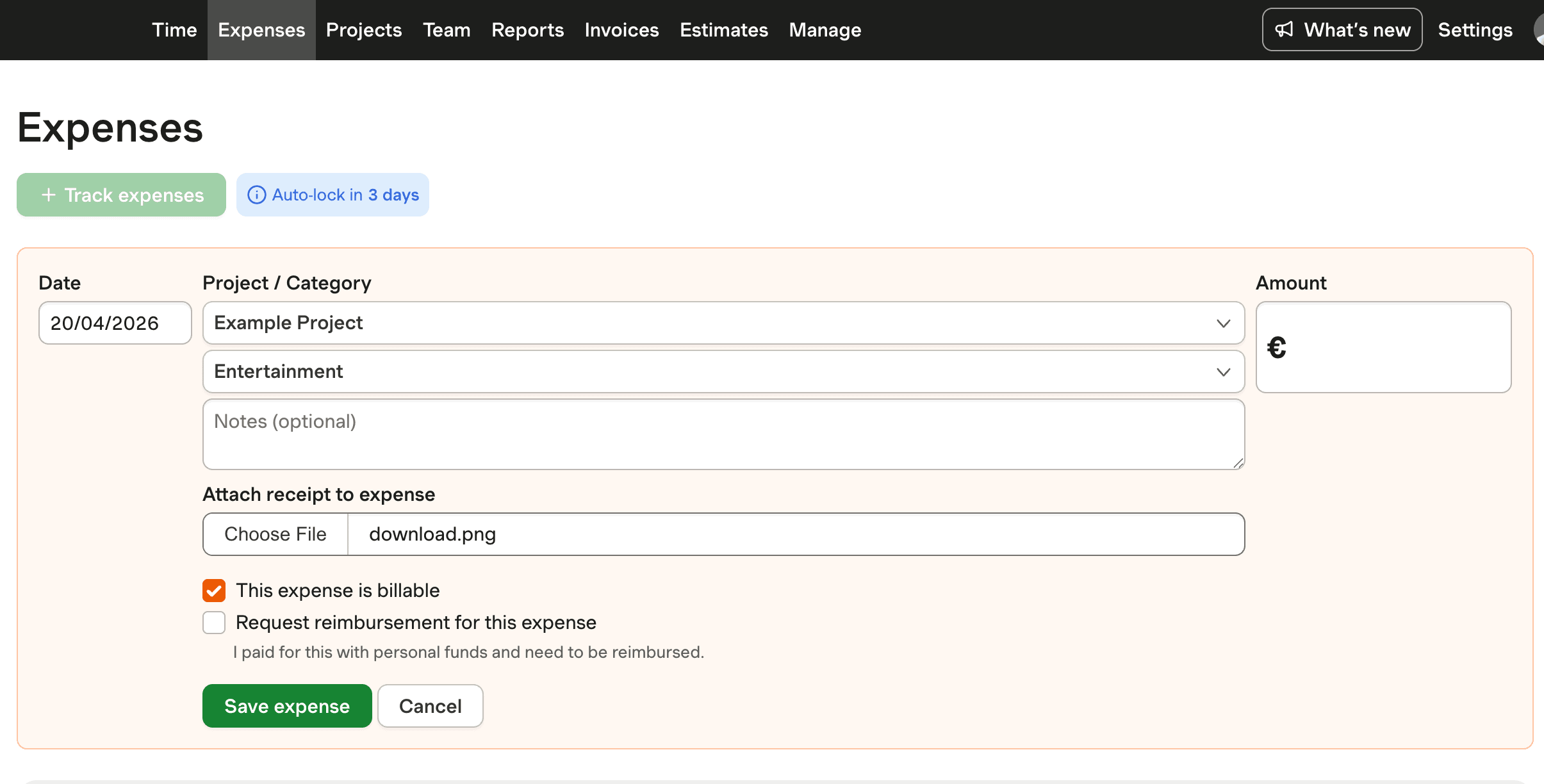
One of the standout features of Harvest is its ability to organize receipts and documentation. Users can upload and attach receipt images directly to expenses, reducing the risk of lost paperwork and improving audit readiness. Additionally, Harvest enables categorization of expenses by type, which aids financial analysis and budgeting efforts. This organized approach not only enhances accuracy but also provides valuable insights into spending patterns.

Maximizing Efficiency with Automated Expense Management

Automating expense management can lead to significant efficiency gains, a fact demonstrated by a 27% time saving and a 20% reduction in errors when using automated solutions. Manual processes often consume excessive time and lead to errors, negatively impacting productivity and morale. For instance, a 200-person company typically spends 330 hours annually processing expense reports manually.

Harvest supports automation by integrating expense tracking with project management, allowing businesses to track project costs, including those for external vendors and prototypes. This integration not only reduces manual data entry but also streamlines the entire financial reporting process, enabling more agile decision-making. By leveraging Harvest's capabilities, businesses can focus on strategic planning rather than administrative tasks.

Avoid Common Mistakes in Expense Reporting

Common mistakes in expense reporting include losing receipts, mixing personal with business expenses, and incorrect categorization. These errors can lead to rejected claims, audit issues, and inaccurate financial records. It's crucial to retain all receipts, whether physical or digital, as they are essential for compliance and taxation purposes.

Harvest mitigates these issues by allowing users to upload and organize receipts directly within the platform. This approach ensures that all necessary documentation is securely stored and easily accessible. Furthermore, Harvest's categorization feature helps prevent misclassification of expenses, ensuring that financial data remains accurate and reliable. By addressing these common pitfalls, Harvest empowers businesses to maintain compliance and streamline their financial operations.

Integrating Expense Reports into Financial Planning

Expense reports play a vital role in budgeting and financial planning. By integrating expense data with project budgets, businesses gain enhanced control over spending and improved financial transparency. Harvest facilitates this by allowing customization of expense reports based on specific company needs, supporting strategic financial planning.

In addition to standard reporting, Harvest's ability to categorize expenses by type aids in detailed financial analysis. This capability allows businesses to identify spending trends and make informed decisions about resource allocation. By incorporating expense reports into overall financial strategies, companies can better manage their budgets and optimize expenditure.

Create Expense Reports with Harvest

Discover how Harvest simplifies making an expense report with features for tracking, categorizing, and organizing expenses.

Screenshot of Harvest's expense report creation interface.

Making an Expense Report FAQs

  • To begin making an expense report, select a template suitable for your needs. Gather all relevant receipts and documentation, then itemize each expense with details like date, amount, and category. Finally, calculate the total and submit the report for approval.

  • An expense report should include each expense's date, vendor, amount, category, and business purpose. Additionally, supporting documentation such as receipts should be attached to verify the expenses claimed.

  • Harvest helps streamline expense reporting by providing tools to track project costs, categorize expenses, and organize receipts. It also allows for customization of reports to fit specific business needs, enhancing accuracy and efficiency.

  • Accurate categorization of expenses is crucial for maintaining reliable financial records and ensuring compliance with company policies. It helps in budgeting, financial analysis, and identifying spending patterns, which are vital for strategic decision-making.

  • Yes, Harvest can automate many aspects of expense reporting. It integrates with project management to track costs automatically, reducing manual data entry and improving accuracy. This automation saves time and reduces error rates.

  • Common mistakes include losing receipts, mixing personal with business expenses, and incorrect categorization. Using a system like Harvest can help manage receipts digitally and ensure expenses are correctly categorized.

  • Expense reporting provides insights into spending patterns and budget compliance, which are essential for financial planning. By integrating expense data into budgets, businesses can control spending and enhance transparency.