
Harvest
Expenses
Sign up

Phone Reimbursement

Harvest enables businesses to efficiently track work-related phone expenses, crucial for managing reimbursement policies despite the complexity of state-specific laws.

EXPENSE REPORT DRAFT

Drop your receipts here or click to upload

Images and PDFs (max 10 MB each)

Date
Category
Merchant
Description
Amount
Total
$0.00

Customise report

Appearance

Show report title

Report settings

Understanding Phone Reimbursement Policies

Phone reimbursement has become a crucial component of employment policies due to the rise of the "Bring Your Own Device" (BYOD) trend. Currently, 82% of organizations implement BYOD programs, allowing employees to use personal devices for work, which saves companies an average of $341 per employee annually. Despite these savings, only 15% of companies provide work-issued smartphones. This shift signifies a blended approach where 90% of employees use both company-issued and personal devices.

Creating a clear phone reimbursement policy is essential to manage this trend effectively. Industries with high client interaction, such as healthcare and financial services, often reimburse phone expenses to ensure seamless communication. Policies should be comprehensive, outlining which employees are eligible for reimbursement, the amount, and the documentation required. For instance, the University of Arkansas System Division of Agriculture offers up to $50 per month for business use, illustrating an organized approach to managing these expenses.
Legal Requirements for Phone Reimbursements

Understanding the legal landscape of phone reimbursements is vital for compliance. In the U.S., federal law requires reimbursement only if unpaid costs would lower an employee's wage below the minimum. However, states like California and Illinois mandate employers to reimburse a "reasonable percentage" of personal cell phone bills when used for work, irrespective of the employee's phone plan.

Employers should stay informed about state-specific laws to avoid potential legal challenges. For example, California's Labor Code section 2802 compels reimbursement even if the employee does not incur extra costs, based on the *Cochran v. Schwan's Home Service* ruling. Regularly updating reimbursement policies ensures compliance with evolving regulations and safeguards against legal disputes.

Calculating Reimbursement Amounts

Calculating the right reimbursement amount for phone usage is a common challenge. While Harvest does not calculate reimbursement amounts, businesses can track work-related expenses using Harvest to document these costs by date, project, and category. This tracking aids in determining fair reimbursement.

Data shows that 98% of organizations with BYOD policies offer stipends, averaging $40.20 per month. Employers should evaluate different reimbursement methods, such as flat stipends or percentage-based reimbursements, to find a financially viable solution. A well-documented process ensures transparency and fairness, minimizing disputes over reimbursement amounts.

Best Practices for Implementing Phone Reimbursement

Implementing a structured phone reimbursement policy involves defining eligibility, calculating costs, and ensuring compliance. Clear guidelines on what constitutes work-related use, such as calls and emails, prevent disputes. Documentation is crucial; requiring detailed phone bills or usage logs can substantiate claims.

Harvest can assist in maintaining accurate records of work-related phone expenses, enhancing the documentation process. Employers are encouraged to streamline reimbursements through payroll for efficiency, as demonstrated by UADA's approach. Avoiding common mistakes, such as vague policies or outdated reimbursement amounts, is key to successful implementation.

Phone Reimbursement with Harvest

See how Harvest tracks work-related phone expenses, aiding efficient reimbursement management. Simplify your reimbursement process today.

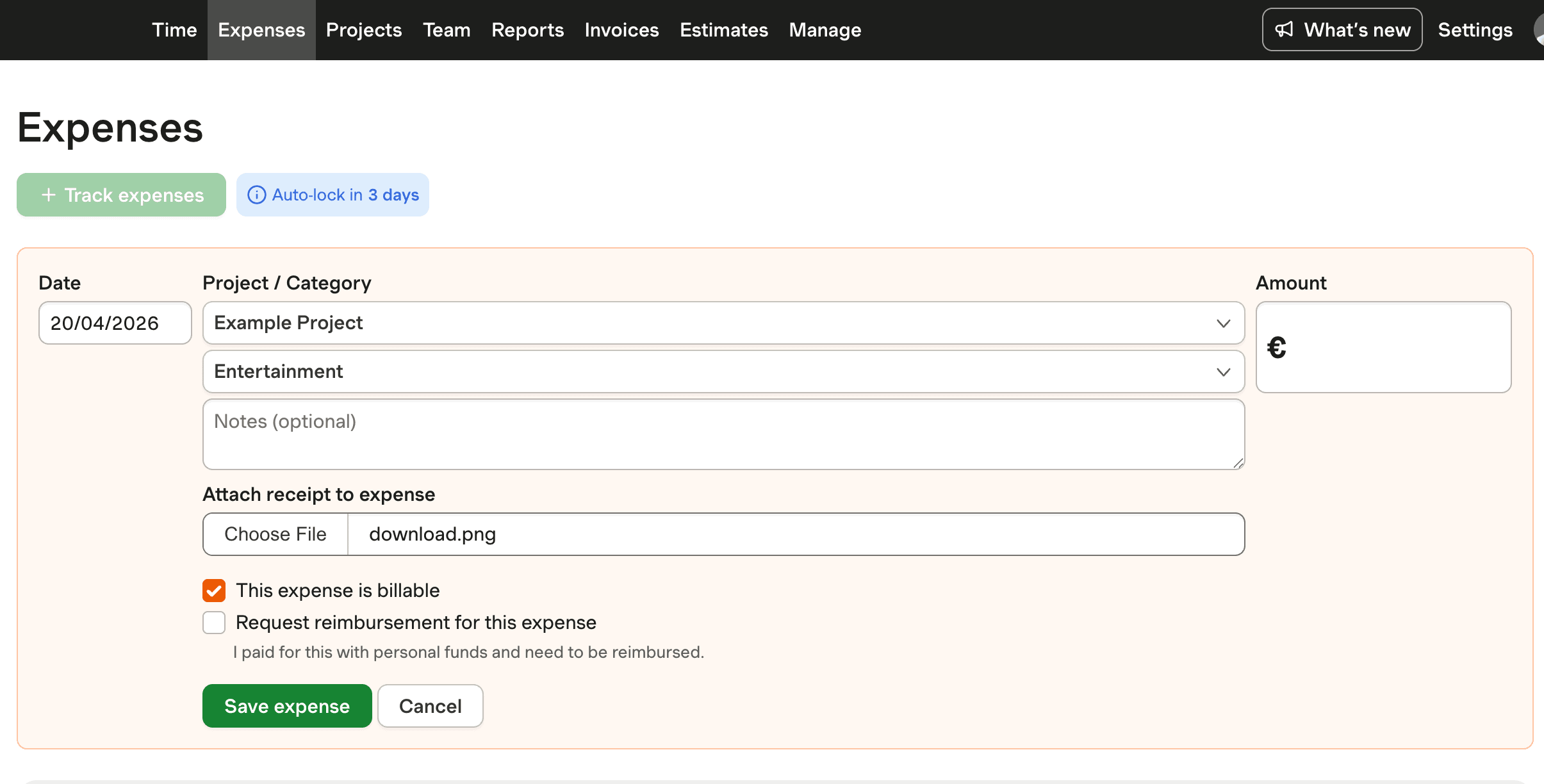
Harvest interface for phone reimbursement tracking.

Phone Reimbursement FAQs

  • In California, employers must reimburse employees a "reasonable percentage" of their personal cell phone bills if used for work, as per Labor Code section 2802. This obligation exists even if employees have unlimited plans and do not incur additional costs.

  • Calculating phone reimbursement can involve flat stipends or percentage-based methods. While Harvest doesn't calculate amounts, it allows tracking of work-related expenses, providing a basis for fair reimbursement calculations.

  • Phone reimbursements are typically non-taxable if they're for non-compensatory business reasons and do not exceed the employee's actual costs. Employers should ensure reimbursements align with these guidelines to maintain tax compliance.

  • A phone stipend is a fixed amount given regularly, regardless of actual expenses, simplifying the reimbursement process. Reimbursement, on the other hand, involves compensating employees for actual work-related costs incurred.

  • Best practices include defining eligibility, maintaining accurate documentation, and integrating reimbursements with payroll. Clear guidelines on business use versus personal use help prevent disputes and ensure fair compensation.

  • Yes, Harvest helps track work-related phone expenses by allowing users to document expenses by date, project, and category. This aids in substantiating reimbursement claims and maintaining accurate records.

  • Regular updates ensure compliance with evolving state laws and changing business needs. Policies should reflect current legal requirements and fair reimbursement amounts to avoid disputes and legal issues.

  • Employers can streamline reimbursements by integrating them with payroll, reducing administrative overhead. This approach, used by organizations like UADA, simplifies the process and ensures clarity on pay stubs.