
Harvest
Expenses
Sign up

Money Reimbursement

Harvest simplifies the money reimbursement process by enabling businesses to efficiently track expenses and upload receipts, reducing errors and enhancing compliance.

  • Attach receipts to projects & tasks
  • Turn tracked expenses into client invoices
  • Free 30-day trial, no credit card needed

or drag & drop • Images and PDFs, max 10 MB

Understanding Money Reimbursement in Business

Money reimbursement is a vital process that ensures employees are compensated for out-of-pocket expenses incurred during business activities. Common reimbursable expenses include travel, meals, and lodging, all of which require proper documentation for verification. According to the IRS, while receipts aren't necessary for expenses under $75, lodging always requires one. Non-compliance with reimbursement policies can lead to significant penalties, especially in states like California where employers must reimburse reasonable business expenses promptly, usually within 30 days.

Automating reimbursement processes can reduce costs by an average of 23% and increase the speed of reimbursement cycles by 71%. Companies that have transitioned to AI-driven solutions report saving $75 per expense report. Harvest supports businesses by allowing users to track expenses and upload receipts, facilitating a streamlined reimbursement process for small to medium-sized enterprises.
Streamlining Reimbursement with Harvest

Streamlining expense reimbursement is crucial for improving operational efficiency and employee satisfaction. Manual expense reporting systems are prone to errors, with nearly 49% of reports containing inaccuracies. These errors cost approximately $52 each to correct and require 18 minutes of a finance team's time. By adopting automated solutions like Harvest, businesses can significantly reduce these inefficiencies.

Harvest offers tools to track expenses and upload receipt images seamlessly. This functionality supports custom expense categories, such as travel and meals, aligning with employee reimbursement policies. These features ensure that organizations maintain accurate records, thus enhancing compliance and reducing the administrative burden associated with manual processing.

The Importance of Accurate Documentation

Accurate documentation is essential for efficient reimbursement and compliance with tax regulations. The IRS recommends retaining receipts and credit card statements, even for expenses under $75, excluding lodging, to prevent audit complications. Detailed expense reports should include accurate dates, amounts, and descriptions to avoid processing delays.

Harvest aids in maintaining accurate documentation by enabling users to upload and organize receipts quickly. This feature not only supports compliance with policies but also facilitates faster reimbursement cycles, improving employee satisfaction. With Harvest, businesses can establish clear reimbursement policies and ensure all expenses are documented meticulously.

Implementing Effective Reimbursement Policies

Effective reimbursement policies are fundamental to reducing costs and preventing fraud. Manual systems often inflate mileage claims by 10-15% and risk duplicate claims. Establishing clear guidelines for reimbursable expenses and leveraging technology to enforce these policies can significantly mitigate such issues.

Harvest supports the creation of comprehensive reimbursement policies by tracking expenses across various categories, such as travel and meals. This enables businesses to enforce policy guidelines effectively and reduce the chance of fraudulent claims through automated checks. With Harvest, businesses can aim to reimburse employees within 7-10 business days, significantly enhancing the employee experience.

Track Expenses with Harvest

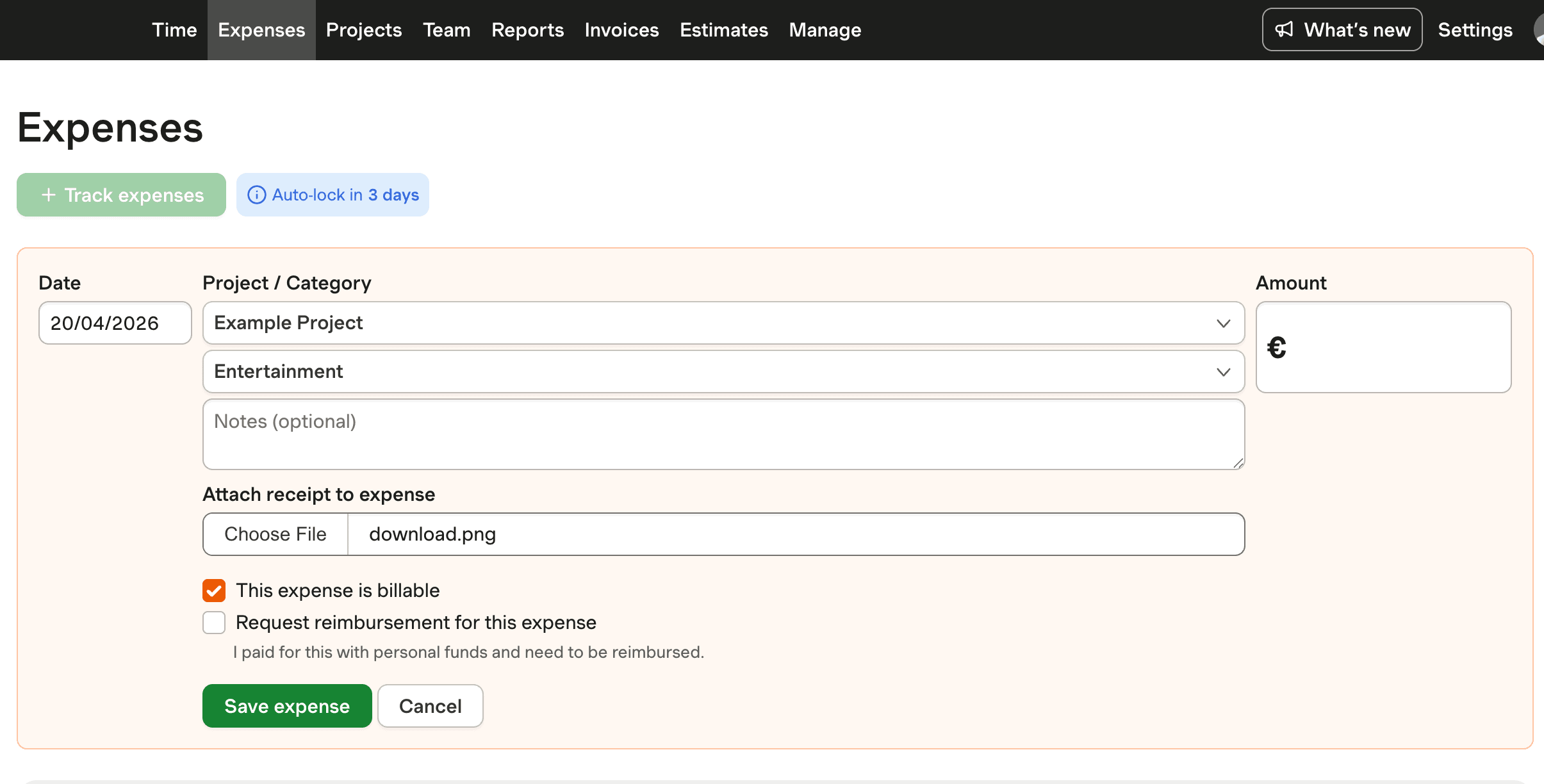
Harvest allows users to track expenses and upload receipts, streamlining the money reimbursement process for businesses.

Screenshot of Harvest expense tracking for money reimbursement.

Money Reimbursement FAQs

  • Reimbursable expenses typically include travel, meals, lodging, and other business-related costs. It's crucial to follow company-specific reimbursement policies to understand what is eligible.

  • Generally, receipts are required for all expenses over $75, except for lodging, which always requires a receipt. Retaining credit card statements or other proof is also recommended for audit purposes.

  • Harvest facilitates the reimbursement process by allowing users to track expenses and upload receipt images. This helps businesses maintain accurate records and streamline reimbursements.

  • Automated systems reduce errors, improve data accuracy by 75%, and expedite reimbursement cycles by 71%. They also save costs, averaging $75 per expense report processed.

  • Reimbursement policies vary widely, often depending on company size and industry. They typically define eligible expenses, documentation requirements, and submission deadlines.

  • Reimbursement is the repayment of out-of-pocket expenses for business purposes, while compensation refers to salary or wages provided for work performed. Harvest focuses on expense tracking, not compensation management.

  • Ideally, reimbursements should be processed within 7-10 business days after approval. Prompt processing enhances employee satisfaction and maintains compliance with legal standards.

  • Manual systems are prone to errors, with nearly 49% of reports containing inaccuracies. These errors are costly and time-consuming to correct, highlighting the need for automation.