
Harvest
Expenses
Sign up

Gusto Reimbursements

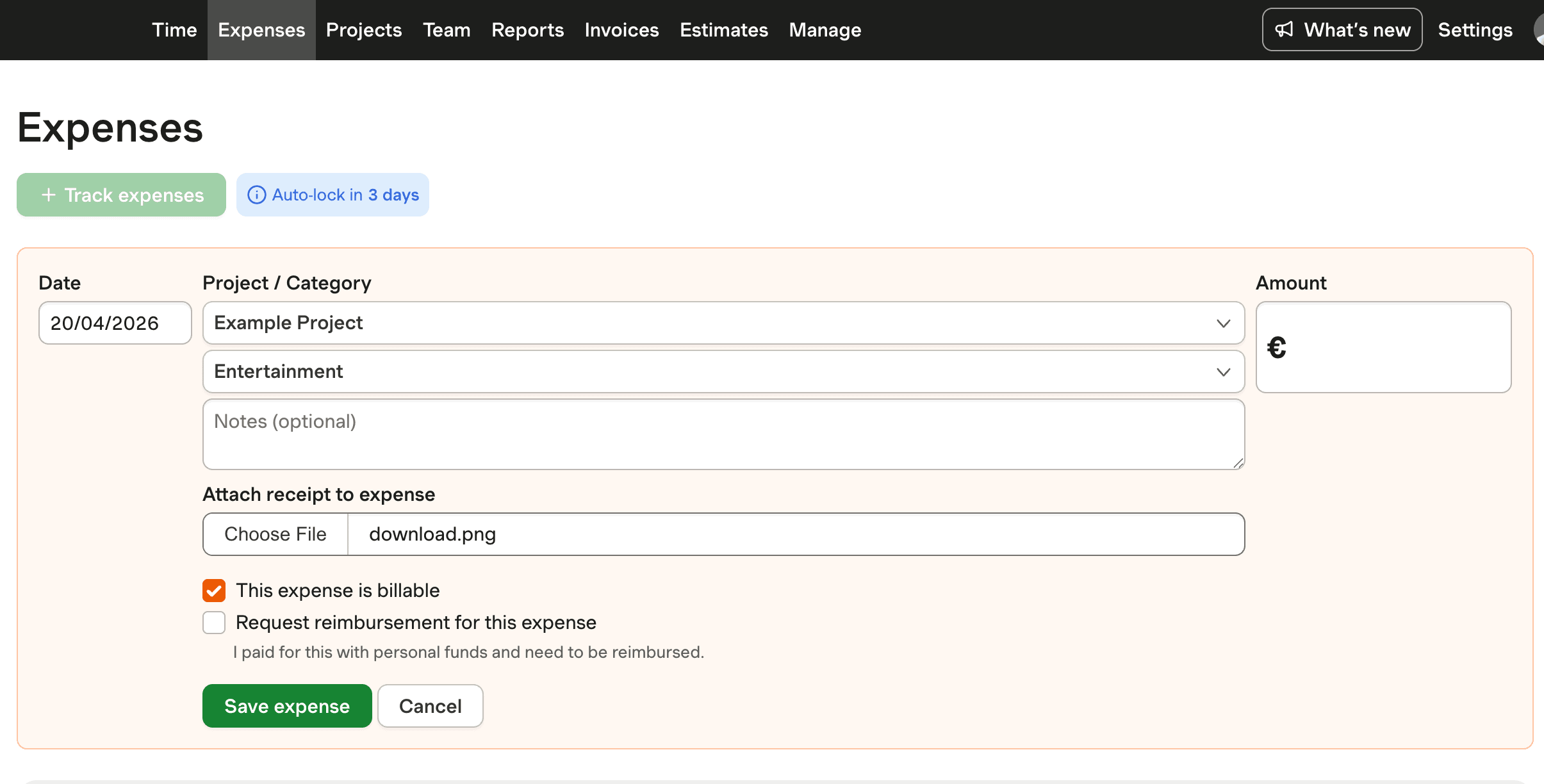
Harvest offers project-based expense tracking, allowing teams to track and invoice expenses accurately, even as reimbursement needs evolve with remote work.

EXPENSE REPORT DRAFT

Drop your receipts here or click to upload

Images and PDFs (max 10 MB each)

Date
Category
Merchant
Description
Amount
Total
$0.00

Customise report

Appearance

Show report title

Report settings

Understanding Employee Reimbursements with Gusto

Employee reimbursements are a crucial component of financial management, enabling employers to repay workers for expenses incurred during job duties. This process is essential for maintaining financial transparency and employee satisfaction. In recent years, there has been a shift from manual to digital and automated processes. Manual reimbursement methods can lead to errors such as 10-15% mileage inflation. Automating these processes not only increases accuracy but also enhances productivity and cost savings.

Organizations are increasingly adopting automated systems to streamline reimbursements. For instance, many companies have addressed the challenge of delayed reimbursements by implementing automated approval systems, enabling payouts within 5-7 business days. This shift is crucial as the rise of remote work has introduced new reimbursable categories like internet stipends and home office equipment, affecting over 27.6 million remote workers in the US alone.
Legal and Compliance Considerations for Reimbursements

Compliance with legal and tax regulations is paramount in reimbursement management. In the US, the Fair Labor Standards Act (FLSA) mandates reimbursing employees when expenses lower their earnings below the federal minimum wage. Furthermore, 12 states require reimbursement for all necessary business expenses, with California's Labor Code Section 2802 being particularly comprehensive.

Globally, reimbursement practices vary. The UK requires employers to repay employees for expenses incurred necessarily in job duties, while in Canada, federally regulated employers must reimburse reasonable work-related expenses within 30 days. Failing to comply can lead to significant penalties, such as fines ranging from $500 to $6,000 in Canada, emphasizing the need for organizations to stay updated on regulations.

Automating Expense Management with Harvest

While Harvest does not offer dedicated reimbursement workflows like Gusto, it excels in project-based expense tracking. Harvest allows teams to track and invoice expenses alongside time, ensuring accurate financial records. This feature is particularly beneficial for businesses seeking to integrate expense tracking with project management.

Harvest's approach to expense tracking involves categorizing expenses by date, project, and category, which simplifies the process of managing project budgets and client invoicing. By using Harvest, businesses can gain better visibility into their financial data, assisting in strategic decision-making and enhancing overall financial control.

Challenges and Solutions in Reimbursement Management

One of the common challenges in reimbursement management is policy non-compliance, often resulting in overspending and financial risk. Organizations can mitigate this by employing automated systems that flag out-of-policy expenses and by communicating policies effectively through employee handbooks and training sessions.

Another issue is the reliance on manual processes, leading to inaccuracies and inefficiencies. By automating mileage and expense tracking, companies can reduce mileage inflation by 10-15% and improve overall efficiency. Implementing clear policies and timely reimbursement practices further enhances employee satisfaction and trust.

Streamline Reimbursements with Harvest

Explore how Harvest's expense tracking features can help manage reimbursements effectively, integrating with project management.

Harvest dashboard showing expense tracking features for reimbursements

Gusto Reimbursements FAQs

  • To submit a reimbursement request in Gusto, employees typically log into their account and navigate to the expense section to upload receipts and enter details. This process may vary slightly depending on company-specific configurations within Gusto's platform.

  • Administrators in Gusto review submitted expense reports and approve them through the platform's dashboard. They ensure compliance with company policies before authorizing payments. The system may offer automated workflows to streamline this process.

  • Gusto allows companies to set specific reimbursement policies and limits based on their needs. These policies ensure that all expenses are consistent with company guidelines and budgetary constraints.

  • Gusto provides flexible reimbursement options for contractors, allowing them to submit expenses similarly to employees. This ensures contractors are promptly reimbursed for their business-related expenses, maintaining a smooth financial workflow.

  • Automating reimbursement processes reduces errors, enhances compliance, and improves efficiency. Automated systems streamline approval workflows, decrease processing time, and help enforce company policies, which can lead to significant cost savings.

  • Businesses can reduce reimbursement errors by adopting automated expense management systems. These systems minimize manual data entry and provide real-time policy checks, reducing the risk of errors and ensuring accurate reimbursement processing.

  • Clear reimbursement policies are crucial for preventing overspending and ensuring compliance. They provide guidelines on eligible expenses, documentation requirements, and submission deadlines, reducing confusion and enhancing financial transparency.

  • Remote work expenses have expanded the scope of reimbursable items to include internet stipends and home office equipment. Companies need to update their reimbursement policies to address these new categories, ensuring fair compensation for remote employees.