
Harvest
Expenses
Sign up

Telephone Reimbursement

Harvest offers a streamlined way to track telephone expenses, a critical component for businesses navigating reimbursement policies in today's mobile-centric work environment.

  • Attach receipts to projects & tasks
  • Turn tracked expenses into client invoices
  • Free 30-day trial, no credit card needed

or drag & drop • Images and PDFs, max 10 MB

Understanding Telephone Reimbursement: Key Trends and Practices

Telephone reimbursement practices have evolved in response to the increasing reliance on mobile technology and the rise of remote work. The global Bring Your Own Device (BYOD) market is currently valued at $110 billion and is expected to triple by 2030, reflecting a growing trend towards using personal devices for work. This shift has prompted companies to develop fair and compliant reimbursement policies.

While company-owned devices can cost approximately $1,674 per employee annually, BYOD policies with stipends reduce this cost to $893, making it 53.35% cheaper. The average reimbursement for mobile devices ranges from $30 to $50 per month, highlighting the cost-effectiveness of BYOD. Harvest facilitates the tracking of such expenses, allowing businesses to categorize phone-related costs efficiently.
Navigating Legal and Compliance Requirements for Reimbursements

Understanding the legal landscape is crucial for businesses implementing telephone reimbursement policies. In the U.S., states like California require employers to cover a "reasonable percentage" of an employee's phone bill if used for work, with rulings like Cochran v. Schwan's Home Service, Inc. setting significant precedents. While no federal law mandates reimbursement, the IRS considers business-related cell phone reimbursements non-taxable if they align with actual costs and business needs.

Internationally, rules vary: in the UK, reimbursements are taxable unless the phone contract is in the employer's name, while in Australia, phone expenses for work are classified as an 'expense payment fringe benefit' under Fringe Benefits Tax (FBT) regulations. Harvest aids in compliance by tracking expenses, ensuring that businesses can maintain accurate records of phone-related costs, although it does not manage specific legal requirements.

Best Practices for Effective Telephone Reimbursement Policies

Implementing a structured telephone reimbursement policy is essential for managing costs and maintaining compliance. Experts recommend defining eligibility criteria, such as job roles and business needs, and choosing between flat stipends or usage-based reimbursements. Documenting these practices in a written policy helps prevent disputes and ensures compliance with tax and labor regulations.

Integrating an expense management system like Harvest can streamline reimbursement processes. Harvest's platform enables tracking and categorization of telephone expenses, ensuring that businesses can efficiently document costs and adhere to policy requirements. While Harvest does not manage reimbursement policy details, it provides a robust framework for tracking expenses and supporting financial planning.

Managing Telephone Reimbursements in the Era of Remote Work

The shift to remote work has increased the complexity of telephone reimbursement policies. Many businesses now offer stipends to cover phone costs, with an average allocation of $857 for all remote work expenses. Industries with high levels of client interaction, such as sales, often see higher reimbursement rates due to frequent business calls.

Harvest supports businesses in adapting to these changes by providing tools to categorize and track expenses related to remote work. While it does not directly manage telephone reimbursement policy adjustments, Harvest's tracking capabilities ensure that businesses can monitor and manage phone-related costs effectively, helping to maintain clear financial records.

Telephone Reimbursement with Harvest

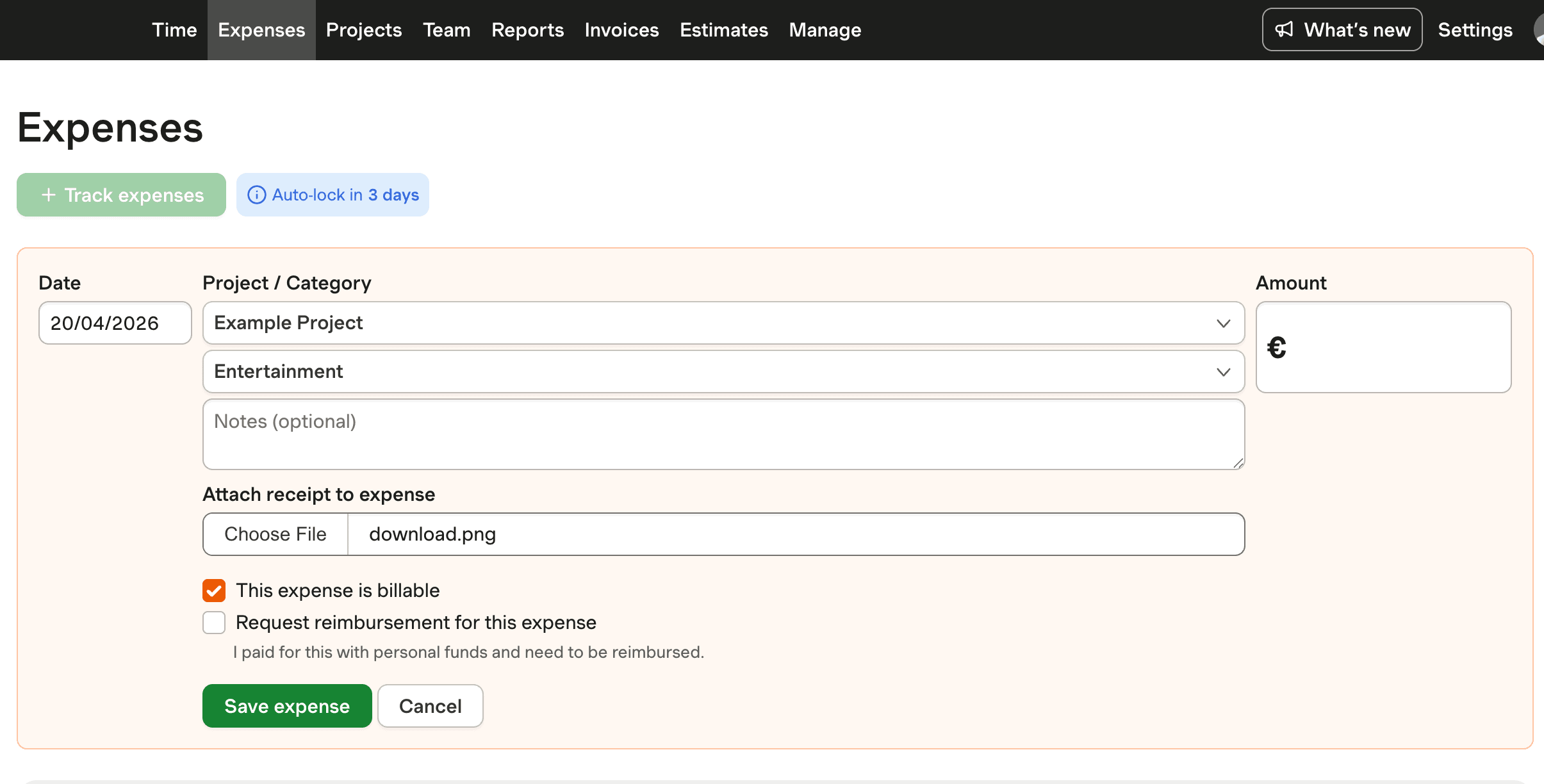
See how Harvest helps categorize and track telephone expenses, supporting efficient reimbursement management.

Harvest expense tracking feature for telephone reimbursement

Telephone Reimbursement FAQs

  • Legal requirements for telephone reimbursement vary by region. In the U.S., states like California mandate reimbursement for work-related phone use. International rules differ, such as the UK treating reimbursements as taxable unless the phone is employer-owned. Harvest tracks expenses but does not manage legal specifics.

  • Businesses should document reimbursement claims through written policies outlining eligibility, reimbursement methods, and required documentation. Using an expense tracking system like Harvest can facilitate organized record-keeping and policy adherence.

  • In the U.S., reimbursed phone expenses can be non-taxable if they meet IRS guidelines. Internationally, tax treatments vary; for example, UK reimbursements are taxable unless the phone is employer-owned. Harvest tracks expenses but does not handle tax compliance.

  • Remote work has increased the need for telephone reimbursements, with many businesses offering stipends for phone costs. Industries with high client interaction often see higher reimbursements. Harvest helps track these expenses for better management.

  • Best practices include defining eligibility, choosing a reimbursement method, and maintaining a clear written policy. Integrating a system like Harvest for tracking expenses can streamline processes and ensure compliance.

  • Harvest allows businesses to categorize and track telephone expenses effectively, supporting reimbursement management. While it doesn't manage policy specifics, its tracking capabilities aid in maintaining accurate financial records.

  • The average monthly reimbursement for employee mobile phone use ranges from $30 to $50, with an annual cost of around $482. Businesses often choose flat stipends for simplicity.