
Harvest
Expenses
Sign up

Independent Contractor Mileage Reimbursement

For independent contractors seeking mileage reimbursement, Harvest offers a simple way to track and calculate mileage expenses, ensuring accurate and compliant records.

  • Attach receipts to projects & tasks
  • Turn tracked expenses into client invoices
  • Free 30-day trial, no credit card needed

or drag & drop • Images and PDFs, max 10 MB

Understanding IRS Mileage Reimbursement Rates

The IRS standard mileage rate for business use is a crucial factor for independent contractors seeking reimbursement. In recent years, the rate has increased due to rising vehicle operating costs, reaching 72.5 cents per mile in 2026, up from 70 cents in 2025 and 67 cents in 2024. This rate helps contractors calculate their deductible expenses accurately, ensuring compliance and optimizing tax deductions.

However, while the IRS provides a framework, independent contractors must ensure they're tracking mileage accurately to avoid inflated claims, which can range from 10% to 15% over actual miles driven. Using automated solutions like Harvest can mitigate these inaccuracies by allowing contractors to manually enter and track mileage efficiently. This feature ensures that mileage is recorded correctly, supporting audit-ready documentation.
Documenting Mileage for Tax Compliance

Accurate documentation is essential for independent contractors to ensure that mileage reimbursements are non-taxable under IRS guidelines. Required records include the date, total miles driven, odometer readings, destination, and business purpose of each trip. Contractors must maintain these logs for at least three years as part of their tax records.

Harvest facilitates this process by enabling contractors to track mileage as a specific expense category with a per-mile rate. While Harvest does not generate IRS-specific documentation, it simplifies the recording and calculation processes, ensuring contractors have the essential data needed for compliance. This streamlined tracking helps avoid potential tax issues and penalties associated with inaccurate mileage logs.

Automated Solutions for Mileage Tracking

With manual mileage tracking contributing to significant errors and inefficiencies, automated solutions have become increasingly popular among independent contractors. These systems can save over 4,000 hours annually across just 100 employees by eliminating the tedious manual entry process. Automated tracking also reduces the risk of intentional or accidental misclassification of trips, which can lead to inflated expenses.

While Harvest does not offer automated mileage tracking, it allows contractors to manually enter and categorize mileage expenses effectively. This capability, combined with Harvest’s integration with other business processes, supports accurate expense reporting and improved financial accountability. By integrating Harvest with accounting and payroll software, contractors can streamline reimbursement workflows, ensuring faster processing and precise cost allocation.

Avoiding Common Mistakes in Mileage Reimbursement

Common pitfalls in mileage reimbursement can lead to compliance issues and financial losses for independent contractors. Manual reporting often results in inflated mileage, wasted time, and potential compliance challenges. Additionally, using outdated IRS rates or mixing personal and business mileage can complicate tax filings and audit trails.

To address these issues, independent contractors should leverage tools like Harvest to track mileage expenses. Harvest provides a structured approach to record keeping, allowing contractors to separate personal and business mileage effectively. By adopting a consistent reimbursement method, such as the IRS standard mileage rate, contractors can minimize errors and ensure their reimbursement claims are both accurate and compliant.

Track Mileage with Harvest

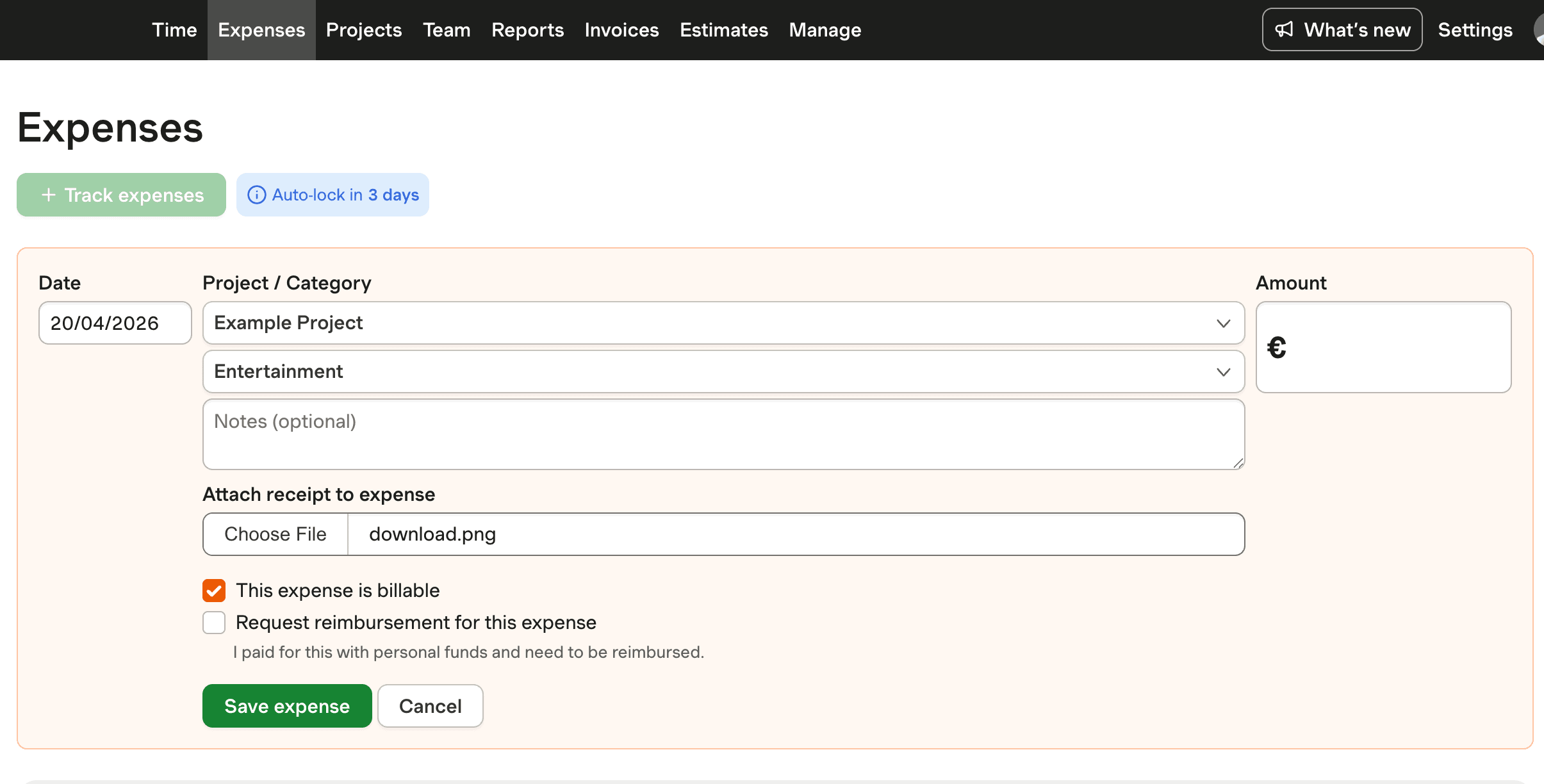
Harvest provides tools for independent contractors to track and manage mileage reimbursement efficiently and accurately.

Harvest interface showing mileage reimbursement tracking for independent contractors.

Independent Contractor Mileage Reimbursement FAQs

  • The IRS standard mileage rate for business use has increased to 72.5 cents per mile in 2026. This rate is used by independent contractors to calculate deductible expenses accurately, reflecting the rising costs of vehicle operations.

  • To ensure non-taxable mileage reimbursements, independent contractors must maintain detailed records including the date, total miles, odometer readings, destination, and business purpose of each trip. These logs should be kept for at least three years.

  • Harvest allows independent contractors to track mileage by creating an expense category with a per-mile rate. This makes it easy to calculate totals and maintain accurate records, although it does not provide IRS-specific documentation.

  • Mileage reimbursements can be non-taxable if handled correctly. Contractors must ensure their reimbursements meet IRS conditions under an accountable plan to avoid them being considered taxable income.

  • Automated mileage tracking solutions eliminate manual entry errors, reduce administrative burden, and provide accurate, audit-ready records. This can save significant time and prevent inflated claims, which often occur with manual tracking methods.

  • To avoid mistakes, contractors should use tools like Harvest for structured tracking, ensuring accurate separation of personal and business mileage. Regularly updating to current IRS rates and avoiding manual reporting are also key best practices.

  • Independent contractors need to follow IRS guidelines for record-keeping, ensuring all mileage logs are complete with necessary details and retained for at least three years to prevent issues during audits.