
Harvest
Expenses
Sign up

Transit Reimbursement

Harvest offers a comprehensive solution for managing time tracking, invoicing, and expense management, empowering teams to streamline their operations efficiently.

  • Attach receipts to projects & tasks
  • Turn tracked expenses into client invoices
  • Free 30-day trial, no credit card needed

or drag & drop • Images and PDFs, max 10 MB

Understanding Transit Reimbursement Programs

Transit reimbursement programs provide employees with significant savings by allowing the use of pre-tax dollars for commuting expenses, typically resulting in a 30-40% cost reduction. For instance, an employee setting aside $100 monthly for transit can save approximately $30 each month, totaling $360 annually. These programs are a crucial part of commuter benefits, which have evolved to support hybrid work models. Employers also benefit, saving an average of 7.65% on payroll taxes for each participating employee, potentially reducing annual FICA taxes by $9,180 for a company with 100 participants.

Despite these benefits, awareness and adoption remain challenges. In 2023, only 41% of employers provided new hires with commuting information, and just 26% held educational sessions. Addressing this gap can significantly boost engagement; some organizations have seen enrollment rates as high as 92% after offering fully subsidized transit passes. Clearly communicating the available benefits and eligibility criteria can greatly enhance participation and employee satisfaction.
Eligibility and Compliance for Transit Reimbursement

Eligibility for transit reimbursement often hinges on factors like minimum work hours and employment duration. For example, some programs require employees to work at least 20-35 hours per week or have been employed for a minimum of 4-12 months. Employers must clearly communicate these criteria to facilitate participation. Additionally, compliance with federal and local regulations is crucial. The IRS Section 132(f) permits tax-free Qualified Transportation Fringe benefits, with 2026 limits set at $340 monthly for transit and parking expenses.

Employers in certain areas must adhere to local mandates. For instance, New York City requires employers with 20 or more full-time employees to offer pre-tax transit benefits, with penalties for non-compliance. Similarly, New Jersey, Washington D.C., and parts of Illinois and California have specific requirements. Maintaining compliance not only avoids penalties but also maximizes the financial benefits for both employers and employees.

Maximizing the Benefits of Transit Reimbursement

To maximize the advantages of transit reimbursement programs, employers should consider a diverse array of options such as pre-tax payroll deductions, employer-paid subsidies, and direct transit pass provision. This flexibility caters to various employee needs and commuting patterns, especially in hybrid work environments where traditional monthly passes may be underutilized. Offering personalized programs that accommodate multimodal travel can significantly enhance employee satisfaction and retention.

Moreover, aligning transit reimbursement strategies with corporate sustainability goals can further incentivize participation. Encouraging lower-carbon commuting options like public transit, carpooling, and cycling not only supports environmental objectives but also resonates with employee values. By integrating these practices, organizations can foster a culture of sustainability and enhance their employer brand.

Streamline Transit Reimbursement with Harvest

Harvest simplifies the management of transit reimbursements, ensuring compliance and optimal savings for your business.

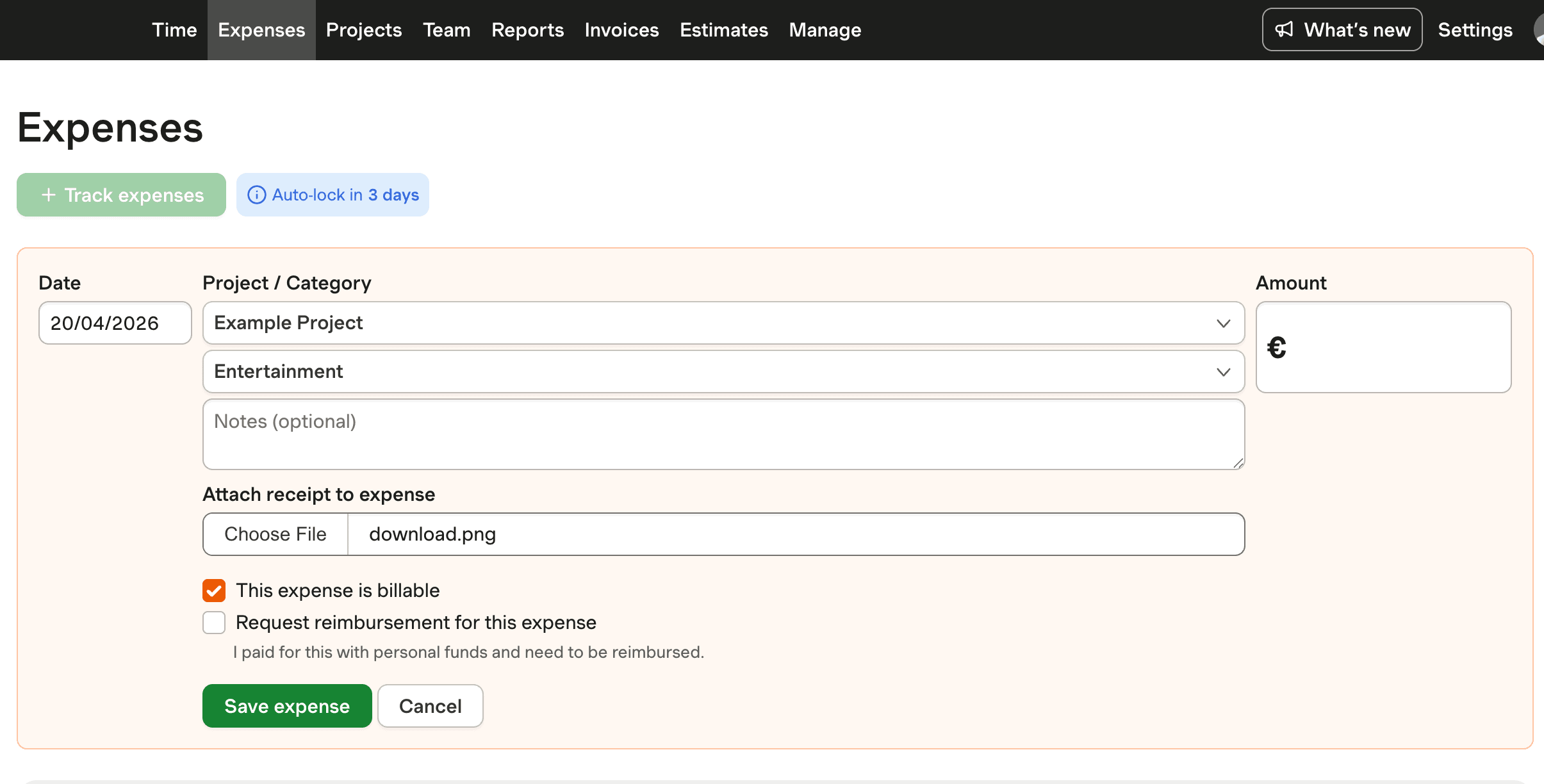
Screenshot of Harvest's transit reimbursement management feature.

Transit Reimbursement FAQs

  • Employees can save 30-40% on commuting costs through pre-tax transit benefits. For example, setting aside $100 monthly for transit can save about $30 each month, totaling $360 annually.

  • Eligibility often includes working a minimum of 20-35 hours per week or a specific employment duration, such as 4-12 months. Employers must clearly communicate these criteria to employees.

  • Forms required for transit reimbursement can vary by employer and location. Typically, employees need to submit proof of eligible expenses, often facilitated through employer-provided platforms.

  • Employers save an average of 7.65% on payroll taxes for each participating employee, potentially reducing annual FICA taxes by $9,180 for 100 employees using transit benefits.

  • Deadlines for submitting transit reimbursement claims vary by program. Employees should check with their HR department for specific timelines to ensure timely processing.

  • Covered expenses often include public transit fares, vanpooling, and parking fees. Employers may offer flexible options to accommodate diverse commuting patterns and needs.

  • Harvest provides robust tools for tracking expenses, including transit reimbursements, helping businesses streamline and manage their expense reporting efficiently.