
Harvest
Expenses
Sign up

Triplog Mileage

For businesses seeking precise mileage tracking, Harvest provides manual entry solutions with detailed expense reporting, ensuring compliance and efficiency.

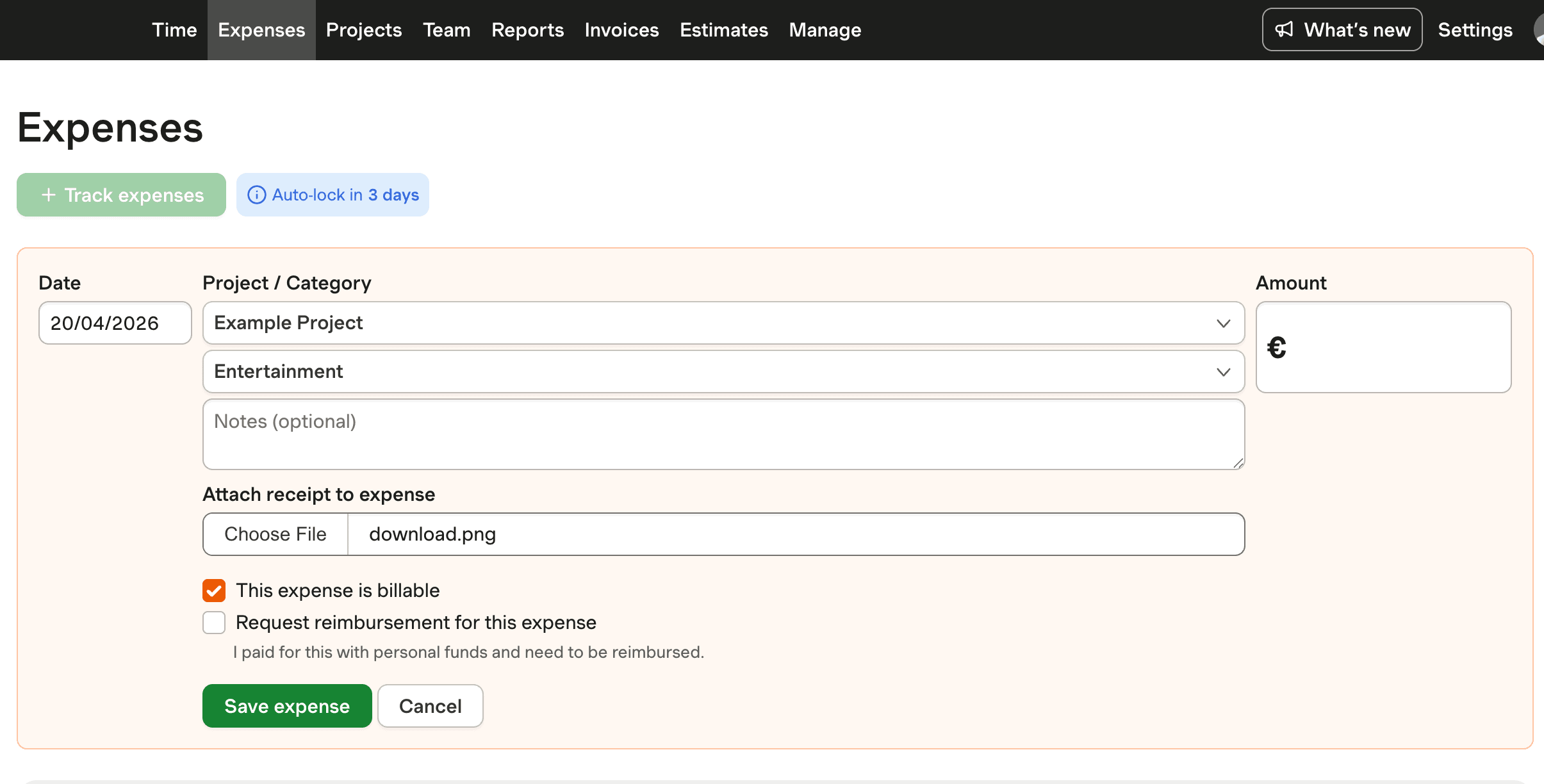
  • Attach receipts to projects & tasks
  • Turn tracked expenses into client invoices
  • Free 30-day trial, no credit card needed

or drag & drop • Images and PDFs, max 10 MB

The Importance of Accurate Mileage Tracking

Accurate mileage tracking is essential for managing business expenses efficiently and ensuring compliance with tax regulations. With the IRS standard mileage rate set at 72.5 cents per mile for business travel in 2026, the potential for significant savings is substantial. However, traditional manual tracking methods are prone to errors, with studies indicating that 88% of spreadsheets contain inaccuracies, potentially leading to incorrect reimbursements and tax deductions.

For businesses, these errors can translate into substantial financial risks and lost time. Automated mileage tracking solutions have emerged as a critical tool, saving over 4,000 hours annually across 100 employees by minimizing manual data entry. While Harvest does not offer automatic trip detection, it provides comprehensive tools for manual mileage entry and detailed expense reporting, ensuring accurate tracking and effective management of business travel expenses.
Streamlining Expense Management with Harvest

Managing expenses across multiple employees can be a daunting task, but Harvest simplifies this process through centralized management features. Harvest allows businesses to maintain detailed records of employee mileage and expenses, making it easier to generate annual reports for tax deductions. This centralized approach not only enhances oversight but also ensures compliance with regulatory requirements, such as the IRS stipulations for mileage logs.

While Harvest requires manual entry of mileage data, its robust reporting capabilities make it an ideal choice for small businesses focusing on project-based expense management. By exporting detailed reports, businesses can effectively track expenses and optimize their financial strategies, ensuring every mile driven is accounted for accurately.

Manual Mileage Tracking and Reporting with Harvest

Manual mileage tracking remains a viable option for businesses and individuals who prefer precision over automation. Although Harvest does not support automatic trip detection, it offers a reliable platform for manually entering mileage quantities, which is crucial for maintaining accurate and compliant mileage logs.

Businesses can set unit prices for mileage, allowing them to manage reimbursement rates effectively, though Harvest does not support custom reimbursement policies. By focusing on manual entry and detailed reporting, Harvest provides a straightforward solution for businesses needing accurate tracking without the complexities of automated systems.

Integrating Harvest with Accounting Tools

Effective expense management often requires seamless integration with accounting tools to streamline financial workflows. Harvest integrates with QuickBooks and Xero, enabling businesses to sync invoices and maintain consistency across financial platforms. This integration facilitates real-time tracking and reporting, enhancing financial accountability.

While Harvest does not directly integrate with payroll tools or offer smart trip classification, its capabilities in expense management and accounting integration make it a powerful tool for businesses aiming to maintain accurate financial records. By leveraging these integrations, companies can ensure that their expense tracking is both efficient and compliant with industry standards.

Maximizing Tax Deductions with Harvest

Maximizing tax deductions is a priority for businesses and freelancers alike, and accurate mileage tracking is key. With Harvest, users can generate detailed expense reports that are easily exportable for tax deduction purposes, ensuring compliance with IRS requirements.

Despite the need for manual entry, Harvest's reporting features allow users to categorize expenses effectively, supporting the differentiation between business and personal mileage. By maintaining precise records, users can maximize their tax deductions, avoiding the pitfalls of inaccurate or incomplete mileage logs.

Streamline Mileage Tracking with Harvest

Harvest offers manual mileage tracking with detailed expense reporting, perfect for small businesses managing travel expenses.

Harvest manual mileage tracking interface for business expenses.

Triplog Mileage FAQs

  • Digital mileage trackers enhance efficiency by automating trip recording through GPS technology, reducing manual input and errors. Businesses using these tools have reported saving over 4,000 hours annually across 100 employees, reallocating time to higher-value tasks.

  • Accurate mileage tracking is crucial for maximizing tax deductions. The IRS mandates detailed logs to qualify for deductions, with the standard mileage rate set at 72.5 cents per mile for 2026. Inaccurate logs can lead to disallowed deductions and penalties.

  • Harvest integrates with QuickBooks and Xero, allowing for seamless invoice syncing and consistent financial tracking across platforms. This integration supports real-time expense management and accurate financial reporting.

  • A mileage log should include the date of the journey, the start and end locations, the business purpose, and the total miles driven. The IRS recommends maintaining these records for at least three years, with many professionals advising up to seven years for added protection.

  • Manual entry allows for precise control over data, reducing the risk of errors commonly associated with automatic systems. Harvest's manual tracking ensures that every mile is accurately accounted for, supporting compliance and effective expense management.

  • The IRS standard mileage rate for business travel is set at 72.5 cents per mile for 2026. This rate is crucial for calculating tax deductions on business travel, making accurate mileage tracking essential for compliance and financial optimization.

  • While Harvest requires manual categorization of expenses, it offers robust reporting tools that help businesses differentiate between business and personal expenses, ensuring accurate tracking and maximizing potential tax deductions.