
Harvest
タイムトラッキング
無料で始める

Time Tracking in Urdu

Harvest simplifies time tracking with one-click start/stop timers, perfect for teams and freelancers managing billable hours.

Try Harvest Free

今週は何時間働きましたか?

各日の出勤・退勤時刻を入力してください。休憩、残業、週合計は自動で計算します。

曜日 出勤 退勤 休憩 時間
今週の合計時間 0時間
所定内(40時間以内) 0時間
残業時間 0時間
1日あたりの平均 0時間
休憩の合計 0時間

Harvestで時間を自動記録

以下のフロー全体をご覧ください。タイマーを開始し、レポートを確認し、実際の請求書を作成 — すべてわずか3クリック。

さあ、時間記録を始めましょう!

ワンクリックでタイマーが開始します。ここで試してみてください:タイマーを開始し、エントリーを追加し、詳細を編集。Harvestの操作感そのものです。

  • ブラウザ、デスクトップ、モバイルからワンクリックタイマー
  • Jira、Asana、Trello、GitHub、その他50以上のツール内で動作
  • 時間の長さまたは開始/終了 — お好みで
  • 日、週、カレンダー表示ですべてを把握
  • 優しいリマインダーで記録漏れを防止
Acme Corp
Website Redesign
Homepage layout revisions
1:24:09
Content Strategy
Blog calendar planning
1:30:00
SEO Audit
Technical audit report
0:45:00
Brand Guidelines
Color system documentation
2:15:00
Logo Concepts
Initial sketches round 1
1:00:00

Understanding the Basics: Essential Urdu Time Vocabulary

To effectively track time in Urdu, it's crucial to master key vocabulary and numbers. The word for "time" is وقت (waqt), while "hour" is گھنٹہ (ghanta), and "minute" is منٹ (minute). For expressing "o'clock," use بجے (baje). Understanding numbers from one to twelve is foundational, as they form the basis of time expressions: ایک (ek - one), دو (do - two), تین (teen - three), and so on up to بارہ (barah - twelve).

In addition, knowing time markers like سوا (sawa - quarter past), ساڑھے (sāṛhay - half past), and پونے (ponay - quarter to) is essential. For example, "quarter past four" is سوا چار بجے (sawa chaar baje), and "half past six" is ساڑھے چھ بجے (sārhay chay baje).
Asking for and Stating the Time in Urdu

To ask "What time is it?" in Urdu, the phrases وقت کیا ہوا ہے؟ (waqt kia hua hai?) and کتنے بجے ہیں؟ (kitne baje hain?) are commonly used. When replying, use the number followed by بجے (baje) to state the hour. For instance, تین بجے (teen baje) means "three o'clock."

To express minutes past an hour, structure the sentence as [Hour] بج کر [Minutes] منٹ ہوئے ہیں (huay hain). For example, "ten minutes past three" is تین بج کر دس منٹ ہوئے ہیں (teen baj kar das minute huay hain). Understanding how to use سوا (sawa), ساڑھے (sāṛhay), and پونے (ponay) will help you articulate quarter and half hours accurately.

Navigating AM/PM: Time of Day References

In Urdu, time of day references replace the traditional AM/PM format. For morning hours, use صبح (subah); for afternoon, دوپہر (dopehar); for evening, شام (shaam); and for night, رات (raat). This helps clarify whether a time is in the morning (e.g., سات بجے صبح - saat baje subah for 7 AM) or evening (e.g., سات بجے شام - saat baje shaam for 7 PM).

These terms provide context, especially in casual conversations, where the 12-hour clock is more prevalent. This cultural nuance ensures that time is communicated clearly and politely, reflecting the importance of time in Urdu-speaking regions.

Cultural Context and Practical Tips for Learners

In Urdu-speaking cultures, the 12-hour clock is commonly used. Phrases like وقت ایک دولت ہے (waqt aik dolat hai - Time is money) underscore the importance placed on time. Understanding these cultural nuances is key to mastering time expressions in Urdu.

When addressing others, politeness is paramount. Use آپ (aap) for "you" in formal settings. Consistent practice, such as using time expressions in daily routines and engaging with native speakers, will enhance proficiency. Additionally, learning time-related proverbs can enrich your understanding of the cultural significance of time.

Time Tracking in Urdu with Harvest

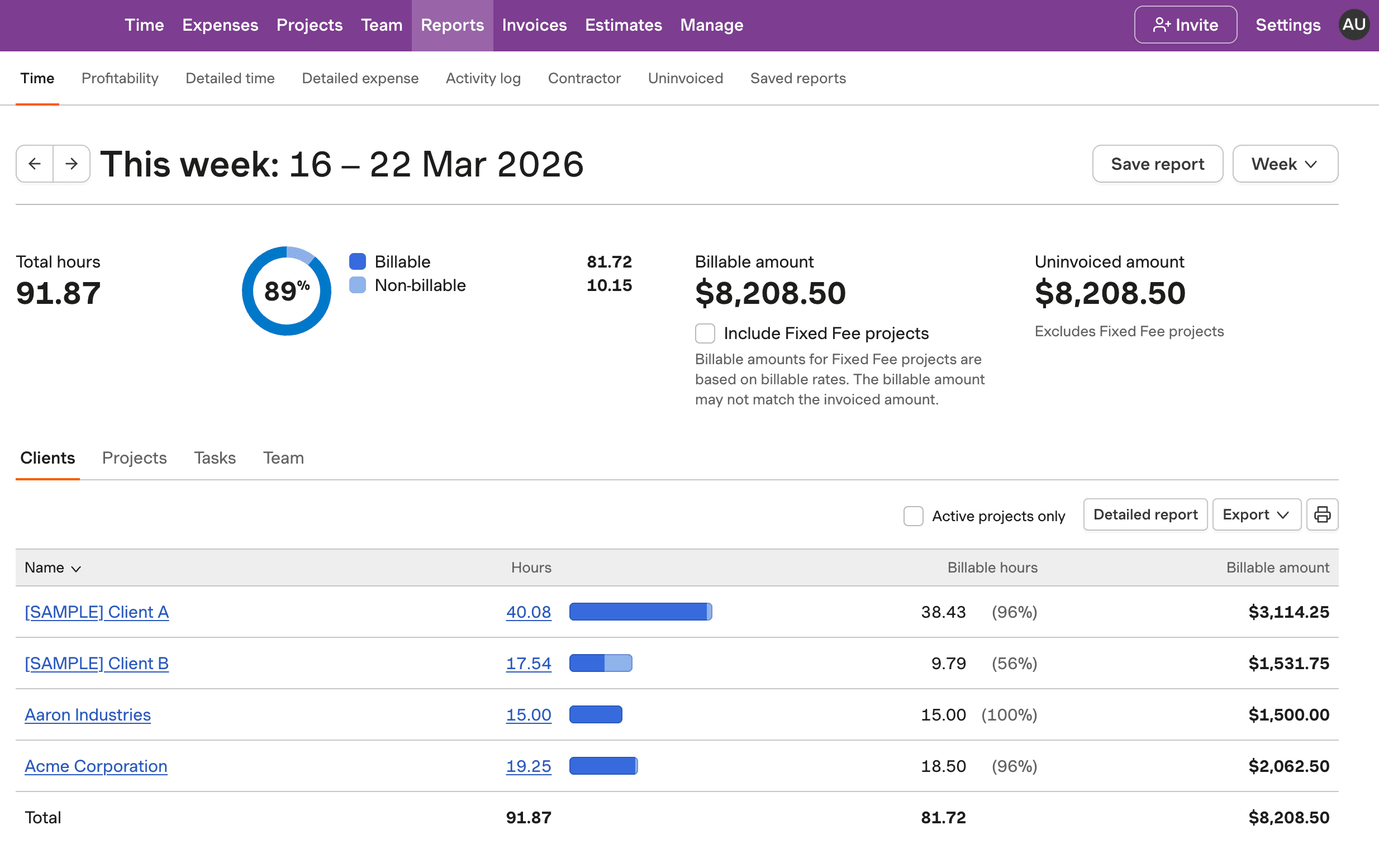
Explore how Harvest aids in tracking time with an interface adaptable to various languages, including Urdu.

Screenshot of Harvest showing time tracking interface with Urdu context.

Time Tracking in Urdu FAQs

  • To ask "What time is it?" in Urdu, use the phrases وقت کیا ہوا ہے? (waqt kia hua hai?) or کتنے بجے ہیں؟ (kitne baje hain?). These are common and polite ways to inquire about the time.

  • Key phrases include using بجے (baje) for "o'clock" and terms like سوا (sawa) for "quarter past," ساڑھے (sāṛhay) for "half past," and پونے (ponay) for "quarter to."

  • Express times using صبح (subah) for AM, دوپہر (dopehar) for noon, شام (shaam) for PM, and رات (raat) for night. For example, 7 AM is سات بجے صبح (saat baje subah).

  • Yes, Urdu speakers use the 12-hour clock and rely on terms like صبح (subah) and شام (shaam) to clarify AM/PM. Politeness is also important in addressing others.

  • The 12-hour clock is standard in Urdu for daily conversation, using terms like صبح (subah) for morning. The 24-hour format is less common in casual speech.

  • Practice with daily routines, use visual aids like clocks with Urdu numerals, and engage in conversation with native speakers to enhance your skills.

  • Learning numbers from one to twelve in Urdu is essential for time expressions, as they form the foundation for stating hours and formulating sentences.