
Harvest
Expenses
Sign up

Daily Mileage Log Sheet

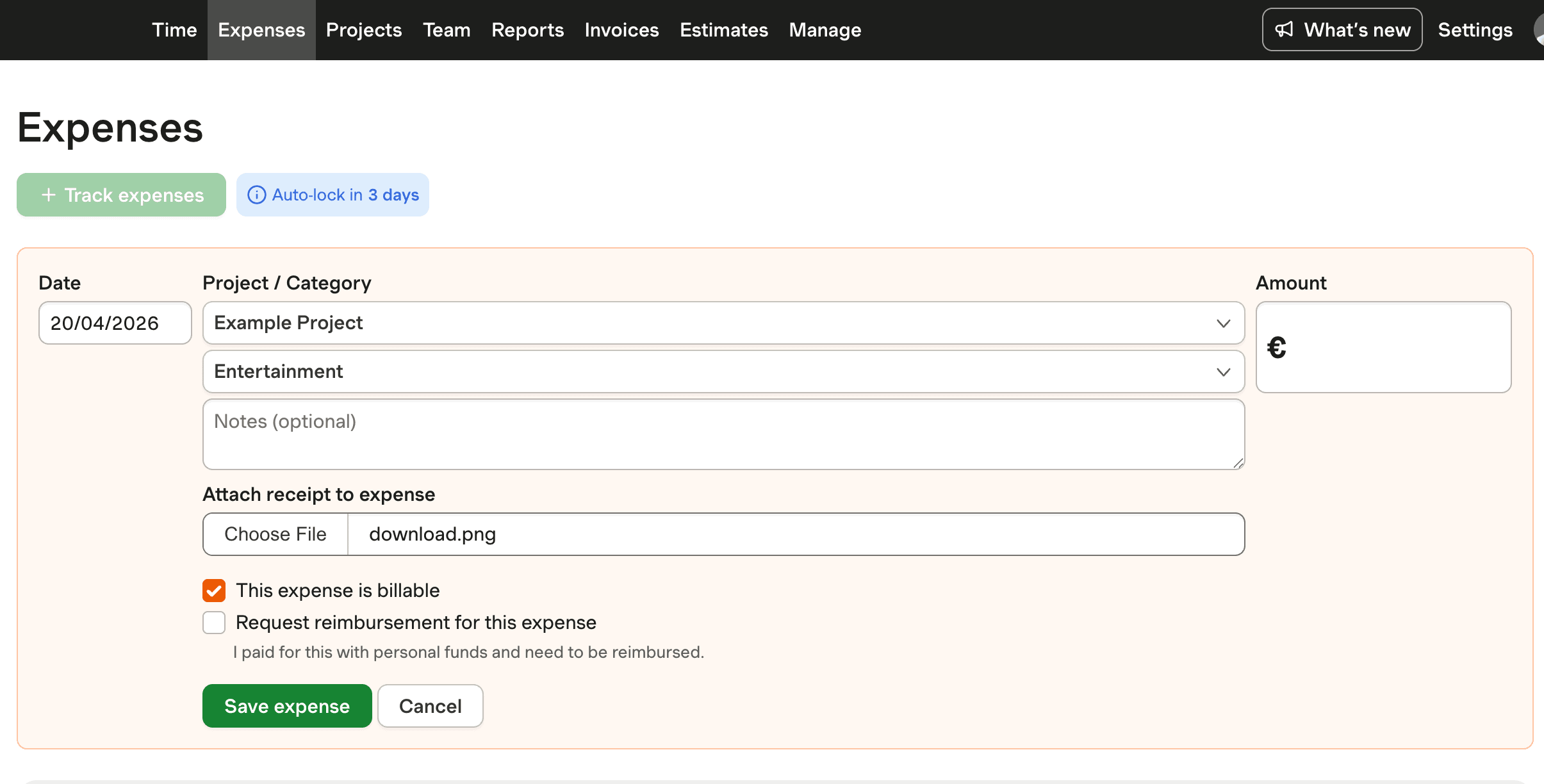
Harvest simplifies project-based expense tracking by allowing manual mileage entry, helping businesses manage costs without automated compliance tools.

  • Attach receipts to projects & tasks
  • Turn tracked expenses into client invoices
  • Free 30-day trial, no credit card needed

or drag & drop • Images and PDFs, max 10 MB

Understanding IRS Requirements for Mileage Logs

To ensure compliance with IRS regulations, a mileage log must include specific details such as the date of each trip, the destination, the business purpose, and the total miles driven. These logs serve as crucial evidence for mileage deductions and are subject to IRS scrutiny. Failing to maintain accurate and detailed records can lead to disallowed deductions and penalties. The IRS requires "contemporaneous recordkeeping," meaning mileage should be logged at or near the time of the trip to strengthen audit defensibility.

Harvest offers a straightforward solution for project-based expense tracking, allowing users to manually enter mileage data. By categorizing mileage expenses, Harvest assists in keeping track of costs associated with different projects, helping businesses manage finances efficiently without automated mileage compliance tracking.
Manual vs. Automated Mileage Tracking: Pros and Cons

Manual mileage tracking, while traditional, poses challenges such as being time-consuming and error-prone. It requires consistent logging of odometer readings and trip details, often leading to errors due to estimations or forgotten entries. Despite these drawbacks, manual logs can still be effective when maintained diligently, especially for small-scale operations or individual project tracking.

In contrast, automated systems offer significant advantages by reducing manual input and eliminating errors through real-time, GPS-based tracking. These systems can save an average of 42 hours annually in administrative tasks, providing drivers with more time for productive activities. However, Harvest focuses on manual entry for mileage, making it suitable for users who prefer manual data control without the complexities of automated systems.

Practical Tips for Effective Mileage Logging

Keeping a comprehensive mileage log is crucial to maximize tax deductions and ensure reimbursement accuracy. Start by recording the date, purpose, destination, and mileage of each trip. Consider using a standardized log template to maintain consistency and comply with IRS standards. Regularly review and sum up entries to identify any discrepancies early on.

For businesses using Harvest, it's recommended to manually enter mileage data promptly to avoid lapses in recordkeeping. While Harvest does not automate mileage tracking, its categorization features help organize expenses by project, providing a clear financial overview. By integrating mileage data with other business systems, users can streamline processes and maintain accurate financial records.

Leveraging Mileage Data for Business Insights

Mileage data extends beyond mere tax deductions, offering valuable insights into operational efficiency and profitability. Businesses can analyze mileage expenses to compare the cost-effectiveness of projects, optimize travel routes, and plan strategically. This data is essential for proactive financial management and tax planning, offering a clearer picture of business operations year-round.

Harvest facilitates this by allowing users to categorize and analyze mileage costs within broader project expenses. While it does not automate tracking, the manual entry system enables businesses to customize their data collection to suit specific project needs, aiding in detailed financial analysis.

Finding the Right Mileage Log Solution

When selecting a mileage log solution, consider factors such as compliance needs, ease of use, and integration capabilities. Automated tracking systems offer high accuracy and reduced administrative burdens but may be more complex and costly. For businesses focusing on project-based tracking, Harvest provides a cost-effective alternative with manual mileage entry and expense categorization.

While Harvest does not fulfill IRS-specific log requirements automatically, it supports basic mileage tracking needs tailored to project management. This makes it an ideal choice for teams and freelancers who prefer manual control over their expense data without the need for comprehensive automated solutions.

Harness Mileage Tracking with Harvest

Discover how Harvest allows manual mileage entry for effective project expense management, ideal for businesses needing non-automated solutions.

Screenshot of Harvest's mileage tracking feature for project expenses.

Daily Mileage Log Sheet FAQs

  • The IRS requires mileage logs to include the date, destination, business purpose, and total miles driven for each trip. Logs should be kept contemporaneously, i.e., at or near the time of the trip.

  • To fill out a daily mileage log sheet, record the date, starting and ending odometer readings, the purpose of the trip, and the total miles driven. Ensure all entries are accurate and up-to-date to comply with IRS standards.

  • Harvest allows users to manually enter mileage data, which is ideal for project-based expense tracking. It provides a method to categorize expenses, enhancing financial management.

  • Automated mileage tracking saves time by reducing manual entry and minimizing errors. It often includes GPS tracking for real-time data capture, resulting in more accurate and compliant records.

  • Mileage data provides insights into travel costs, helping businesses optimize routes and plan strategically. This data is crucial for understanding profitability and making informed financial decisions.

  • Contemporaneous recordkeeping involves logging mileage at or near the time of the trip, which strengthens the defensibility of records during an IRS audit and reduces the risk of disallowed deductions.

  • The IRS standard mileage rate varies annually. For example, it was 65.5 cents per mile in 2023 and is set to be 72.5 cents per mile in 2026, reflecting changes in fuel prices and inflation.