
Harvest
Expenses
Sign up

Fuel Allowance for Employees

Rising fuel costs impact employee expenses. Harvest helps businesses manage mileage reimbursements with customizable per-mile rates, ensuring fairness.

EXPENSE REPORT DRAFT

Drop your receipts here or click to upload

Images and PDFs (max 10 MB each)

Date
Category
Merchant
Description
Amount
Total
$0.00

Customise report

Appearance

Show report title

Report settings

Understanding Fuel Allowances for Employees

Fuel allowances are a vital component of employee compensation, especially for those frequently traveling for business. These allowances cover fuel costs incurred during work-related trips, ensuring employees aren't financially burdened. However, there's often confusion between fuel allowances and mileage reimbursements. A fuel allowance is typically a fixed amount paid to employees, taxable as income, while mileage reimbursements are calculated based on miles driven, often tax-free if aligned with IRS standards, which for 2026 is 72.5 cents per mile.

Implementing a fuel allowance can be complex due to varying legal requirements. In countries like the UK and Canada, specific per-mile rates are set by regulatory bodies, while in the US, state-specific laws may apply. For example, California mandates reimbursement for all travel-related expenses, although no specific rate is prescribed. Understanding these nuances is crucial for compliance and ensuring employee satisfaction.
Challenges in Manual Mileage Tracking and Solutions

Manual mileage tracking poses significant challenges, including forgotten logs and exaggerated claims, potentially leading to IRS penalties. This process is not only error-prone but also time-consuming, with companies reporting up to 21 hours saved annually per driving employee by adopting automated solutions. Experts agree that automated tracking reduces errors, enhances accuracy, and streamlines the reimbursement process.

Harvest addresses these challenges by allowing businesses to set customizable per-mile rates for mileage tracking. This feature simplifies expense management, ensuring accurate mileage logs and reducing administrative burdens. By automating mileage tracking with Harvest, businesses can eliminate human error and improve efficiency, offering a seamless experience for both employees and employers.

Best Practices for Implementing a Fuel Allowance Program

Implementing a successful fuel allowance program requires a comprehensive policy framework. This includes defining eligible expenses, clarifying the purpose of the allowance, and specifying reimbursement rates. Experts emphasize the importance of clear policies to avoid confusion and ensure fair compensation.

Utilizing automated tools like Harvest can further enhance the effectiveness of a fuel allowance program. By integrating mileage tracking with existing payroll systems, businesses can streamline processing and ensure timely reimbursements. Maintaining detailed records is also essential, as these documents are required for compliance and auditing purposes. With Harvest, companies can manage mileage expenses efficiently, providing accurate, audit-ready documentation.

Tax Implications of Fuel Allowances and Mileage Reimbursements

Understanding the tax implications of fuel allowances is crucial for both employers and employees. In the US, mileage reimbursements that adhere to the IRS standard rate can be tax-free for employees and tax-deductible for employers. However, allowances often constitute taxable income, potentially impacting an employee's net pay.

While Harvest does not provide tax-specific features, it facilitates accurate mileage tracking and expense management, helping businesses maintain compliance. By ensuring that mileage reimbursements align with regulatory standards, Harvest aids in minimizing tax liabilities and avoiding IRS penalties, offering peace of mind to businesses and employees alike.

Fuel Allowances Made Easy with Harvest

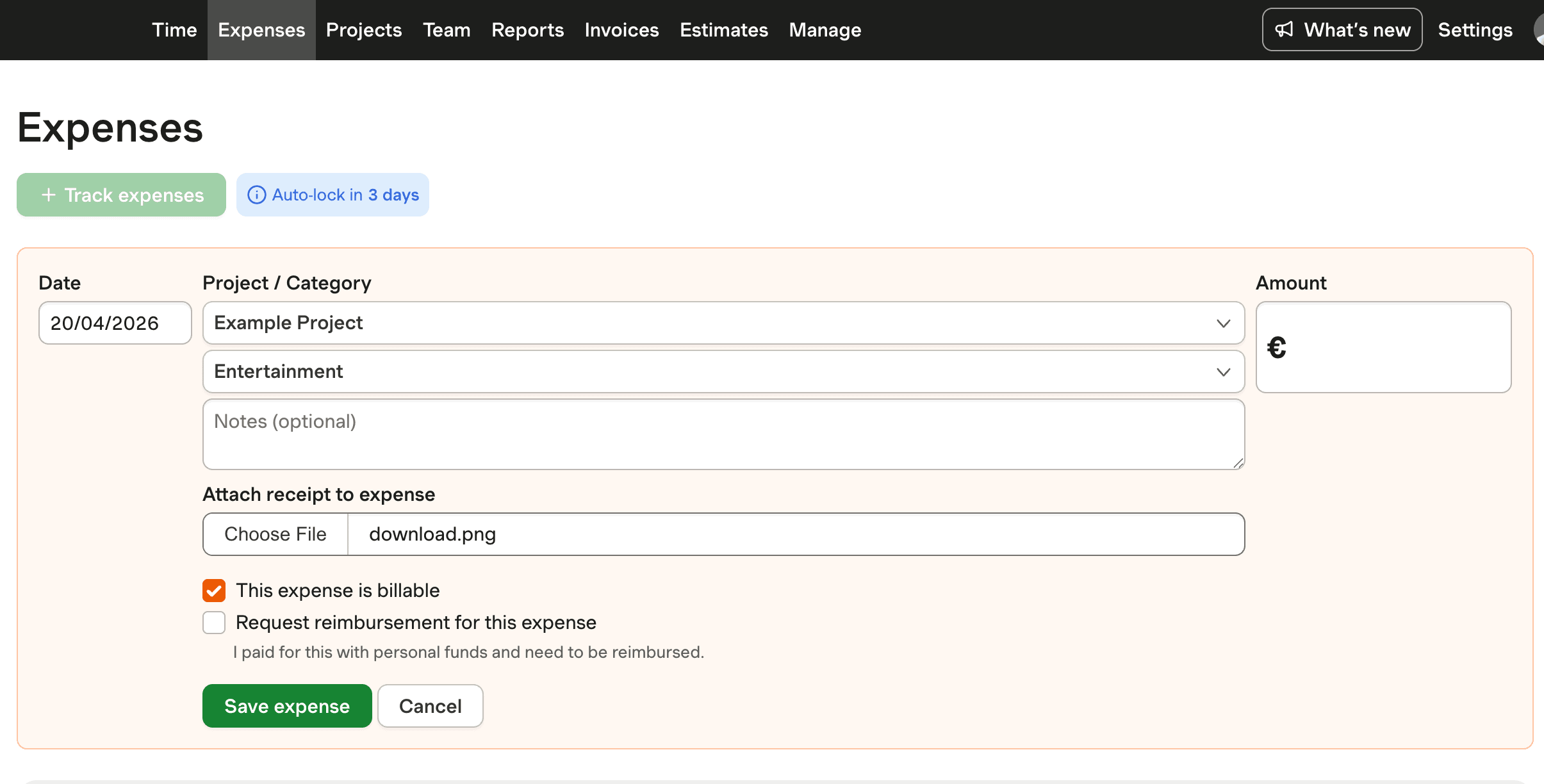
Explore how Harvest manages mileage reimbursements with customizable per-mile rates, perfect for tracking employee travel expenses.

Harvest interface showing fuel allowance management features.

Fuel Allowance for Employees FAQs

  • A fuel allowance is a fixed amount given to employees to cover fuel costs incurred during business-related travel. It is typically taxed as income but offers employees a predictable subsidy for travel expenses.

  • Fuel allowances are fixed amounts paid to employees and often taxed, while mileage reimbursements are calculated per mile driven and can be tax-free if aligned with IRS rates. This makes mileage reimbursements more flexible and tax-efficient.

  • Fuel allowances generally count as taxable income, impacting an employee's net pay. In contrast, mileage reimbursements that adhere to IRS rates can be tax-free for employees and deductible for employers, minimizing tax liabilities.

  • To implement a fuel allowance program, develop clear policies defining eligible expenses and rates. Use tools like Harvest to manage mileage tracking and integrate with payroll systems for streamlined processing.

  • Automated mileage tracking reduces errors and administrative burdens associated with manual reporting. It ensures accurate records and compliance, saving time and minimizing potential IRS penalties.

  • Yes, Harvest allows businesses to manage mileage reimbursements by setting customizable per-mile rates, simplifying expense management and ensuring accurate mileage logs.

  • Legal requirements vary by region. In the US, some states mandate reimbursement for travel expenses, while in the UK and Canada, specific per-mile rates are set by regulatory bodies to guide reimbursement policies.