
Harvest
Expenses
Sign up

Amazon Flex Mileage Reimbursement

Amazon Flex drivers can face significant tax burdens if they fail to claim mileage reimbursements. Harvest assists by providing a simple way to manually track these expenses.

  • Attach receipts to projects & tasks
  • Turn tracked expenses into client invoices
  • Free 30-day trial, no credit card needed

or drag & drop • Images and PDFs, max 10 MB

Understanding Mileage Reimbursement for Amazon Flex Drivers

Amazon Flex drivers can significantly benefit from understanding mileage reimbursement, as it directly impacts their net income. According to research, gig workers who accurately track their mileage can save between $1,300 and $2,400 annually in taxes by claiming deductions based on the IRS standard mileage rate, which is set to rise to 72.5 cents per mile in 2026. This is crucial for maintaining profitability, especially since fuel expenses can take up 18% to 34% of a driver's income.

Despite these potential savings, many drivers miss out on deductions due to inadequate tracking, with a mere 100 missed miles per month potentially leading to over $800 in lost deductions annually. Utilizing tools like Harvest can streamline the tracking of mileage expenses, helping drivers stay compliant with IRS requirements by allowing manual input of mileage data and categorization of expenses, though users must ensure their logs meet IRS standards independently.
Efficient Mileage Tracking Methods for Amazon Flex

Accurate mileage tracking is essential for Amazon Flex drivers to maximize their tax deductions. The IRS mandates detailed logs that include date, miles driven, and business purpose. Automated mileage tracking apps have gained popularity, with users saving approximately $6,500 per year in taxes by ensuring all eligible miles are recorded. However, for those who prefer manual tracking, Harvest offers a way to track mileage expenses and set custom rates, although it does not automate the process.

To enhance accuracy, integrate mileage tracking into regular business operations by reviewing and classifying trips weekly. This practice reduces stress and ensures compliance with tax regulations. While Harvest facilitates manual tracking, drivers should consult tax professionals for guidance on whether the standard mileage rate or actual expenses method is more beneficial for their specific situation.

Maximizing Mileage Deductions for Tax Savings

Amazon Flex drivers can optimize their tax savings by understanding deductible mileage types and the associated IRS requirements. Beyond client deliveries, deductible mileage includes trips for supply runs, professional development, and business errands. The average self-employed individual claims around $5,500 annually using the standard mileage rate, while those using the actual expenses method may claim more.

Although Harvest does not provide specific tax guidance, it supports manual expense tracking, which is vital for maintaining accurate records. This includes recording every business trip's details, such as starting and ending locations and total miles. Drivers should also consider consulting a tax professional to identify additional deductible expenses like tolls and parking fees, which can be claimed separately even when using the standard mileage rate.

Track Mileage with Harvest

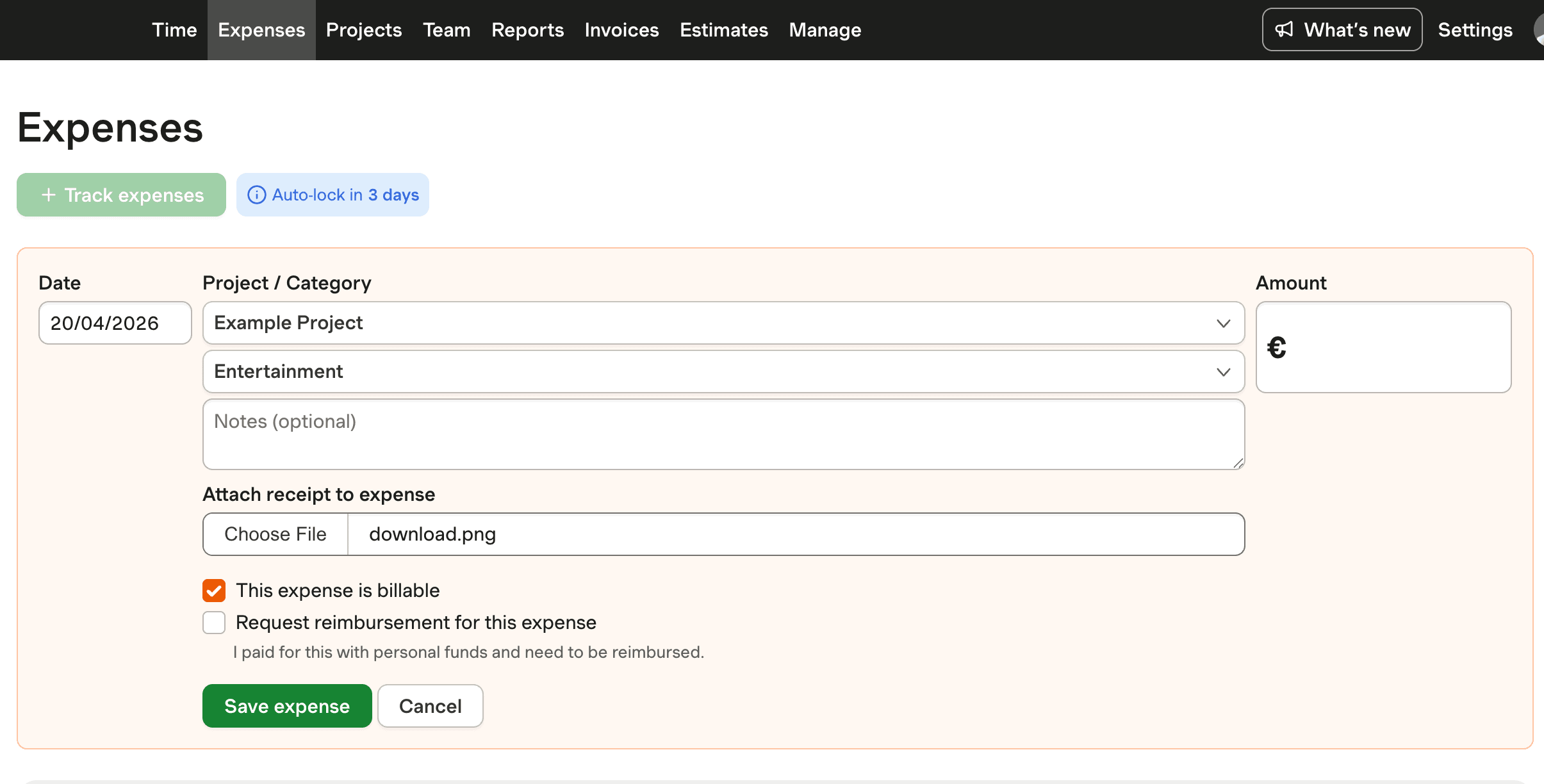
See how Harvest helps Amazon Flex drivers track mileage expenses to maximize tax deductions and maintain compliance.

Screenshot of Harvest tracking Amazon Flex mileage for reimbursement.

Amazon Flex Mileage Reimbursement FAQs

  • The IRS requires that mileage logs include the date, miles driven, starting and ending locations, and the business purpose for each trip. Accurate records are essential for claiming deductions.

  • Using a mileage tracking app is the most efficient way to ensure accuracy. For manual tracking, Harvest provides tools to record mileage expenses and categorize them for easy reference.

  • Business mileage includes all trips necessary for completing deliveries, such as driving to pick-up locations, delivering packages, and running business-related errands.

  • To maximize deductions, ensure all business-related trips are logged accurately. Consider additional deductions like tolls and parking fees, which can be claimed separately.

  • Yes, automated apps ensure all eligible miles are recorded, reducing the risk of missed deductions. Users report saving an average of $6,500 annually in taxes with these tools.

  • If you forget to log a trip, try to reconstruct the details as accurately as possible. Regular reviews of your logs can help ensure completeness and accuracy.