
Harvest
Expenses
Sign up

Rideshare Mileage Tracker

Harvest offers real-time expense tracking, ideal for rideshare drivers needing to manage operational costs efficiently, though it lacks automatic mileage logging.

  • Attach receipts to projects & tasks
  • Turn tracked expenses into client invoices
  • Free 30-day trial, no credit card needed

or drag & drop • Images and PDFs, max 10 MB

Maximize Your Rideshare Earnings with Effective Mileage Tracking

Rideshare drivers can achieve significant tax savings by accurately tracking their business mileage. With the 2026 IRS standard mileage rate set at $0.725 per mile, a driver logging 20,000 business miles could claim a substantial $14,500 deduction, translating to $3,600 to $4,350 in tax savings depending on their tax bracket. However, relying solely on rideshare platform data often results in underreporting, as these platforms typically miss 15-20% of deductible miles, potentially costing drivers $2,000 to $4,000 in lost deductions.

To bridge this gap, drivers are increasingly adopting automatic mileage tracking solutions that capture all business-related miles, including those driven while offline from the rideshare app. This automated approach not only saves an average of 90 hours annually for independent contractors but also ensures all deductible miles, such as repositioning and vehicle maintenance trips, are accurately logged. While Harvest provides real-time expense tracking, it requires manual entry of mileage, which may not capture the full scope of deductible trips.
The Importance of Comprehensive Mileage Tracking for Rideshare Drivers

For rideshare drivers, capturing every possible deductible mile is crucial to maximizing tax benefits. The IRS requires a detailed log that includes the date, total miles driven, destination, and business purpose for each trip. Missing out on tracking 'dead miles' — those driven without passengers such as repositioning — can lead to significant missed deductions. For example, one driver missed recording 13,000 miles by relying solely on platform data, resulting in over $8,500 in lost tax deductions.

While Harvest excels in tracking expenses incurred during rideshare activity, it lacks automatic trip detection and integration with platforms like Uber and Lyft. This means drivers must manually enter their mileage, potentially leading to missed entries and incomplete records. For those who prefer a complete automated solution, exploring specialized mileage tracking apps might be more beneficial, while still using Harvest for comprehensive expense management.

Leveraging Harvest for Expense Management While Driving for Rideshare

Although Harvest does not offer automatic mileage tracking, it provides an effective solution for managing rideshare-related expenses. With its real-time expense tracking feature, drivers can quickly log costs like fuel, maintenance, and other operational expenses as they occur, ensuring no financial detail is overlooked. By uploading receipts immediately through the mobile app, drivers can maintain organized records that are crucial during tax season.

Harvest's ability to generate detailed expense reports aids in the broader financial management of rideshare earnings. While these reports are not specifically tailored for rideshare tax deductions, they provide a comprehensive overview of business expenses, helping drivers manage their finances effectively. For drivers looking to optimize their tax deductions, combining Harvest's expense tracking capabilities with a specialized mileage tracking app can offer a holistic approach to financial management.

How Harvest Can Complement Rideshare Financial Tracking

While Harvest does not integrate directly with rideshare platforms, it can still play a pivotal role in a driver's financial toolkit. By offering real-time tracking for expenses incurred during rideshare activities, Harvest helps drivers ensure all costs are documented and deductible. This is particularly important for managing operational expenses like gas, repairs, and maintenance, which significantly impact a driver's net earnings.

Drivers can benefit from Harvest's detailed reporting capabilities, which allow for a clear understanding of income and expenses, crucial for tax preparation and financial planning. Although Harvest requires manual mileage entries, its strength lies in its robust expense management features, making it an excellent companion to mileage-specific tracking solutions that capture and categorize trips automatically.

Rideshare Expense Tracking with Harvest

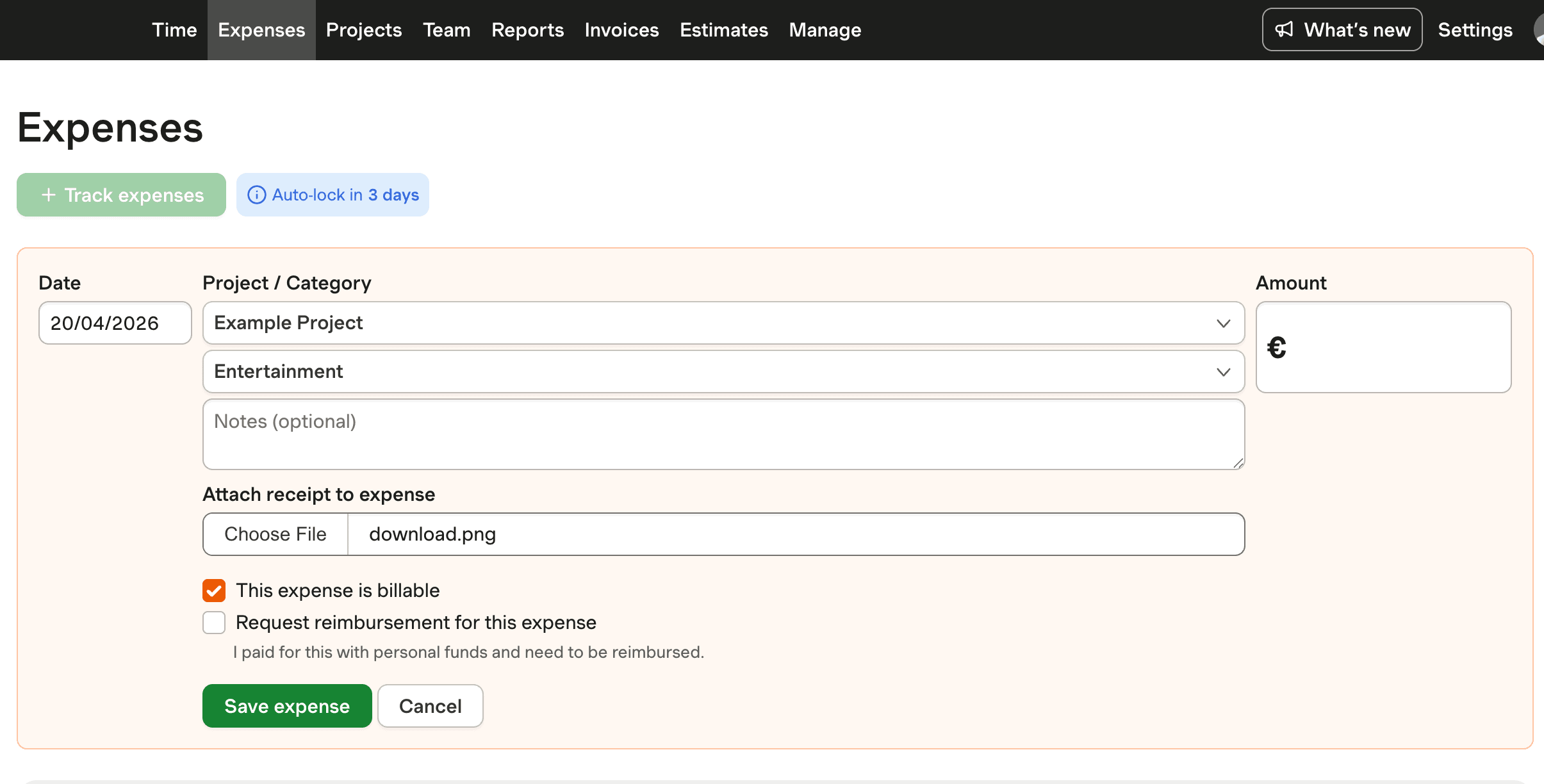
See how Harvest tracks expenses for rideshare drivers, helping manage costs efficiently. Ideal for operational expense tracking.

Harvest dashboard showing expense tracking for rideshare drivers.

Rideshare Mileage Tracker FAQs

  • Rideshare drivers can track deductible miles using mileage tracking apps that automatically log trips via GPS. This ensures all business-related miles are captured, reducing the risk of missed deductions.

  • "Dead miles" refer to trips driven without passengers, such as repositioning to a busier area or returning home after the last ride. These miles are often missed by platform data but are crucial for maximizing tax deductions.

  • Mileage is often the largest deductible expense for rideshare drivers. Accurate tracking can lead to significant tax savings, reducing taxable income and overall tax liability.

  • Harvest offers real-time expense tracking, allowing drivers to log and manage operational costs like fuel and maintenance, ensuring comprehensive financial records for tax time.

  • The IRS sets a standard mileage rate, which for 2026 is $0.725 per mile. This rate covers costs like gas and maintenance, simplifying the deduction process for drivers.

  • Automatic mileage trackers save time and reduce errors by logging trips in real time. This ensures that all deductible miles are captured, maximizing potential tax savings.