
Harvest
Expenses
Sign up

Work Mileage Reimbursement

Harvest simplifies mileage tracking by allowing you to set customizable per-mile rates, making reimbursements easy and accurate for project-based expenses.

EXPENSE REPORT DRAFT

Drop your receipts here or click to upload

Images and PDFs (max 10 MB each)

Date
Category
Merchant
Description
Amount
Total
$0.00

Customise report

Appearance

Show report title

Report settings

Understanding Work Mileage Reimbursement Rates

Work mileage reimbursement is a crucial element in compensating employees who use their personal vehicles for business purposes. The IRS has set the business mileage rate at 72.5 cents per mile for 2026, up from 70 cents in 2025. This rate is subject to annual revisions based on the fixed and variable costs of operating a vehicle, such as fuel, maintenance, and depreciation. Accurate mileage tracking is essential to prevent over-reimbursement, which can inflate reported mileage by 10-15%.

Organizations that switch to automated mileage tracking solutions can reduce overstated mileage by 25% or more, enhancing the accuracy and efficiency of reimbursements. Despite this, many companies still rely on manual reporting, which not only increases the risk of errors but also consumes valuable employee time. To mitigate these issues, businesses should consider implementing automated systems to streamline their mileage reimbursement processes.
Legal and Compliance Aspects of Mileage Reimbursement

In the United States, federal law does not mandate mileage reimbursement for employees, except when unreimbursed expenses lower an employee's pay below the federal minimum wage. However, state-specific laws, such as those in California, Illinois, and Massachusetts, require reimbursement for necessary work-related mileage expenses. To ensure that reimbursements are non-taxable, they must comply with an "accountable plan" as defined by the IRS. This involves keeping detailed records and substantiating the business purpose of travel.

Employers must retain mileage logs and supporting documentation for at least three years to comply with IRS guidelines. While Harvest does not provide specific record-keeping requirements, it allows businesses to set a standard per-mile rate for accurate tracking and reimbursement calculations. This capability supports compliance by ensuring that mileage tracking aligns with company policies and IRS standards.

Maximizing Efficiency with Harvest's Mileage Tracking

Harvest offers a streamlined solution for tracking mileage expenses, making it easier for businesses to manage reimbursements accurately. By allowing companies to set customizable per-mile rates, Harvest simplifies the calculation of reimbursements for project-based expenses. This feature is particularly beneficial for industries with mobile workforces, such as sales and field services, where precise mileage tracking is critical.

Automated mileage tracking with Harvest not only reduces the administrative burden on employees but also minimizes the risk of over-reimbursement. By integrating with existing business processes, Harvest facilitates the direct application of company-specific rules and the most current mileage rates. This ensures that reimbursement practices are both efficient and consistent, ultimately supporting organizational compliance and financial integrity.

Implementing a Comprehensive Mileage Reimbursement Policy

Creating a clear and comprehensive mileage reimbursement policy is vital for businesses to ensure fair and consistent practices. This policy should define employee eligibility, outline qualifying trips, and specify required documentation. For example, the policy should state that commuting between home and the regular workplace is not eligible for reimbursement, as per IRS guidelines.

To maintain accuracy, employees should record each trip's date, time, odometer readings, and business purpose. Harvest aids in this process by offering customizable mileage tracking, allowing for precise and efficient reimbursement management. Regularly reviewing mileage reports can help identify inconsistencies and prevent overpayments, ensuring that all claims adhere to the established policy.

Streamline Mileage with Harvest

See how Harvest's mileage tracking simplifies reimbursement with customizable rates. Ensure accurate tracking for your business.

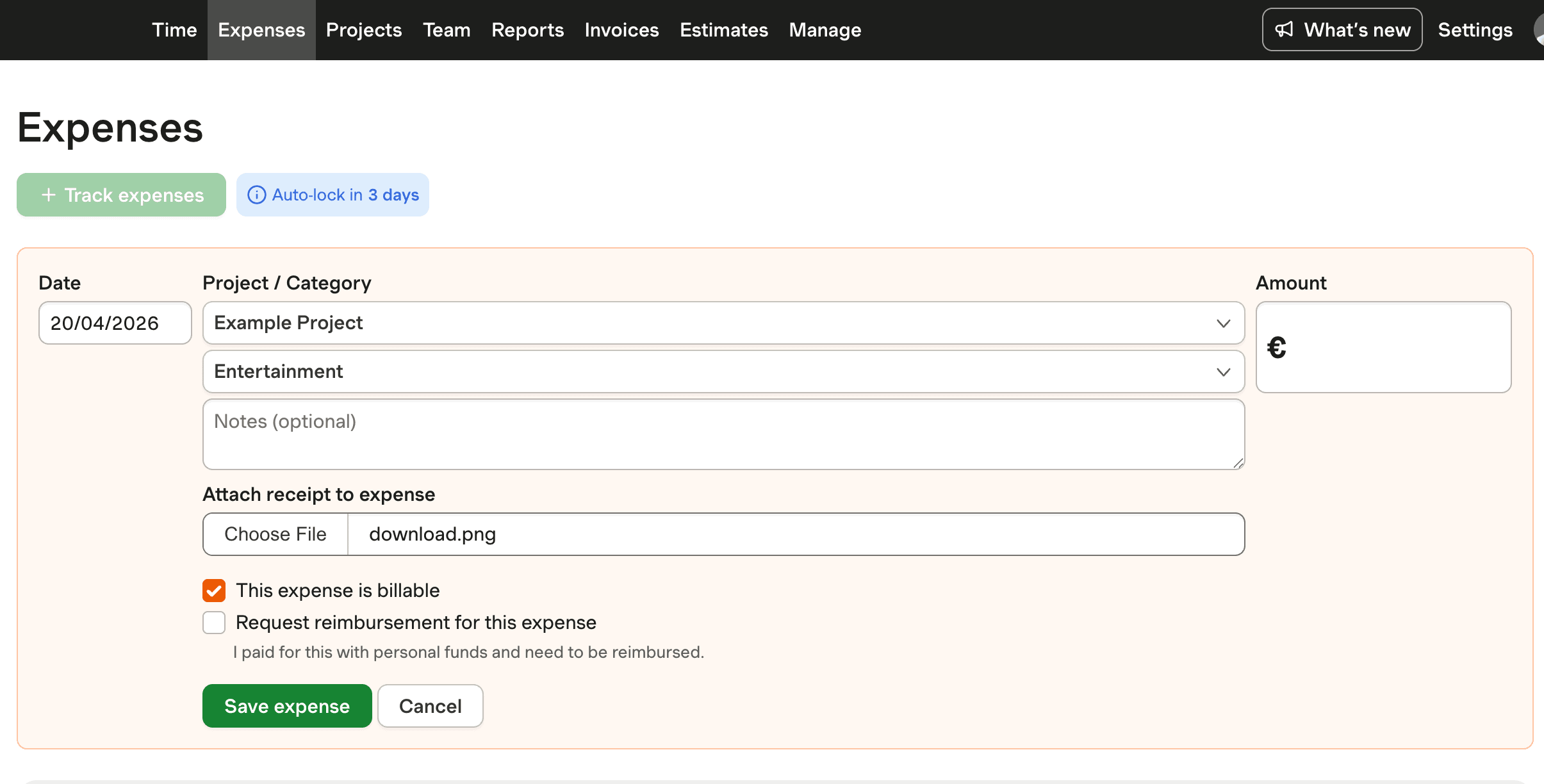
Harvest interface showing work mileage reimbursement tracking.

Work Mileage Reimbursement FAQs

  • The IRS mileage reimbursement rate for 2026 is set at 72.5 cents per mile. This rate is adjusted annually to reflect changes in the costs of vehicle operation.

  • Accurate mileage tracking can be ensured by using automated solutions like Harvest, which reduce the risk of overstated mileage by up to 25%. This helps in maintaining precise records and calculations.

  • To claim mileage reimbursement, employees should maintain detailed logs including the date, time, starting and ending odometer readings, and the business purpose of each trip. These records should be kept for at least three years.

  • Harvest aids in mileage reimbursement by allowing businesses to set customizable per-mile rates. This simplifies the tracking process and ensures accurate calculations for project-based expenses.

  • Mileage reimbursements are generally non-taxable if they adhere to an "accountable plan" as defined by the IRS. Proper documentation and substantiation of business travel are key requirements.

  • Business-related travel qualifies for mileage reimbursement, excluding commuting between home and the regular workplace. Businesses should define qualifying trips in their mileage reimbursement policy.

  • Automated mileage tracking is recommended because it significantly reduces errors and inefficiencies associated with manual tracking, ensuring accurate and timely reimbursements.