
Harvest
Expenses
Sign up

Mileage From Home to Work

Harvest simplifies mileage tracking with customizable rates, helping businesses manage project-based expenses efficiently.

EXPENSE REPORT DRAFT

Drop your receipts here or click to upload

Images and PDFs (max 10 MB each)

Date
Category
Merchant
Description
Amount
Total
$0.00

Customise report

Appearance

Show report title

Report settings

Understanding Commuting versus Business Mileage

When it comes to tax deductions, the difference between commuting and business mileage is crucial. Commuting refers to the travel between your home and your regular place of work, which is generally not deductible for tax purposes. According to IRS guidelines, this type of mileage does not qualify for tax-free reimbursement. On the other hand, business mileage includes travel to client meetings, job sites, or other temporary work locations, which can be deducted. Understanding these differences is essential for accurate tax reporting and compliance.

The average commuter in the UK spends over two hours daily traveling to work, significantly impacting their mental health and financial situation. For example, a lengthy commute can lead to a 33% increased risk of depression and a 12% increase in work-related stress. These challenges underscore the importance of distinguishing between deductible and non-deductible travel.
Challenges of Manual Mileage Tracking

Manual mileage tracking is fraught with challenges, often leading to inaccurate records and potential tax compliance issues. Many employees still rely on spreadsheets or paper logs, which are prone to human error and can result in a 10-15% inflation of mileage claims. This error can cost drivers up to a full 40-hour workweek annually in administrative time. Inaccuracies in mileage reporting can lead to denied deductions and potential penalties if audited by the IRS or HMRC.

One in five employees is found to falsify expense claims, including mileage, emphasizing the need for reliable tracking methods. Automated solutions, like Harvest, offer a way to seamlessly track mileage without the hassle of manual entry. By using GPS-based tracking, Harvest ensures accuracy and saves time, reducing administrative burdens significantly.

Impact of Remote Work on Mileage Tracking

The rise of remote work has transformed commuting patterns, reducing the need for traditional travel to the office. Since the onset of the COVID-19 pandemic, remote workers have saved over $90 billion in commuting costs. However, remote work can lead to a "rebound effect," where non-commute trips increase, partially offsetting these savings.

For businesses managing remote or hybrid teams, mileage tracking remains crucial. Harvest supports this need by offering customizable rates for various projects, enabling precise tracking of project-based expenses. This feature is particularly beneficial for industries like healthcare and field services, where employees frequently travel to multiple locations in a single day.

Legal and Compliance Considerations for Mileage Deductions

Adhering to legal and compliance standards is vital when claiming mileage deductions. In the U.S., the IRS standard mileage rate for business use is 72.5 cents per mile as of 2026. To qualify for tax-free reimbursement, businesses must comply with the IRS "accountable plan" rules, which require substantiation of mileage through proper logs and a clear business purpose.

Without accurate records, businesses and employees face the risk of denied deductions and potential penalties. It's advised to retain mileage logs and supporting documents for at least three years after filing the tax return. Harvest simplifies this process by providing reliable mileage tracking, ensuring that records are detailed and easily accessible when needed.

Leveraging Technology for Efficient Mileage Management

Technology has revolutionized mileage management, shifting away from manual reporting to automated, GPS-based solutions. This shift is driven by the need for accuracy and efficiency, as manual errors can lead to significant financial discrepancies. Automated systems help businesses not only comply with tax regulations but also optimize operational costs.

Harvest offers a robust mileage tracking solution, allowing businesses to set customizable rates and manage expenses seamlessly. By using Harvest, companies can standardize their mileage data, facilitating better financial planning and decision-making. This approach not only reduces administrative burdens but also enhances profitability by providing clear insights into travel expenses and resource allocation.

Mileage From Home to Work with Harvest

Explore how Harvest helps track mileage for business expenses, offering customizable rates and accurate tracking.

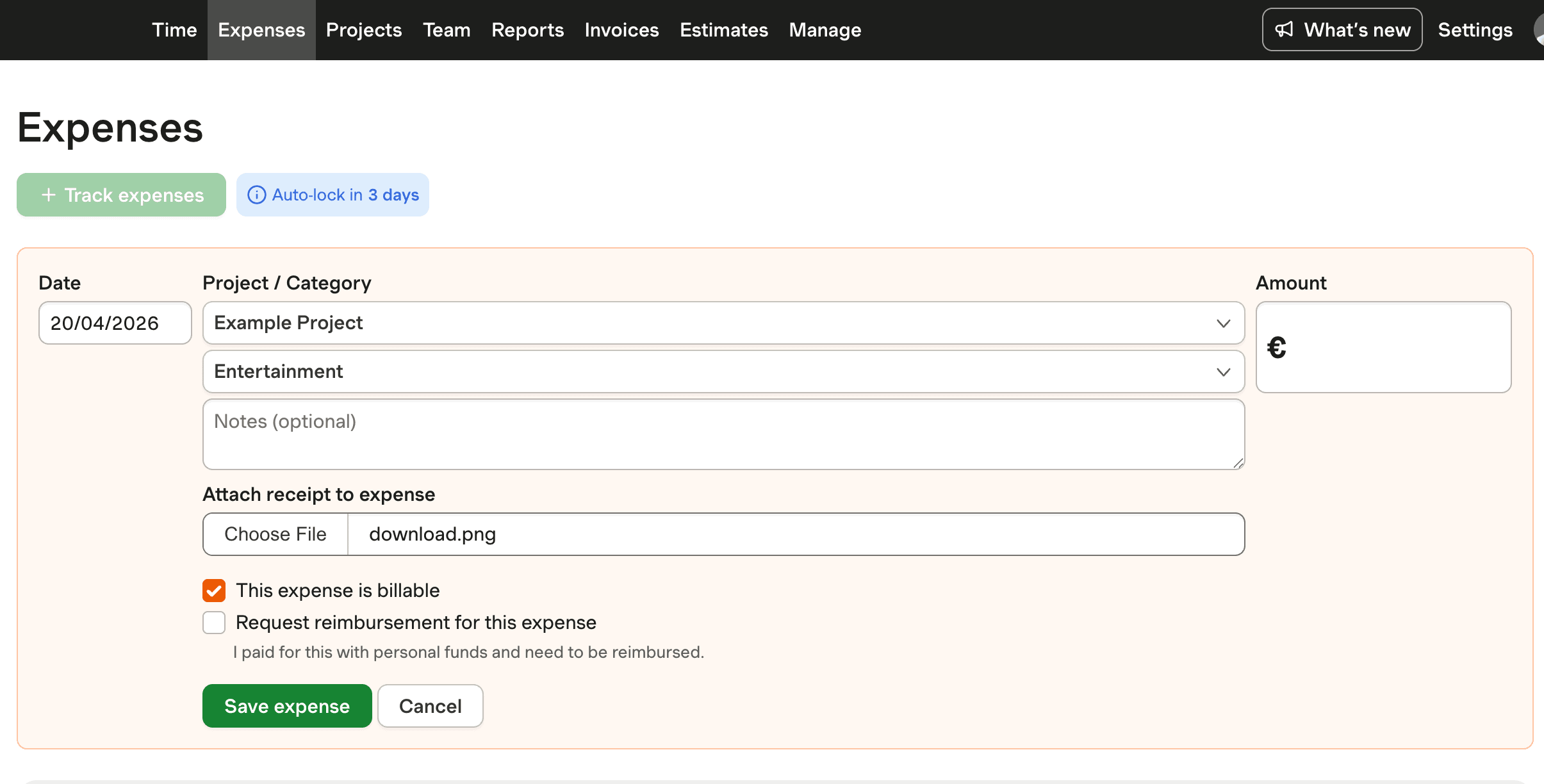
Harvest mileage tracking interface for work travel expenses

Mileage From Home to Work FAQs

  • Business mileage includes travel to client sites, job locations, or other temporary workplaces. Unlike commuting, these trips are deductible, provided they meet IRS guidelines for business purposes.

  • Self-employed individuals can deduct mileage for business-related travel, but not for commuting. This includes trips to meet clients or to purchase supplies for the business, under IRS regulations.

  • The IRS distinguishes commuting as personal travel that is not deductible. In contrast, business miles are those traveled for business purposes, such as client meetings or temporary work assignments, and are deductible.

  • To support mileage claims, you need a detailed log showing the date, distance, and purpose of each trip. Retain these records for at least three years to comply with IRS requirements.

  • Harvest automates mileage tracking with GPS-based solutions, allowing businesses to set customizable rates and manage expenses efficiently. This reduces errors associated with manual entry.

  • Manual tracking is prone to errors and can result in inflated claims. It is time-consuming and often leads to inaccurate reporting, which can cause issues during tax audits.