
Harvest
Expenses
Sign up

Utility Expense Management

Harvest offers a streamlined solution for managing utility expenses, helping businesses track costs efficiently and minimize late fees.

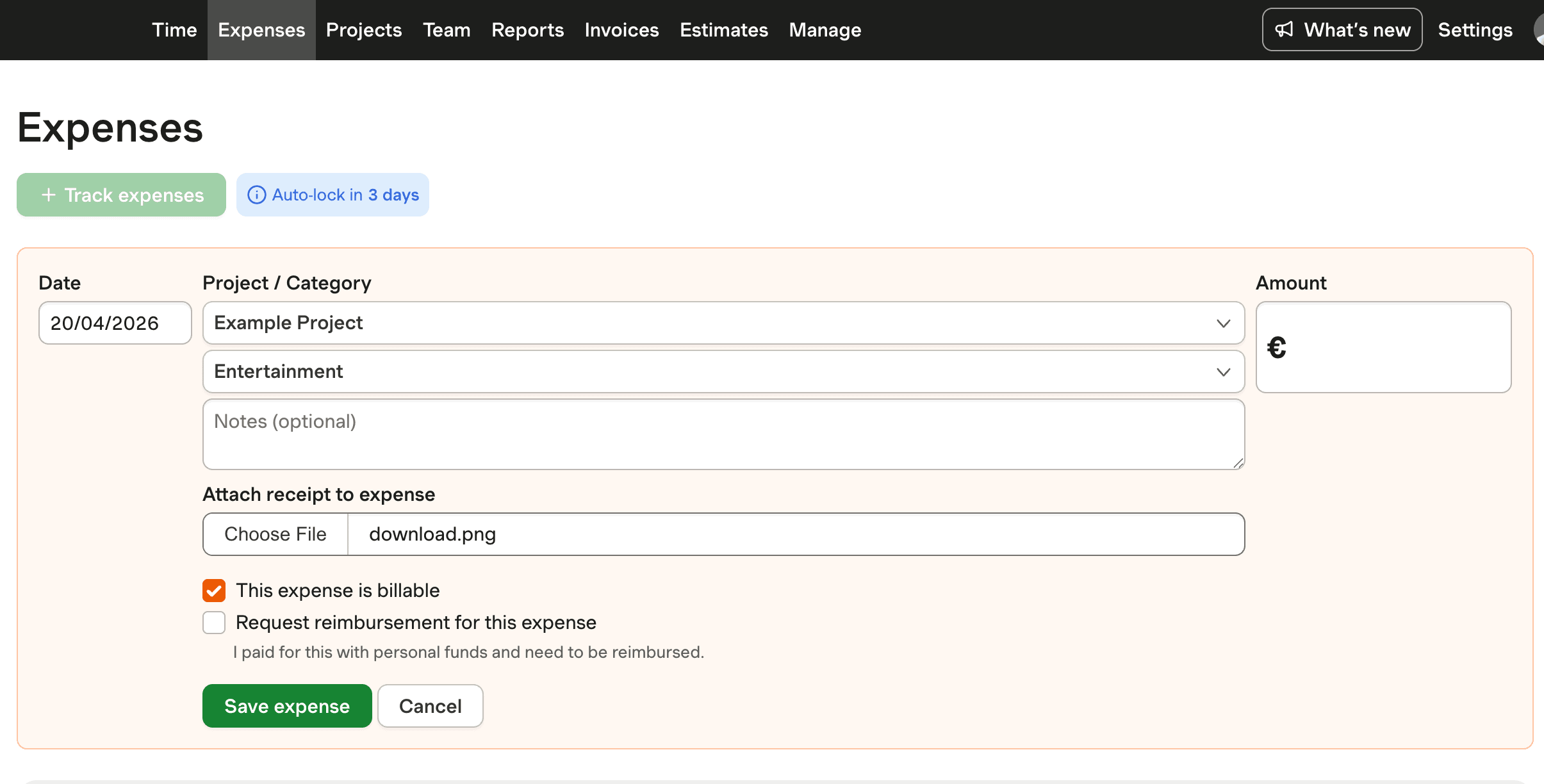
  • Attach receipts to projects & tasks
  • Turn tracked expenses into client invoices
  • Free 30-day trial, no credit card needed

or drag & drop • Images and PDFs, max 10 MB

The Importance of Utility Expense Management

Utility expense management (UEM) plays a pivotal role in optimizing resource usage and reducing costs related to electricity, gas, water, waste, and telecommunications. With the increasing complexity of utility bills—some featuring up to 34 line items—manual reconciliation becomes inefficient and error-prone. Organizations face challenges in managing hundreds or thousands of utility accounts, each with unique rate structures. As utility costs rise—up by 15% in 2022 compared to 2021—effective UEM becomes crucial for financial stability and operational efficiency.

Implementing UEM strategies can lead to significant savings, with potential reductions of 5-7% on utility expenses. Some large portfolios report annual savings exceeding $2 million. Harvest assists businesses by enabling the tracking of utility costs as part of its expense management capabilities, offering a streamlined approach to managing these significant operating expenses.
Leveraging Technology for Utility Cost Optimization

Modern utility expense management has transitioned from manual processes to digital solutions, integrating smart technologies like IoT and AI. These advancements allow for real-time data analysis and predictive insights, significantly enhancing operational efficiency. Automation in UEM can reduce invoice processing time by up to 70% and cut down manual tasks by 90%, freeing up teams to focus on strategic activities.

Harvest simplifies project-based expense tracking, allowing businesses to manage utility costs alongside other project expenses efficiently. By enabling fast invoicing of tracked expenses, Harvest helps minimize late fees, ensuring timely financial management. This integration supports broader organizational goals, such as cost reduction and sustainability.

Strategies for Effective Utility Expense Management

Effective utility expense management begins with a comprehensive assessment of current processes. Organizations should centralize data, reducing administrative overhead and errors, and implement regular audits to catch billing discrepancies. Regularly reviewing and renegotiating utility contracts ensures competitive rates, which is essential in deregulated markets.

Harvest supports these strategies by offering detailed expense reports that can be filtered by client, project, or date, providing visibility into utility costs. This enables businesses to identify cost-saving opportunities and optimize resource allocation. Additionally, integrating utility data with operational systems transforms utility management into a structured intelligence layer, driving proactive operational optimization.

Compliance and Sustainability in Utility Management

Regulatory compliance is a critical aspect of utility expense management, with significant penalties for non-adherence. Laws such as the Indiana requirement for Asset Management Plans highlight the need for audit-ready records and compliance with reporting standards. Sustainability goals further drive the adoption of UEM, as organizations strive to reduce their carbon footprint.

While Harvest does not manage compliance with energy benchmarking requirements directly, it provides tools for tracking expenses that support broader sustainability and ESG reporting needs. Accurate tracking and reporting of utility costs contribute to strategic planning for environmental stewardship, aligning with both regulatory and corporate sustainability objectives.

Manage Utility Expenses with Harvest

See how Harvest efficiently tracks utility expenses, helping businesses manage costs and minimize late fees.

Screenshot of Harvest tracking utility expenses in a project.

Utility Expense Management FAQs

  • Utility expense management involves tracking, validating, analyzing, and paying utility bills to optimize resource usage and minimize costs. This strategic approach supports organizational goals like sustainability and cost control.

  • Reducing utility costs involves strategies like centralizing data, conducting regular audits, and renegotiating contracts. Using technology to automate invoice processing can also lead to significant savings.

  • Technology enhances utility expense management by providing real-time data analysis and predictive insights. Automation reduces manual processing time by up to 70%, improving efficiency and accuracy.

  • Harvest allows businesses to track utility costs alongside other project expenses, simplifying management. It enables fast invoicing, helping to minimize late fees and improve financial management.

  • Common mistakes include neglecting audits, relying on manual processing, and poor data management. These can be avoided by centralizing data, automating processes, and conducting regular audits.

  • Compliance is crucial to avoid penalties and legal issues. It involves adhering to regulatory standards and maintaining audit-ready records. Non-compliance can lead to significant financial repercussions.

  • Yes, UEM supports sustainability goals by providing accurate data for ESG reporting and helping organizations reduce their carbon footprint through optimized resource usage and strategic planning.