
Harvest
Expenses
Sign up

Weekly Mileage Log

Harvest simplifies mileage tracking by allowing manual entry of details like date, destination, and purpose, ensuring compliance with IRS requirements.

  • Attach receipts to projects & tasks
  • Turn tracked expenses into client invoices
  • Free 30-day trial, no credit card needed

or drag & drop • Images and PDFs, max 10 MB

Importance of a Weekly Mileage Log

Accurate mileage logging is essential for compliance with regulations, such as those set by the IRS, and can significantly impact business finances. Up to 47% of employees have been found to overclaim on mileage, often resulting in a conservative overclaim rate of 10% for general employees. This can lead to substantial losses for businesses if not properly managed. A weekly mileage log helps mitigate these risks by ensuring that all travel is documented accurately and contemporaneously, reducing the risk of errors and fraud.

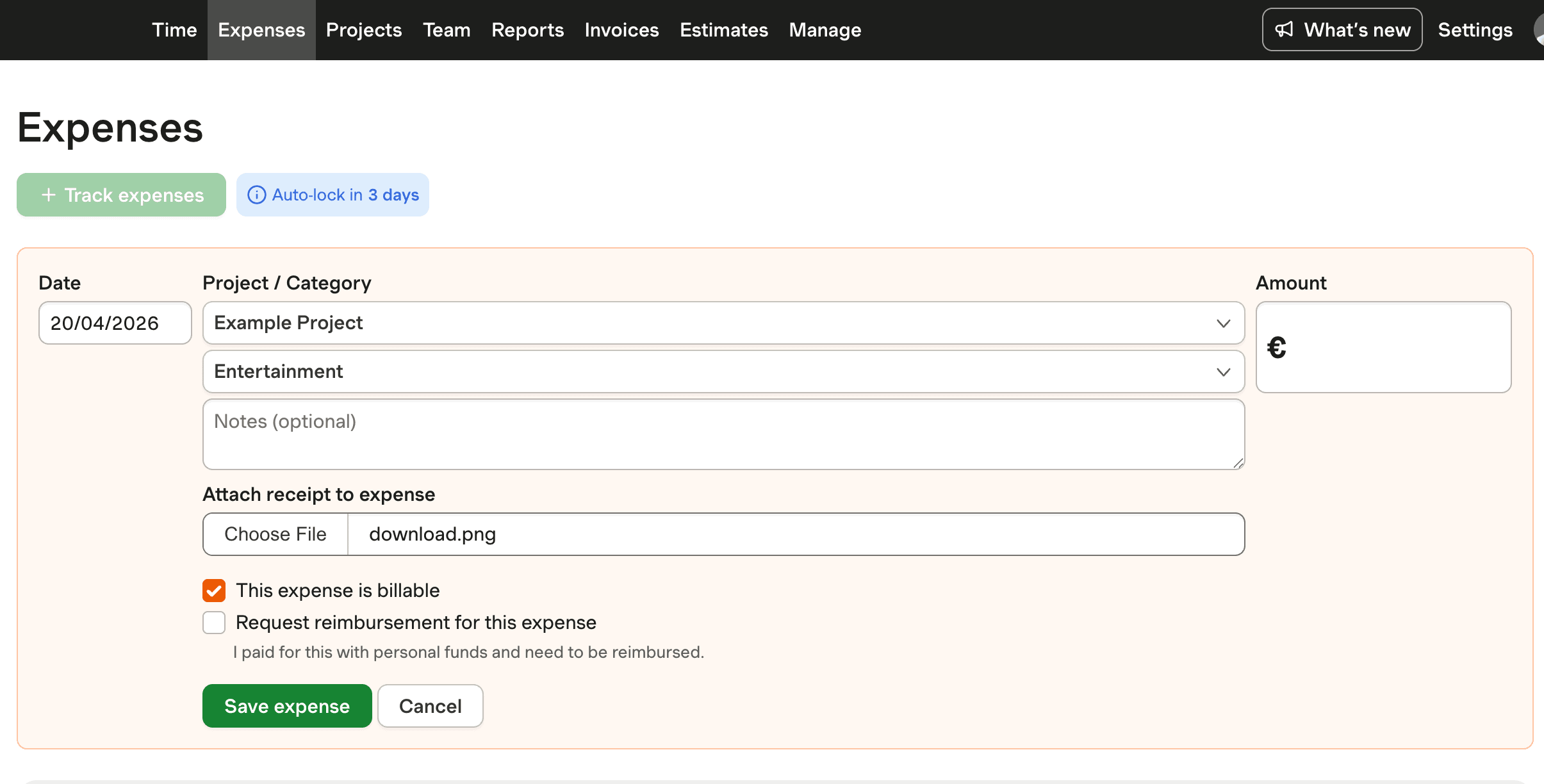
Harvest provides an efficient solution to manage mileage expenses. Users can manually enter each trip with specific details such as the date, destination, and business purpose, ensuring compliance with requirements. By allowing you to mark expenses as billable or non-billable, Harvest helps distinguish between personal and business mileage, crucial for accurate tax reporting.
Essential Details for Compliant Mileage Logs

To comply with IRS regulations, a mileage log must include precise details for each trip: date, starting point, destination, and the business purpose. Failing to maintain such detailed records can result in deductions being disallowed and potential penalties. For example, inaccurate logs could lead to a 20% negligence penalty.

Harvest enables users to capture necessary trip details efficiently. You can set and update mileage rates for different purposes, such as business or charitable activities, ensuring that all records align with IRS guidelines. By keeping logs updated, businesses can avoid IRS penalties and ensure that mileage reimbursements remain non-taxable.

Reducing Administrative Burden with Harvest

Maintaining manual mileage logs can be time-consuming and prone to error. On average, each manual entry takes about 2 minutes, which can accumulate into countless lost hours over a year. Automated mileage tracking can save businesses over 4,000 hours annually across 100 employees, highlighting the inefficiency of manual processes.

While Harvest requires manual entry, it streamlines the process by integrating mileage tracking with broader expense management workflows. This integration reduces duplicate work, enabling users to quickly enter mileage data alongside other expenses, ensuring a holistic overview of travel costs. Such efficiencies not only reduce administrative burdens but also enhance employee satisfaction through faster reimbursements.

Managing Business and Personal Mileage

Differentiating between business and personal mileage is critical for tax compliance and accurate expense reporting. The IRS requires detailed logs to distinguish these trips to justify deductions. Improper records could lead to increased scrutiny and penalties.

With Harvest, users can easily manage this distinction by marking mileage expenses as either billable or non-billable. This feature ensures that personal trips are not mistakenly included in business expense reports, maintaining compliance and simplifying financial management. By setting a clear separation, Harvest aids in accurate reporting and cost allocation.

Maximizing Cost Efficiency with Harvest

Switching to digital mileage tracking solutions can lead to significant cost savings, with some companies reporting up to a 30% reduction in transportation costs. This is achieved through more accurate mileage recording and the removal of fraudulent claims.

Harvest, while relying on manual entry, supports efficient management by allowing users to set specific mileage rates and track expenses accurately. This level of detail helps businesses forecast expenses and allocate resources effectively. By integrating with existing accounting systems, Harvest ensures that all mileage data is accounted for, providing financial teams with the insights needed to manage budgets effectively.

Track Mileage with Harvest

Harvest enables detailed tracking of weekly mileage, ensuring IRS compliance with features for logging date, destination, and purpose.

Harvest mileage log interface for tracking business trips

Weekly Mileage Log FAQs

  • A weekly mileage log must include the date of each trip, starting point, destination, business purpose, and miles driven. This ensures compliance with IRS regulations.

  • Harvest allows users to manually log mileage details such as date, destination, and purpose. This helps ensure compliance with IRS guidelines and simplifies expense management.

  • The IRS requires mileage logs to detail each trip's date, starting and ending points, destination, and business purpose. Accurate and contemporaneous records are crucial for tax compliance.

  • Yes, Harvest allows users to mark mileage expenses as billable or non-billable, helping to distinguish between business and personal mileage for accurate reporting.

  • Failing to maintain a mileage log can lead to disallowed deductions and IRS penalties, including a possible 20% negligence penalty if records are found inaccurate.

  • Automated mileage solutions can cut transportation costs by up to 30%. Harvest helps by ensuring accurate manual entries, supporting efficient financial management.

  • Fraudulent mileage claims can result in penalties, including the disallowance of deductions and possible fines. Accurate logs are essential to avoid these issues.