Sign up


Understanding the Essentials of a Construction Contract
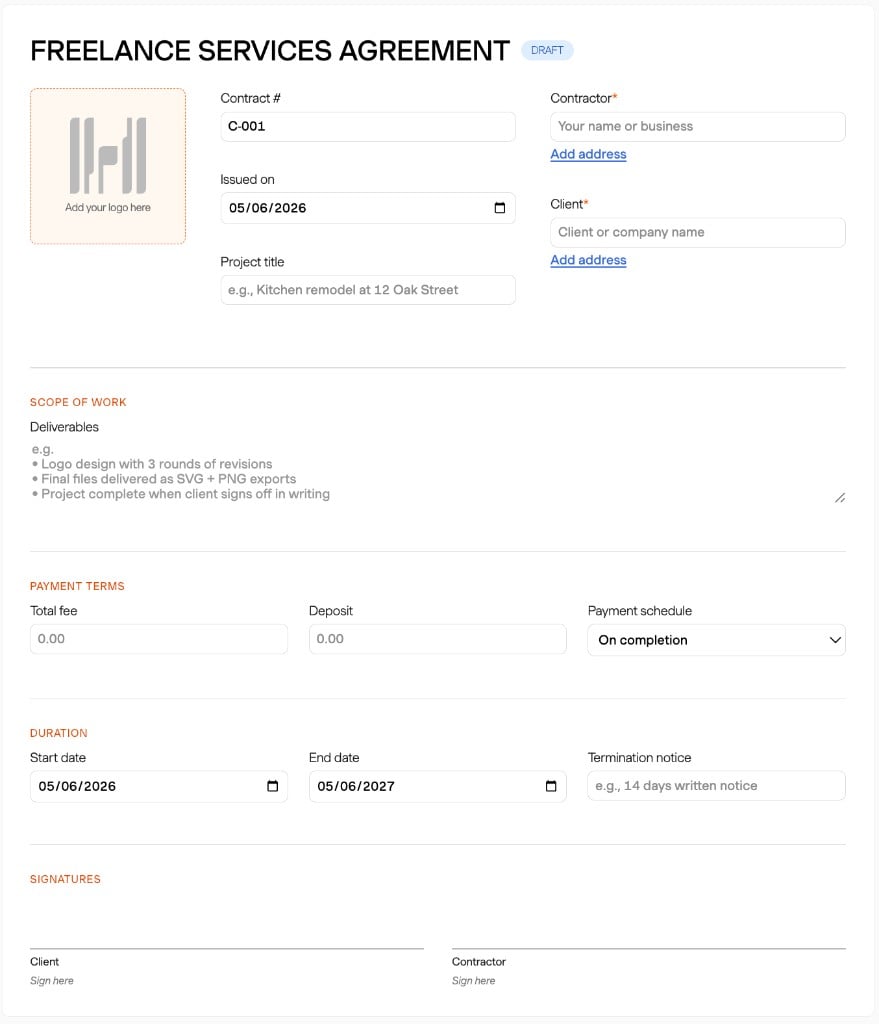
Creating a construction contract involves outlining critical elements that define the project, payment structures, and legal obligations. A comprehensive contract should clearly define the scope of work, including specific tasks and project timelines. According to industry research, contracts with well-defined scopes help mitigate the risk of disputes and cost overruns, which affect nearly 98% of projects (McKinsey & Company). Additionally, specifying payment terms, such as cost-plus incentive fee arrangements, can motivate contractors to adhere to budgets while maintaining quality.
Legal considerations are equally important. Contracts should include clauses for dispute resolution and indemnification to protect both parties. In practice, these provisions help manage project risks, such as productivity loss, by allocating responsibilities before work begins. By addressing these crucial aspects, contractors and clients can create a strong foundation for successful project delivery.