
Harvest
Expenses
Sign up

Usps Mileage Reimbursement

Harvest simplifies mileage tracking with customizable rates, addressing the need for accuracy and efficiency in project-based expenses.

  • Attach receipts to projects & tasks
  • Turn tracked expenses into client invoices
  • Free 30-day trial, no credit card needed

or drag & drop • Images and PDFs, max 10 MB

Understanding USPS Mileage Reimbursement

USPS mileage reimbursement is a vital component for employees who use their personal vehicles for official business. The United States Postal Service (USPS) aligns its mileage reimbursement with the General Services Administration (GSA) rate, which for January 2026 is set at 72.5 cents per mile. This rate is designed to cover the comprehensive costs of vehicle operation, including fuel, maintenance, and depreciation. However, it's important to note that USPS does not reimburse for fuel purchases directly, only for mileage.

While the standard mileage rate is a benchmark, actual vehicle costs can vary based on factors such as vehicle type and regional fuel prices. For instance, employees in Western states may face fuel costs up to 37% higher than those in the Midwest. This geographical disparity underscores the importance of understanding the local cost environment when evaluating the sufficiency of mileage reimbursement.
Automation: A Game Changer in Mileage Tracking

Automated mileage tracking solutions are transforming how organizations handle mileage reimbursements. By implementing GPS-based tracking systems, companies can achieve up to an 80% improvement in mileage accuracy. This enhanced accuracy not only reduces the risk of over-claims but also streamlines the administrative process, cutting accounting hours by up to 70%.

For USPS employees, while specific integration with USPS systems isn't available, using general automated tracking can significantly improve the accuracy of mileage logs. One company reported an annual savings of over $53,000 by reducing reported mileage by 22% through automation. This demonstrates the potential financial benefits of adopting such technology.

Compliance and Record-Keeping Essentials

Maintaining compliance with IRS requirements is crucial for tax-free mileage reimbursement. Under IRS "accountable plan" standards, employees must provide detailed mileage logs that document the date, start and end locations, business purpose, and total miles driven. Failure to maintain adequate records can result in IRS audits and penalties.

For USPS employees, understanding these federal guidelines is essential, even though USPS-specific forms like PS Form 1164-A are required for claims. While Harvest does not provide USPS-specific submission capabilities, it can assist in organizing expense categories and maintaining detailed logs necessary for compliance.

Maximizing Efficiency with Harvest

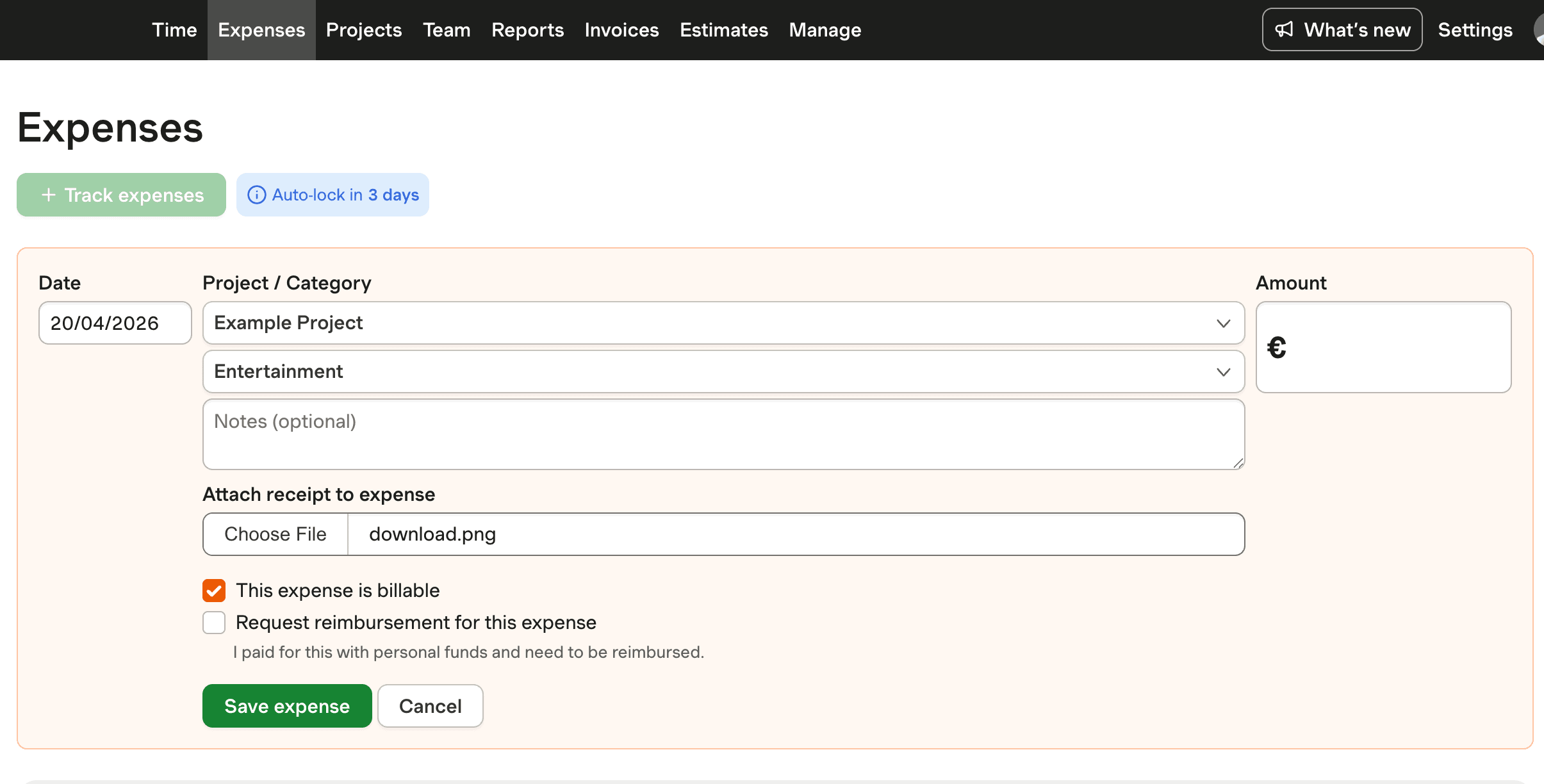
Harvest offers a robust solution for tracking project-based expenses, including mileage. While it does not cater specifically to USPS reimbursement processes, it allows users to set custom mileage rates for accurate tracking. This feature is particularly useful for those who need to manage expenses across different projects or clients.

For organizations looking to streamline their expense management, integrating Harvest with existing business processes can enhance overall efficiency. By automating the expense tracking workflow, businesses can reduce manual data entry, cut down on processing times, and gain real-time financial visibility for informed decision-making.

Track USPS Mileage with Harvest

Discover how Harvest's customizable mileage tracking simplifies project expense management and improves accuracy.

Screenshot showing Harvest's mileage tracking interface for project expenses.

Usps Mileage Reimbursement FAQs

  • The USPS mileage reimbursement rate for January 2026 is 72.5 cents per mile, aligning with the General Services Administration (GSA) standard rate.

  • USPS employees must use specific forms, such as PS Form 1164-A, for mileage claims. Harvest can help organize expenses but does not support USPS-specific submission processes.

  • USPS follows a standard mileage rate without variation for different vehicle types. Harvest allows setting custom rates for tracking but does not provide USPS-specific rates.

  • Manual mileage tracking is prone to errors, potential fraud, and administrative burdens. Errors can lead to a 10-15% inflation in mileage reports, increasing costs and reducing accuracy.

  • Automated mileage tracking can enhance accuracy by up to 80%, as reported by some companies. It eliminates over-claims and simplifies the reimbursement process.

  • IRS compliance requires detailed logs, including the date, start and end locations, business purpose, and total miles driven. Proper documentation is essential to avoid penalties.