
Harvest
Expenses
Sign up

Non Profit Mileage Reimbursement

Harvest simplifies nonprofit mileage reimbursement by offering a straightforward way to track and document expenses, ensuring compliance and efficiency.

  • Attach receipts to projects & tasks
  • Turn tracked expenses into client invoices
  • Free 30-day trial, no credit card needed

or drag & drop • Images and PDFs, max 10 MB

Understanding Nonprofit Mileage Reimbursement Rules

Nonprofit mileage reimbursement involves distinct IRS regulations that govern how organizations compensate employees and volunteers for travel expenses. Unlike business mileage, which is adjusted annually, the IRS charitable mileage rate has remained at 14 cents per mile since 1998. This fixed rate contrasts with the business rate, expected to reach 72.5 cents per mile in 2026. It's crucial for nonprofits to comprehend these rates to avoid missteps that could lead to tax liabilities.

The Tax Cuts and Jobs Act has heightened the importance of proper reimbursement practices, as nonprofits can no longer deduct unreimbursed employee expenses. Therefore, establishing a robust, IRS-compliant accountable plan is essential. This includes ensuring that expenses have a direct business connection, are substantiated in a timely manner, and any excess reimbursement is returned. Failure to adhere to these criteria could result in reimbursements being treated as taxable income, complicating the financial landscape for nonprofits.
Challenges of Manual Mileage Tracking

Manual mileage tracking poses significant challenges for nonprofits, often leading to inaccuracies and inefficiencies. Studies indicate that manual processes can inflate mileage claims by 10-15%, resulting in potential over-reimbursements. This not only affects operational costs but also risks IRS scrutiny, as accurate documentation is paramount for compliance.

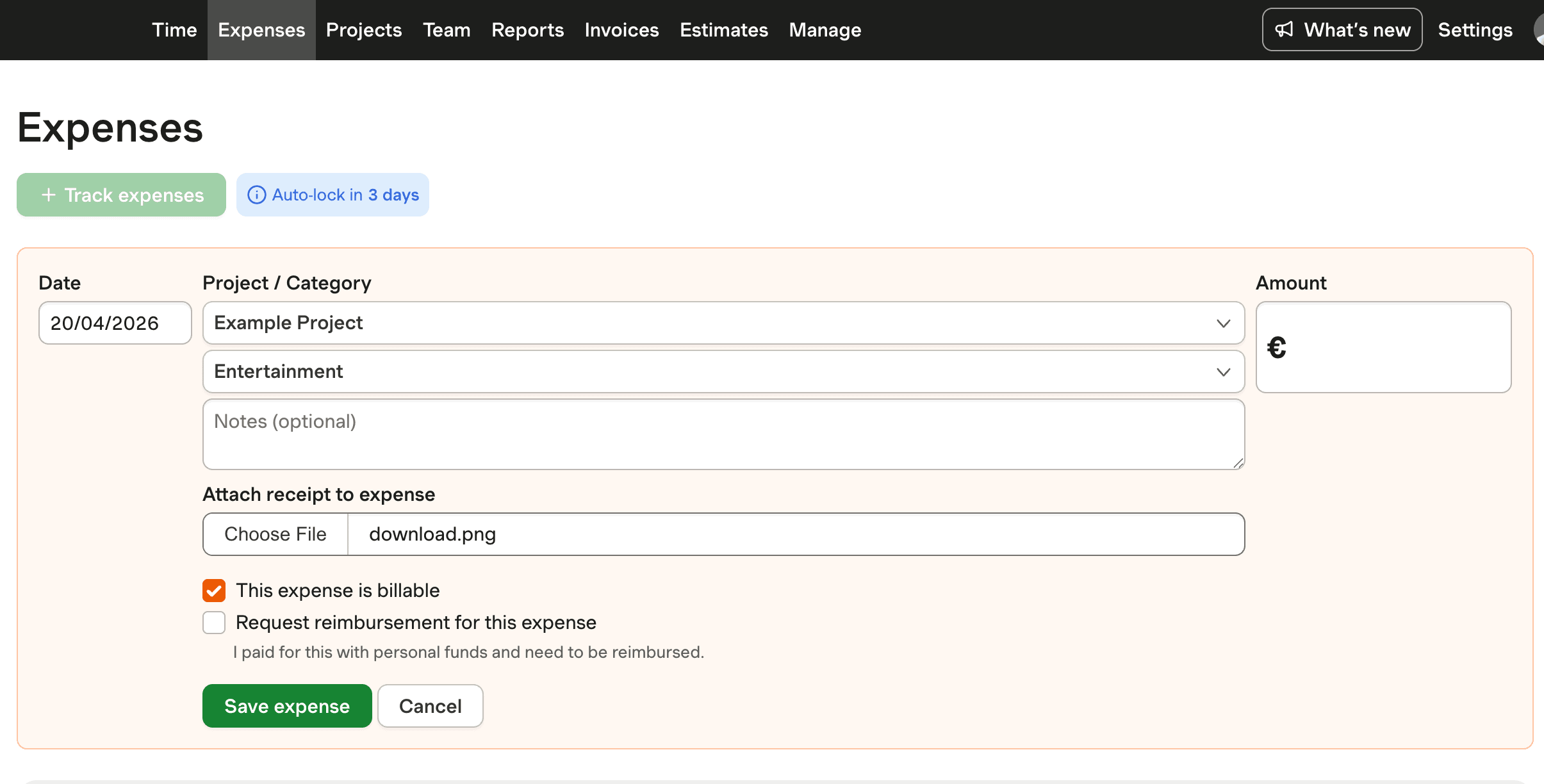
Adopting technology is a growing trend among nonprofits to combat these issues. Automated mileage tracking solutions can integrate with real-time maps, ensuring precise distance calculations and correct application of IRS rates. This eliminates manual errors and streamlines the reimbursement workflow, allowing nonprofits to focus on their core missions. Harvest, for instance, facilitates this by allowing users to document mileage expenses through receipt uploads, ensuring a clear and accurate record of expenses.

Best Practices for Mileage Reimbursement Compliance

Compliance with IRS mileage reimbursement requirements is vital for nonprofits to avoid tax complications. A key aspect is maintaining detailed mileage logs, including dates, destinations, and business purposes. The IRS has specific guidelines, such as requiring expenses to be substantiated within 60 days, and any excess reimbursement returned within 120 days.

Technology can aid in compliance by providing automated tracking and documentation solutions. Harvest, for example, supports the documentation of mileage expenses, allowing nonprofits to upload and store receipt images, ensuring audit-ready records. While Harvest does not manage accountable plans, it simplifies the tracking process with custom mileage rates, assisting organizations in maintaining compliance through precise and organized records.

Adopting Technology for Effective Mileage Management

Nonprofits are increasingly turning to technology to enhance the accuracy and efficiency of mileage reimbursement processes. Automated systems eliminate the need for manual logs, reducing the risk of errors and over-reimbursement. These systems can automatically calculate travel distances and apply the appropriate IRS rates, streamlining submissions and approvals.

Harvest offers a user-friendly interface for documenting mileage expenses, allowing non-profits to maintain organized records with ease. By leveraging such technology, nonprofits can ensure timely, accurate reimbursements while freeing staff to concentrate on mission-critical activities. This approach not only enhances compliance but also reduces administrative overhead, ultimately supporting the organization's financial health.

Nonprofit Mileage Reimbursement with Harvest

Harvest provides an easy way to track and document mileage expenses for nonprofits, ensuring compliance and efficiency.

Harvest interface for non profit mileage reimbursement tracking

Non Profit Mileage Reimbursement FAQs

  • The IRS sets a fixed charitable mileage rate of 14 cents per mile for volunteers. In contrast, nonprofit employees are reimbursed at the business rate, which will be 72.5 cents per mile in 2026.

  • Nonprofits must maintain detailed mileage logs, including dates, destinations, and business purposes. Receipts or digital logs are required for compliance and audit readiness.

  • Nonprofit employees are reimbursed at the standard business rate, while volunteers are reimbursed at the lower charitable rate. Reimbursing volunteers above the charitable rate can result in taxable income.

  • An accountable plan must have a business connection, timely substantiation of expenses, and excess reimbursements must be returned. This ensures reimbursements are not taxable.

  • Technology automates mileage tracking, reducing errors and ensuring accurate reimbursement. Tools like Harvest allow easy documentation through receipt uploads and custom mileage rates.

  • Manual mileage tracking can lead to a 10-15% inflation in reported mileage, increasing costs and risking IRS scrutiny. Automation helps mitigate these issues.

  • Educating staff on reimbursement policies ensures compliance and prevents misunderstandings. Clear communication about documentation and submission timelines is crucial.