Sign up


Understanding Freelance Contracts in Israel
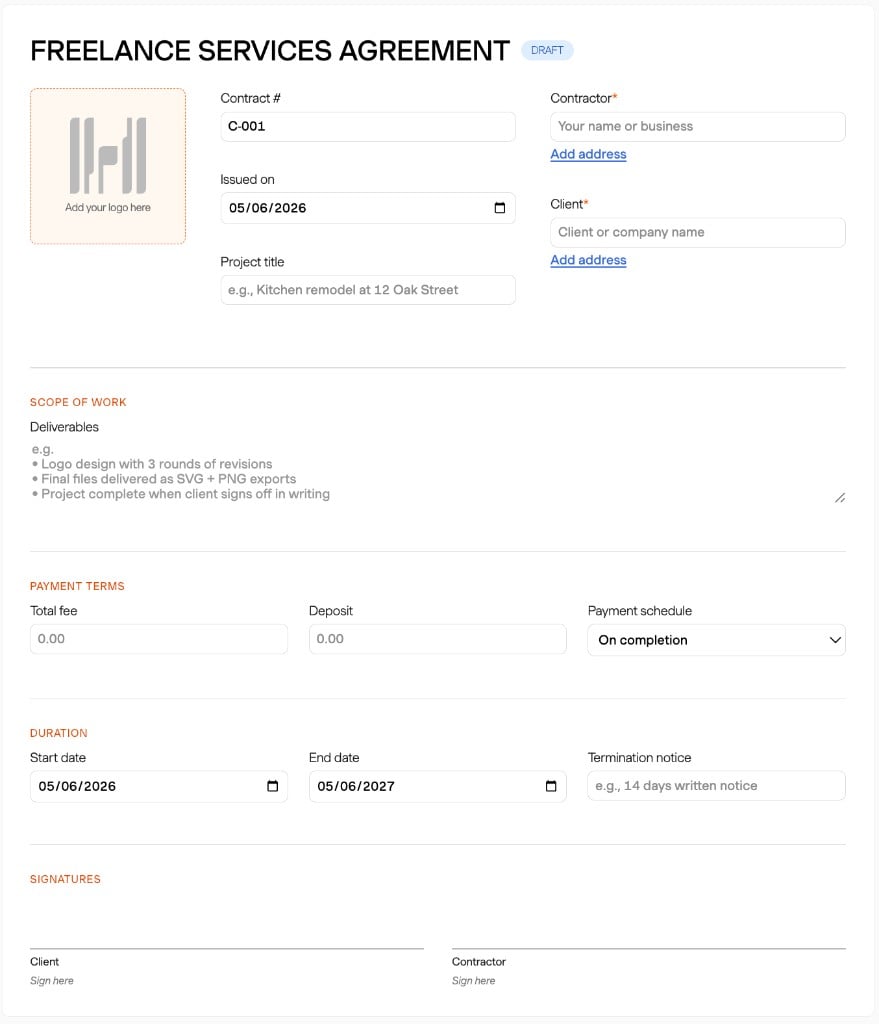
Freelance contracts in Israel must navigate a complex legal landscape to clearly distinguish between freelancers and employees, thus avoiding potential legal repercussions. The rapid growth of the freelance workforce in Israel, with 47% of freelancers starting during or after the COVID-19 pandemic, underscores the importance of robust contract frameworks. A well-drafted contract not only defines the scope of work but also helps prevent "scope creep," where clients request additional work beyond the initial agreement. This clarity is crucial to ensure fair compensation and avoid disputes.
In Israel, courts assess the actual nature of the relationship rather than just the contract's title. Key tests include integration into the organization, the degree of supervision, exclusivity, and the continuity of engagement. Misclassification risks can lead to retroactive payment of employee benefits, creating significant financial liabilities. Therefore, it is vital for both freelancers and clients to draft contracts that reflect an independent contractor relationship, focusing on deliverables rather than attendance.