
Harvest
Expenses
Sign up

Travel Mileage Log

Harvest helps small businesses accurately track mileage expenses, facilitating proper record-keeping for audits and tax deductions.

  • Attach receipts to projects & tasks
  • Turn tracked expenses into client invoices
  • Free 30-day trial, no credit card needed

or drag & drop • Images and PDFs, max 10 MB

The Evolution of Mileage Logging: From Paper to Digital

The shift from paper-based mileage logs to digital solutions has transformed the way businesses track travel expenses. Historically, mileage logging was a manual task prone to errors and inefficiencies, with each entry taking approximately two minutes to record. This time-intensive process often led to inaccuracies and lost productivity. In contrast, digital mileage logs have revolutionized accuracy and efficiency, with some companies experiencing an 80% improvement in mileage accuracy and a 33% increase in productivity after switching to automated tracking solutions.

Despite the advancements in technology, many small businesses still rely on manual entry systems that demand precise record-keeping for compliance. Harvest provides a practical solution for these businesses by supporting the manual tracking of mileage expenses. By allowing users to define mileage expense categories with a per-mile rate, Harvest facilitates accurate record-keeping essential for audits and tax deductions.
Compliance Requirements for Mileage Logs

Meeting IRS compliance requirements is crucial for businesses claiming mileage deductions. The IRS mandates detailed, contemporaneous records for every business trip, including the date, starting location, destination, purpose, and total miles driven. While the IRS does not specify a format, the accuracy and completeness of the records are non-negotiable.

For businesses using Harvest, compliance is supported through manual entry of mileage data. Harvest allows users to categorize expenses, ensuring that each entry aligns with the necessary documentation for tax purposes. This manual process, though not automated, assists in maintaining accurate records that can withstand IRS scrutiny.

Maximizing Cost Savings with Accurate Mileage Tracking

Accurate mileage tracking can lead to substantial cost savings and increased productivity. For instance, a mid-sized healthcare company reduced reported mileage by 22%, saving over $53,000 annually after implementing an automated solution. However, even without automation, effective management of mileage logs is crucial for achieving financial benefits.

By leveraging Harvest's manual entry capabilities, small businesses can create detailed mileage logs that help optimize deductions and reimbursements. This approach not only ensures compliance but also aids in identifying cost-saving opportunities, such as optimizing travel routes or reducing unnecessary trips. With Harvest, businesses can systematically track travel expenses, which is vital for maximizing deductions and controlling operational costs.

Best Practices for Maintaining a Travel Mileage Log

Maintaining an accurate travel mileage log requires diligence and adherence to best practices. Key steps include recording each trip's date, starting point, destination, purpose, and total miles driven. This data should be logged contemporaneously to avoid errors and ensure compliance.

Harvest supports these best practices by allowing users to manually enter mileage details in a structured format. While it does not automate the process, Harvest provides a reliable framework for keeping meticulous records that can be easily reviewed and audited. Regularly backing up data and reviewing entries for accuracy are also recommended to maintain the integrity of mileage logs.

Travel Mileage Log with Harvest

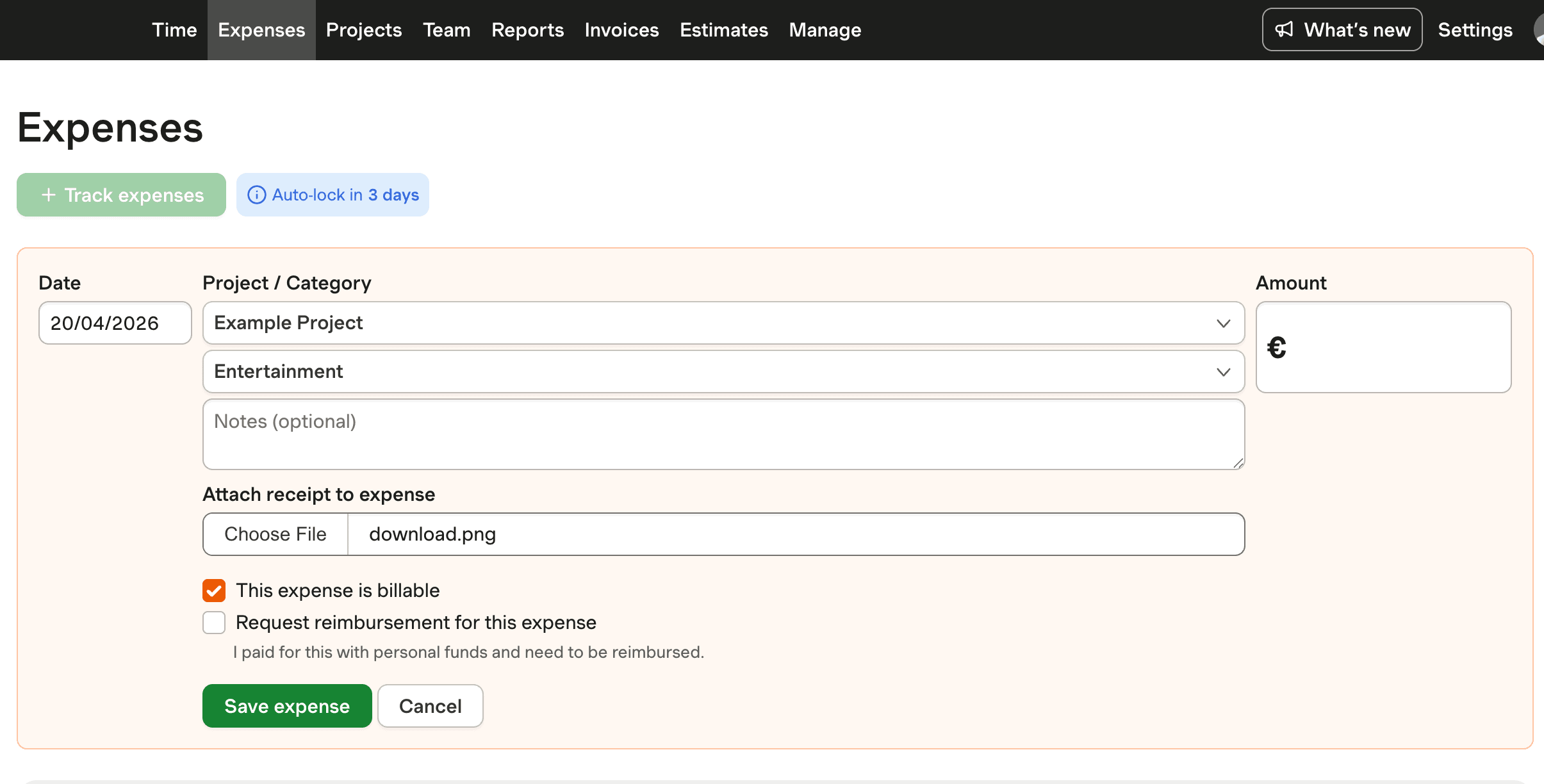
Harvest enables manual entry of mileage expenses, ensuring accurate records for audits and tax deductions. Track expenses efficiently.

Screenshot of Harvest's mileage expense tracking feature.

Travel Mileage Log FAQs

  • The IRS requires detailed records for each business trip, including the date, starting location, destination, business purpose, and total miles driven. While the format can vary, accuracy and completeness are essential.

  • To create a mileage log, record each trip's date, start and end locations, business purpose, and total miles. Use tools like Harvest to organize these entries and ensure they meet compliance standards.

  • Digital mileage logs offer greater accuracy and efficiency compared to paper logs. They reduce errors, save time, and improve compliance by providing GPS-verified records and easier data organization.

  • Harvest allows users to manually enter mileage expenses, creating a detailed log necessary for tax deductions and audits. It supports category-based tracking with a customizable per-mile rate.

  • Harvest allows setting a single rate per mileage category. While it supports manual tracking of expenses, it does not cater to different rates for various purposes like business or medical mileage.

  • Distinguishing between business and personal mileage is critical for compliance and accurate tax deductions. Incorrectly classifying trips can lead to issues during audits and affect deductions.