Sign up


Essential Elements of a DJ Contract
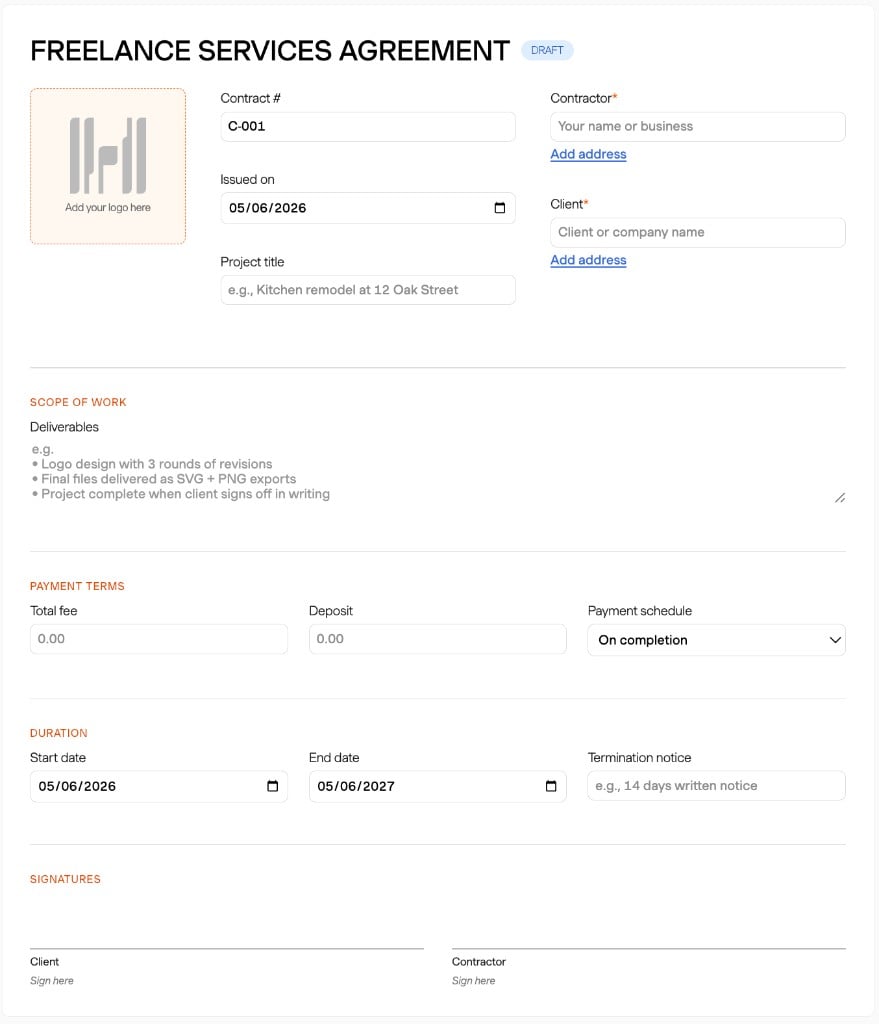
Creating a comprehensive DJ contract is crucial to ensure clear communication and protect both parties involved in an event. A well-structured contract should include several key elements, such as a detailed description of the services to be provided, including the event date, time, location, and specific music genres. Additionally, payment terms should be clearly defined, specifying deposit amounts and final payment due dates, which often include a non-refundable deposit of 25-50% upon signing.
It's also important to address potential scenarios that could affect the event, such as cancellations and unforeseen circumstances. For example, implementing a force majeure clause can protect both the DJ and the client in cases of events like natural disasters or pandemics. Legal experts recommend including detailed clauses to cover equipment responsibilities, such as what the DJ will provide versus what the client or venue must arrange. This clarity helps prevent misunderstandings, ensuring a smooth event execution.
Despite the common misconception that DJ contracts are standardized, they often vary depending on the type of event and location. For instance, weddings might require different clauses compared to corporate events. By customizing contracts to fit specific needs and circumstances, DJs can effectively manage expectations and mitigate risks, leading to more successful and professional engagements.