Sign up


Understanding the Key Elements of a Maintenance Contract
Maintenance contracts are essential legal agreements that define the terms and conditions for the upkeep, repair, and support of assets, equipment, or systems. These contracts have evolved significantly over time, shifting from reactive to predictive strategies that leverage data for more effective maintenance management. A well-structured maintenance contract can lead to substantial cost savings, with preventive maintenance strategies alone offering businesses savings of 12% to 18% on associated costs. In fact, for every dollar spent on preventive maintenance, companies can save $5 in future repair costs.
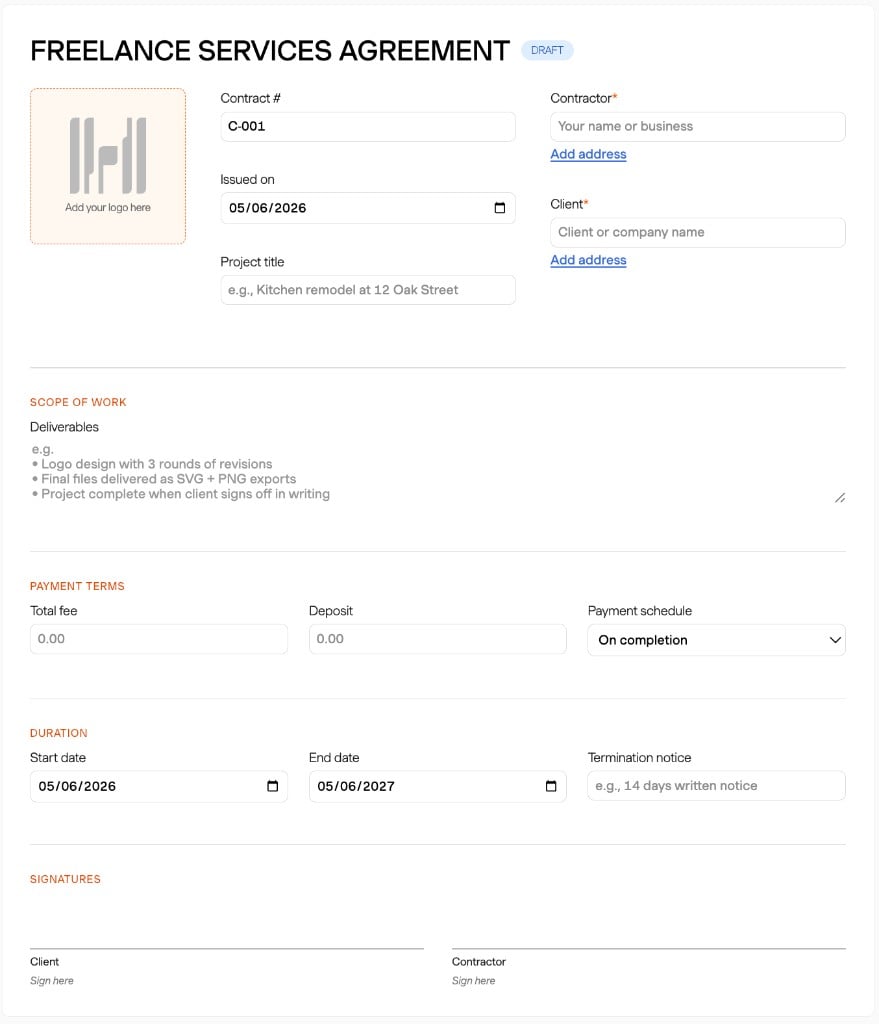
Key elements to include in a maintenance contract are comprehensive contact information, specific equipment details, a clear scope of work, defined service schedules, and transparent payment terms. Additionally, legal provisions such as liability clauses and insurance requirements are critical for ensuring both parties are protected. For example, in the United Kingdom, maintenance contracts must comply with the Consumer Rights Act 2015 and the Supply of Goods and Services Act 1982, ensuring that services are delivered with reasonable care and skill.
A successful maintenance contract should also consider industry-specific needs. For instance, in healthcare, contracts for MRI machines require stringent compliance with regulatory standards, while in manufacturing, contracts often include clauses for rapid emergency responses to prevent significant financial losses from production halts.