Sign up


Understanding the Essentials of an Engagement Letter
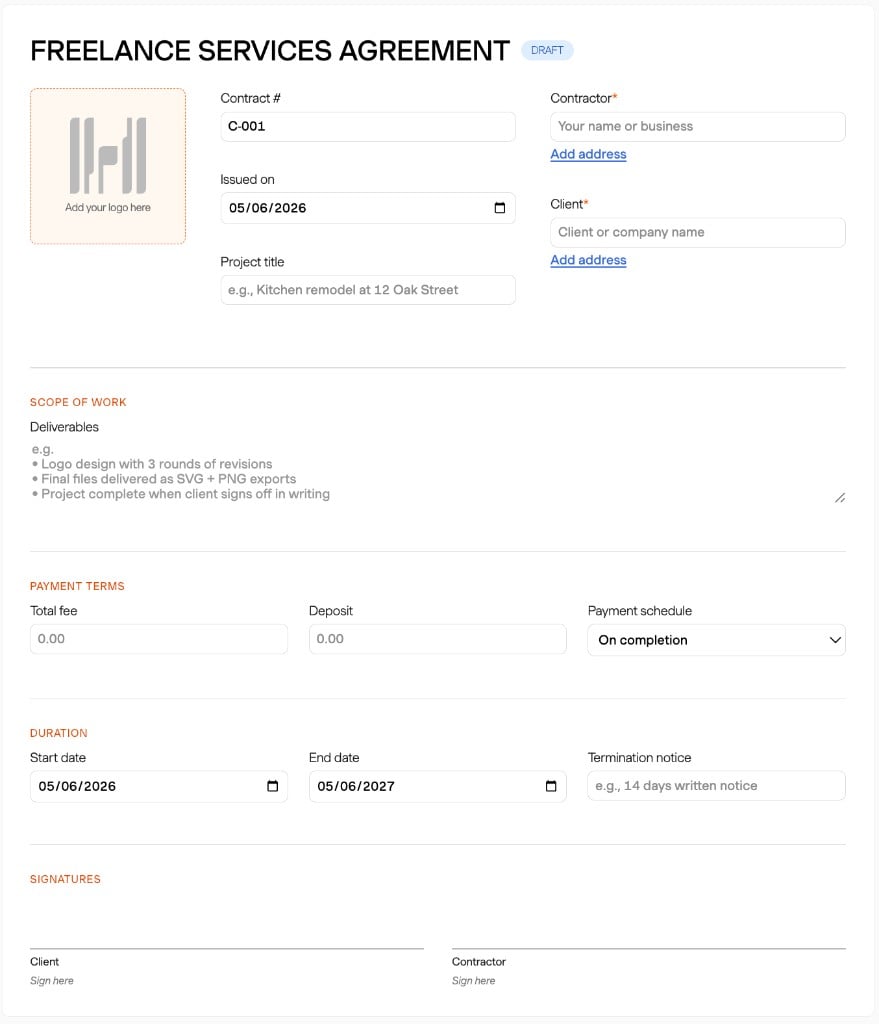
An engagement letter is more than just a formal agreement; it's a crucial document that establishes the terms and expectations between a service provider and a client. It typically outlines the scope of work, fee structure, responsibilities, and other key aspects of the professional relationship. According to industry research, around one-third of professional liability claims against CPA firms lack an engagement letter, underscoring its importance in mitigating disputes.
For the engagement letter to be legally binding, it must clearly identify the parties involved, define the scope of work, and set forth compensation terms. This document serves as a "clarity instrument," ensuring that both parties have a mutual understanding of the services and expectations. Moreover, many professional bodies recommend updating these letters annually to reflect any changes in services or fees, thus limiting liability and maintaining transparency.
While engagement letters function as contracts, they are not the same as proposals. The former solidifies the relationship and expectations, while the latter is an offer to undertake work. Ensuring clarity in an engagement letter can prevent common disputes such as scope creep and fee contention.