
Harvest
Expenses
Sign up

State Rate for Mileage

Struggling with mileage reimbursement compliance? Harvest allows you to set customizable rates for tracking mileage expenses, streamlining the process for businesses.

  • Attach receipts to projects & tasks
  • Turn tracked expenses into client invoices
  • Free 30-day trial, no credit card needed

or drag & drop • Images and PDFs, max 10 MB

Understanding State Mileage Reimbursement Rates

State mileage reimbursement rates are essential for businesses to manage travel expenses effectively. These rates are subject to annual adjustments to reflect changes in driving costs, such as fuel and vehicle depreciation. For instance, the IRS business mileage rate has increased from 67 cents per mile in 2024 to 72.5 cents per mile in 2026. This upward trend underscores the importance of staying updated with the latest rates to ensure compliance and proper financial planning.

While some states, like New York, align their reimbursement rates with the federal standard, others, such as California, leave it to private employers to set their rates, often using the IRS figure as a benchmark. This variability can influence how businesses structure their reimbursement policies. Adopting tools like Harvest can simplify mileage tracking, although users must independently handle state-specific compliance.
Key Considerations for Implementing Mileage Reimbursement

Effective mileage reimbursement policies should account for both federal guidelines and state-specific requirements. The IRS mandates that reimbursements adhere to an "accountable plan" to be tax-free, involving accurate mileage logs and documentation. This means businesses must maintain detailed records, such as the trip date, odometer readings, and the business purpose, for up to three years.

Harvest facilitates mileage expense tracking by allowing customizable rates, which can be tailored to match the IRS standard or a company's preferred rate. However, it is crucial for users to manage compliance with state-specific regulations independently. This involves understanding local laws that might necessitate different rates or documentation, particularly in states like California, where employer reimbursement obligations are specified by law.

Automating Mileage Tracking for Efficiency

Manual mileage tracking can lead to overestimation, with studies indicating that individuals often inflate distances by up to 15%. This not only affects reimbursement accuracy but can also result in compliance issues. Automating mileage tracking can save businesses significant time, reducing manual entry errors and enhancing accuracy.

Harvest supports automated mileage tracking by offering tools that integrate with existing expense reporting systems. While it does not provide state-specific compliance features, its ability to set custom mileage rates and streamline data integration with payroll and accounting systems helps businesses maintain efficiency and accuracy. Reports suggest that businesses could save up to 21 hours annually per employee by automating these processes.

Developing a Comprehensive Mileage Reimbursement Policy

Creating a clear and comprehensive mileage reimbursement policy is foundational for effective expense management. Such a policy should outline eligible trips, reimbursement rates, and documentation requirements. This clarity helps prevent disputes and ensures that employees understand the process.

Harvest aids in defining reimbursement rates that align with a company's policies, though users must still establish state-specific documentation processes. Implementing automated tracking solutions, like those offered by Harvest, can further enhance the accuracy and efficiency of mileage reporting, aligning with best practices that emphasize detailed record-keeping and policy transparency.

Track Mileage Expenses with Harvest

See how Harvest helps manage mileage expenses using customizable rates to ensure compliance with IRS and state guidelines.

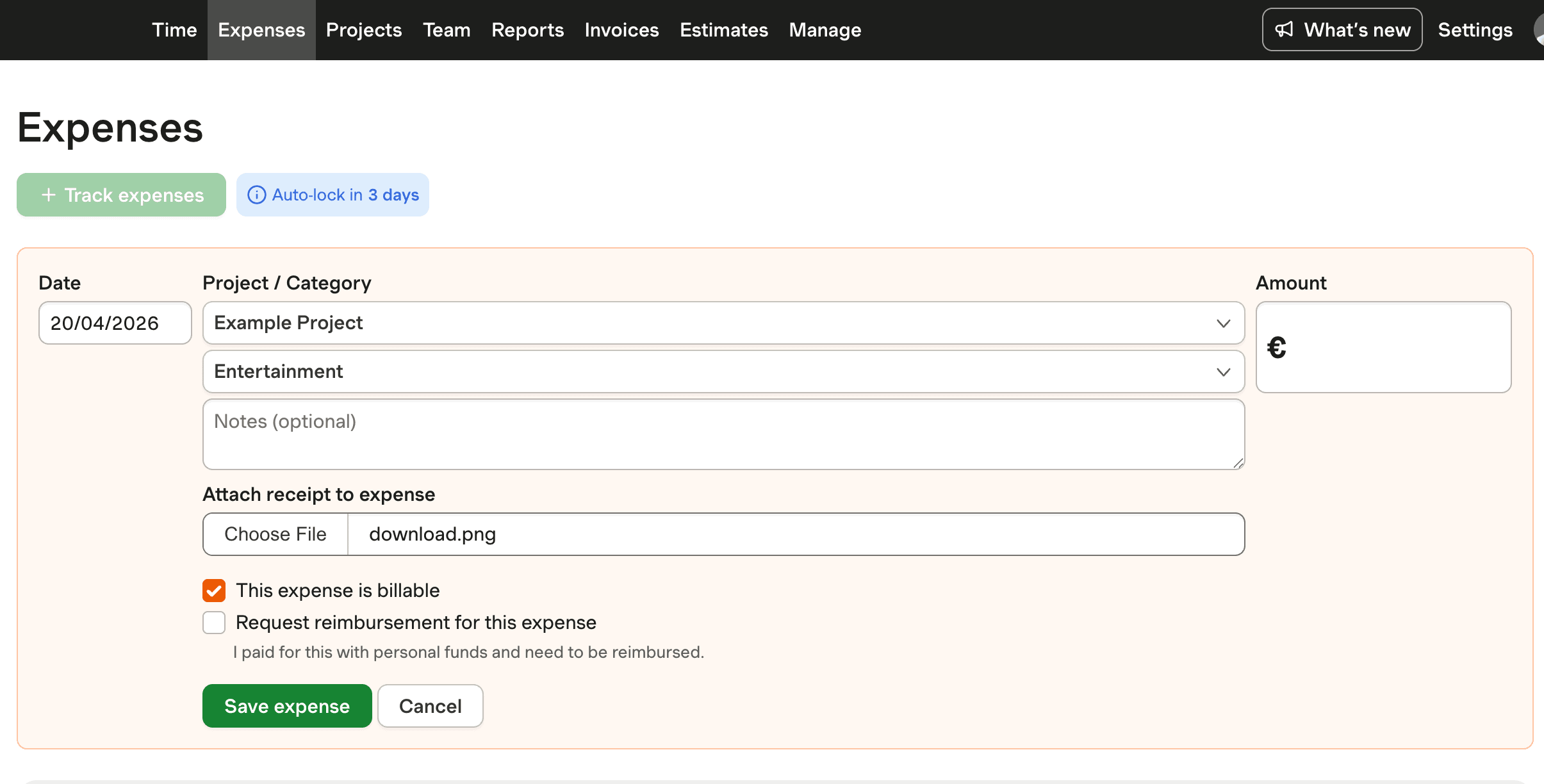
Harvest dashboard showing mileage expense tracking features.

State Rate for Mileage FAQs

  • The IRS mileage reimbursement rate for business travel is 72.5 cents per mile for 2026. This rate is regularly updated to reflect changes in vehicle operating costs.

  • State mileage rates may align with or differ from the IRS standard rate of 72.5 cents per mile. Some states use the IRS rate as a benchmark, while others set their own rates.

  • To comply with IRS regulations, businesses must maintain detailed mileage logs, including trip dates, purpose, distances, and odometer readings. These records should be kept for at least three years.

  • Harvest allows administrators to set custom mileage rates and automate tracking, integrating with expense reporting systems to enhance accuracy and streamline processes.

  • While Harvest allows for setting custom mileage rates, users need to independently manage state-specific compliance and documentation requirements.

  • Mileage reimbursement rates are typically updated annually, with possible mid-year adjustments to account for fluctuations in operating costs like fuel and depreciation.

  • Automating mileage tracking reduces errors, prevents overestimations, and saves time. Reports show businesses can save up to 21 hours per employee annually by automating these processes.

  • An accountable plan requires that mileage reimbursements have a clear business purpose, proper documentation, and do not exceed actual expenses. This ensures reimbursements remain tax-free.