What Should I Include in an Invoice Email?
An invoice email should contain essential components to ensure clarity and professionalism. Begin with a clear subject line that includes the invoice number and the due date, such as "Invoice #12345 Due on [Date]." Within the email body, include the invoice number, the due date, payment terms, and your contact information. These elements help set expectations and provide your client with all necessary details at a glance.
It's crucial to attach the full invoice as a PDF rather than pasting it into the email body. This ensures that the invoice is easily accessible and properly formatted when opened across different devices and email clients. According to planergy.com, best-in-class accounts payable departments spend significantly less on processing when adopting electronic invoicing methods.
Remember to include a personalized greeting and a brief note summarizing the invoice details, such as the services provided or products sold. Mention any payment terms, like late fees, to avoid confusion. Providing multiple payment options, such as credit card, bank transfer, or PayPal, can also help facilitate faster payments. This approach not only increases the likelihood of timely payments but also enhances your professional image.
How to Structure an Invoice Email for Clarity
Structuring your invoice email for clarity involves organizing the information in a logical, easy-to-read format. Start with a succinct subject line that immediately informs the recipient of the email's purpose. For instance, "Invoice #67890 for Consulting Services Due [Date]." This helps the client prioritize and sort their communications efficiently.
In the body of the email, begin with a personalized greeting. Personalization can increase open rates significantly, fostering a better client relationship. Clearly state the purpose of the email in the first paragraph, such as "Please find attached invoice #67890 for consulting services provided in August." This ensures the recipient knows exactly what to expect without having to search through lengthy text.
List the key details next: the invoice number, total amount due, payment due date, and accepted payment methods. This can be done in bullet points or a concise table format to enhance readability. Closing with your contact information invites clients to reach out if they have questions, reinforcing a professional and approachable demeanor. According to billtrust.com, a well-structured email not only facilitates faster payments but also reduces the back-and-forth communication often required to clarify details.
Best Practices for Writing Invoice Emails
Writing effective invoice emails requires a blend of professionalism, clarity, and personalization. Start by using a professional tone throughout the email. While it’s important to be courteous, avoid overly formal language that might seem impersonal or cold. Personalizing your message, such as addressing the recipient by name, can increase email open rates by 26%, according to snsinsider.com.
A catchy and informative subject line is crucial—it should include the invoice number and a brief description of the service or product, along with the due date. This helps your email stand out in the recipient’s inbox. Avoid jargon or complex terms in the email body, opting instead for straightforward language that clearly conveys the necessary information.
Additionally, ensure the email includes all relevant details such as the invoice amount, due date, and payment methods. This minimizes the chance of follow-up queries, which can delay payment. Finally, consider using email templates if you send invoices frequently. This not only saves time but ensures consistency and reduces the risk of errors. By implementing these strategies, you can enhance the efficiency of your billing process and improve client satisfaction.
Examples of Effective Invoice Emails
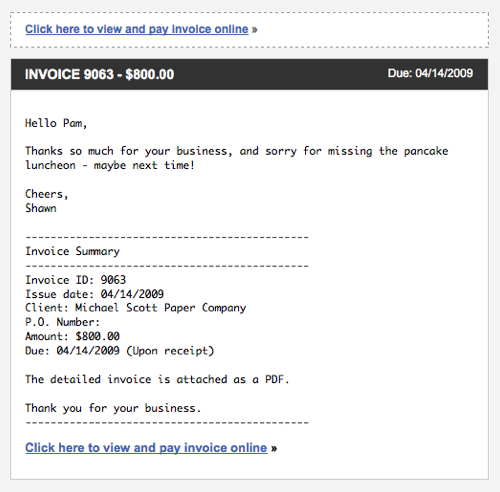
Analyzing effective invoice email examples can provide valuable insights into crafting your own. A good invoice email typically starts with a direct subject line like "Invoice #23456 for Web Development Services Due [Date]." This immediately informs the client about the content and urgency of the email.
In the tech industry, where precision is key, companies like those using accounts payable automation are leading the way in e-invoicing. These businesses often use clear and concise language, outlining the invoice details succinctly to avoid confusion. According to invoicesandcustomers.com, automation in invoicing leads to significant cost savings, often reducing the cost per invoice to as little as a few dollars.
An example template might include a personalized greeting, followed by a brief explanation of the invoice, such as "Attached is Invoice #23456 for services rendered in September." It concludes with payment instructions and a thank you note, reinforcing professionalism and appreciation. By studying these examples, you can tailor your invoice emails to be both effective and client-friendly, ensuring smoother transactions and a positive business relationship.
Common Mistakes to Avoid in Invoice Emails
When crafting invoice emails, it's crucial to avoid certain common pitfalls that can delay payments and strain client relationships. One frequent mistake is providing unclear payment instructions. Clients should never have to guess how to pay you—be explicit about accepted payment methods and due dates. According to sana-commerce.com, unclear invoice emails can directly lead to delayed payments or disputes.
Another error is using overly complex language. Simplicity and clarity are your best friends in business communication. Avoid jargon or overly formal language that might confuse the recipient. Instead, use straightforward terms that clearly convey the necessary information.
Additionally, attaching the invoice as a PDF rather than embedding it within the email is a best practice. This ensures that the document is easily accessible and formatted correctly across different devices and email clients. Failing to do so can result in formatting issues that make the invoice difficult to read, potentially delaying payment.
By addressing these common mistakes, you can significantly improve the effectiveness of your invoice emails. Clear, concise communication not only speeds up the payment process but also fosters a positive relationship with your clients. Investing a little time in perfecting your email format can lead to better cash flow and happier customers.
What is the Best Subject Line for an Invoice Email?
Crafting the perfect subject line for an invoice email is vital to ensuring it is opened and read promptly. A compelling subject line should be clear, concise, and informative. According to constantcontact.com, personalization in subject lines can increase open rates by 26%, so consider including the recipient's name or company.
A good subject line might look something like "Invoice #12345 for March Services – Due April 15." This format provides all the essential details: the invoice number, a brief description of the service, and the due date. Avoid using language that could trigger spam filters, such as "urgent" or "final notice," unless absolutely necessary.
It's also worth mentioning that the first impression counts. The subject line is often the first thing your client will see, so it needs to convey importance without being alarmist. Keeping it professional yet straightforward can help set the tone for the rest of the communication.
Experimenting with variations can also be beneficial. Test different formats to see which ones yield the best open rates for your specific audience. Regularly reviewing and optimizing your subject lines can lead to more timely payments and fewer follow-up emails.
How to Follow Up on an Unpaid Invoice Email
Following up on an unpaid invoice requires a strategic approach to ensure timely payment without damaging client relations. The timing, tone, and content of your follow-up email are critical. Generally, it's a good practice to send a gentle reminder a few days after the due date has passed. According to billtrust.com, businesses using e-invoicing have reported a 4.8% drop in late payments, underscoring the effectiveness of timely follow-ups.
Start your email with a polite greeting and mention the invoice number and due date again. Clearly state that the payment is overdue and inquire if there were any issues with the invoice or payment process. Offering a direct link to pay or including payment details again can facilitate a quicker resolution.
Tone is important. Maintain professionalism and avoid sounding accusatory. A sentence like "Just a friendly reminder that Invoice #12345 was due on April 15" can be both effective and considerate. If no response is received, consider following up again after another week, gradually increasing the firmness of your reminders.
Ultimately, the goal is to resolve the situation amicably and efficiently. By being persistent yet polite, you increase your chances of recovering the owed amount while preserving a positive business relationship.
Getting Started: Actionable Steps for Better Invoice Emails
Improving your invoice emails involves taking actionable steps that can be implemented immediately. Start by ensuring that every email includes a clear and informative subject line. As discussed, a format like "Invoice #12345 for March Services – Due April 15" effectively communicates essential details upfront.
Next, focus on the email body. Begin with a personalized greeting and a succinct explanation of the email's purpose. Clearly list the invoice number, amount due, payment due date, and accepted payment methods. Attach the invoice as a PDF to avoid formatting errors and ensure easy access.
Another critical step is to streamline your invoicing process using digital tools. Harvest, for instance, provides integrations with popular accounting software like QuickBooks and Xero, which can automate your invoicing tasks and reduce manual errors. Automating these tasks not only saves time but also minimizes disputes and enhances the accuracy of your financial records.
Lastly, set up a regular follow-up schedule for unpaid invoices. Start with a gentle reminder a few days after the due date, and become progressively firmer if no response is received. By implementing these strategies, you can improve the efficiency and effectiveness of your invoice emails, leading to faster payments and better cash flow management.
Frequently Asked Questions
How to send an invoice email to a client?
To send an invoice email to a client, attach the invoice document and write a clear message in the body. Start with a polite greeting, mention the invoice number, and specify the due date. Ensure the subject line is concise and informative, such as 'Invoice #12345 from [Your Company Name]'. This helps your client identify the purpose of the email quickly.
How do I write an email about an invoice?
When writing an email about an invoice, include the invoice as an attachment and avoid pasting it in the email body. Start with a friendly greeting, clearly state the invoice number and due date, and provide any necessary payment instructions. A concise subject line, like 'Invoice #12345 Due on [Due Date]', will help your client prioritize the email.
What is a nice message to put on an invoice?
A nice message to include on an invoice could be: 'Thank you for your business, [Client's Name]! We appreciate your prompt payment of Invoice #12345, due on [Due Date]. If you have any questions or concerns, please don’t hesitate to reach out. We look forward to continuing our partnership!' This message fosters goodwill and encourages timely payment.


