What Is an Invoice Write Off?
An invoice write-off is a vital accounting procedure used to remove uncollectible invoices from a company’s accounts receivable. This action acknowledges these invoices as bad debt expenses, which has significant implications for financial statements and tax reporting. When a business decides an invoice cannot be collected, the write-off process helps clean up the balance sheet and offers a more accurate financial picture.
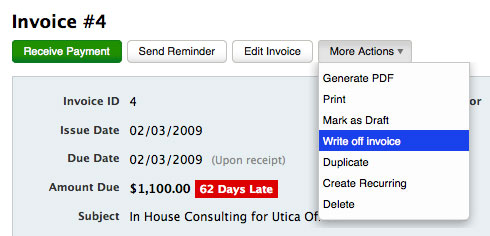
Different accounting software systems offer various methods for writing off invoices. In QuickBooks, for example, you can create a credit memo or a journal entry to adjust the balance. Xero allows you to manually mark an invoice as bad debt, and you can set up an expense account for write-offs. FreshBooks simplifies the process with a "Write Off" button directly on the invoice page, making it a straightforward task of clicking a few options to complete the write-off.
Each platform comes with its unique steps and features, so it’s crucial to familiarize yourself with the specific software your business uses. QuickBooks may require more manual entries compared to Xero's integrated write-off function. FreshBooks’ user-friendly interface is ideal for small businesses looking for simplicity. Tailor your choice of software based on your business size, the complexity of your invoices, and the level of control you need over financial reporting.
According to a report by stampli.com, automation in accounts receivable can significantly reduce bad debt write-offs by up to 15%. This underscores the importance of leveraging technology to streamline the write-off process, saving time and reducing financial losses.
What Qualifies as a Write Off?
For an invoice to qualify as a write-off, it must meet specific criteria, primarily centered around the notion of uncollectibility. The invoice generally must be considered a bad debt, meaning the business has exhausted all reasonable collection efforts without success. This process is crucial for ensuring accurate financial reporting and maintaining compliance with accounting standards.
Uncollectibility often arises from circumstances such as customer bankruptcy, the confirmed inability to pay, or situations where the cost of collection exceeds the debt itself. Businesses must classify these invoices under business debt to adhere to tax and accounting regulations. According to the IRS, a bad debt deduction can only be claimed when a debt is deemed worthless within the tax year.
It's a common misconception that any overdue invoice qualifies as a write-off. In reality, businesses must document all collection efforts and prove that the debt is uncollectible. This documentation is not just for internal records but also for compliance with tax authorities. Keeping thorough records of communication attempts, such as emails and phone calls, is essential.
In the context of industry standards, the highradius.com highlights that automation and AI tools can significantly assist in identifying potential write-offs by analyzing payment patterns and customer behaviors. This proactive approach can help businesses manage their accounts more effectively and reduce the number of write-offs over time.
Implications of Writing Off Invoices on Taxes
Writing off invoices has direct implications on your taxes, as these write-offs can impact both your deductions and financial statements. When you write off an invoice, it is recognized as a bad debt expense, which can potentially reduce your taxable income. This deduction is beneficial for many businesses, but it requires careful management to ensure compliance with tax regulations.
The IRS mandates that businesses must demonstrate that reasonable steps have been taken to collect the debt before it can be written off as worthless. This means maintaining detailed records of collection attempts, such as emails, phone calls, and any formal communication with the debtor. Only then can the write-off be used to adjust taxable income for the year in which the debt is deemed worthless.
Tax implications also vary depending on local regulations. For instance, in the UK, VAT bad debt relief allows businesses to reclaim VAT on uncollectible invoices, provided certain conditions are met, such as the debt being more than six months old. Similar provisions exist in other jurisdictions, each with its specific rules and timelines.
According to zenwork.com, businesses must also consider the implications of the Current Expected Credit Losses (CECL) model mandated by US GAAP, which requires estimating write-offs sooner. This means more proactive management of accounts receivable to align with both accounting standards and tax benefits.
Common Mistakes to Avoid When Writing Off Invoices
Writing off invoices might seem straightforward, but several common mistakes can undermine the process and affect your business's financial health. One frequent error is the premature write-off of invoices. Businesses often rush to write off debts without exhausting all collection avenues, which can lead to issues with tax compliance and financial reporting.
Incorrect accounting entries are another pitfall. Often, businesses fail to correctly record the write-off in their accounting systems, which can skew financial statements. It's crucial to debit the bad debt expense account and credit the accounts receivable or allowance for doubtful accounts correctly, depending on the accounting method used. Missteps here can lead to discrepancies that complicate audits and tax filings.
Another mistake is inadequate documentation. Proper documentation of all collection efforts is essential, not just for compliance but also to support potential tax deductions. Without this evidence, claiming a write-off can become problematic if audited by tax authorities.
According to leanlaw.co, implementing AR automation can mitigate these common errors by ensuring accurate and timely record-keeping. Automation tools streamline the process, reduce the risk of human error, and ensure that your business is compliant with both internal policies and external regulations. By avoiding these common pitfalls, you can maintain a healthier financial outlook and optimize your tax benefits.
Best Practices for Managing Written-Off Invoices
Effectively managing written-off invoices is crucial for maintaining accurate financial records and ensuring compliance with accounting standards. One of the most important steps is to establish a clear policy for when and how invoices should be written off. This policy should be transparent and consistently applied to prevent any confusion or mismanagement. By doing so, your business can keep its books clean and free from uncollectible debts.
It's a common misconception that once an invoice is written off, the matter is closed. In reality, thorough documentation of all collection attempts is necessary to support the write-off process. This includes maintaining records of communication with the debtor, such as emails and phone calls, as well as any legal proceedings undertaken. According to highradius.com, automated accounts receivable processes can reduce manual errors and ensure that all necessary documentation is captured efficiently.
Another best practice is to regularly review your accounts receivable aging reports. These reports help identify invoices that are overdue and may need to be written off. A proactive approach to monitoring these reports can significantly reduce the incidence of bad debts. Additionally, integrating your bad debt management with other financial processes, such as credit management, can help in assessing customer creditworthiness and reducing future write-offs.
Finally, ensure compliance by adhering to relevant accounting standards and tax regulations. For instance, under US GAAP's CECL standard, businesses are required to estimate credit losses and recognize write-offs sooner. Keeping up with these regulations not only helps in financial reporting but also maximizes potential tax benefits from write-offs. Staying informed and prepared can significantly streamline your accounting processes and maintain the financial health of your business.
Digital vs. Paper Methods for Invoice Write-Offs
When deciding between digital and paper methods for writing off invoices, it's essential to weigh the pros and cons of each approach. Digital methods leverage technology to streamline processes and often provide better accuracy and efficiency. In contrast, paper-based methods can be more traditional but may lag in efficiency and accuracy.
Digital invoice write-offs offer several advantages. For one, automation can significantly reduce manual processing costs and errors, as noted by infrrd.ai. Automated systems can cut invoice processing time by up to 80%, allowing finance teams to focus on more strategic tasks. Additionally, digital systems can easily integrate with existing financial software, providing real-time insights and streamlined reporting.
However, some businesses still prefer paper methods for their tangibility and straightforwardness. Paper records can be easier to review in certain situations, especially for those who are less comfortable with technology. Despite this, paper methods come with higher costs due to printing, storage, and labor, and pose greater risks of errors and data loss.
For most businesses, especially those with a high volume of transactions, digital methods are often the better choice. They offer scalability and can adapt to changing business needs more easily. If your business is still using paper-based methods, consider transitioning to digital to stay competitive and efficient. Evaluate your current systems and identify areas where digital tools can bring the most value, ensuring a smoother, more effective invoice management process.
Getting Started with Invoice Write-Offs: Next Steps
Beginning your journey with invoice write-offs can seem daunting, but with the right approach, it can be manageable and beneficial to your business. The first step is to develop a clear policy that outlines the criteria and process for writing off invoices. This policy should be communicated clearly to all relevant staff to ensure consistency and understanding across your organization.
Next, consider which tools will best support your write-off processes. Automation can play a significant role here. According to resolvepay.com, automation can lead to substantial savings and efficiency gains, reducing the cost of processing each invoice from an average of $8.78 to as low as $1.77.
Training your staff is another critical component. Ensure that everyone involved in the invoice management process understands the write-off criteria and the steps involved. Regular training sessions can help keep your team updated on new tools and practices, fostering a culture of continuous improvement.
As you implement these steps, consider leveraging Harvest’s tools to simplify your invoicing process. With features like one-click invoice write-offs and comprehensive reporting, Harvest can help streamline your operations and provide clear insights into your financial health. For more details, check out our invoicing features. By taking these initial steps, you'll be well on your way to efficient and effective invoice write-off management.
Frequently Asked Questions
What is an invoice write off?
An invoice write-off is an accounting process where a business recognizes that a customer's unpaid invoice is uncollectible. This involves removing the invoice from the accounts receivable and categorizing it as a bad debt expense. Write-offs are essential for maintaining accurate financial records and ensuring that the company's financial health is accurately represented.
How do you write off an invoice?
To write off an invoice, first confirm that it is uncollectible, usually after several attempts to collect payment. Then, adjust your accounting records by removing the invoice from accounts receivable and recording it as a bad debt expense. Many accounting software solutions now include features that automate this process, making it more efficient.
What qualifies for a write off?
An invoice qualifies for a write-off when it is deemed uncollectible, typically after being overdue for an extended period, such as 90 days or more. Factors like customer insolvency, disputes, or bankruptcy can also contribute to a write-off decision. It's important to document efforts made to collect the debt before proceeding with a write-off.
Can you write off invoices on taxes?
Yes, you can write off unpaid customer invoices on your taxes, but specific criteria must be met. The unpaid invoice must qualify as 'bad business debt,' which means it must be a legitimate business expense that cannot be collected. Proper documentation and adherence to tax regulations are crucial to ensure compliance when claiming these write-offs.


