What is Time Tracking Software for CPA Firms?
Time tracking software for CPA firms is a specialized tool designed to efficiently capture and manage billable hours, streamline client invoicing, and enhance overall productivity. This type of software provides accountants with the ability to track time spent on various tasks accurately, ensuring that every minute of billable work is recorded and accounted for. Additionally, it facilitates better project management by providing real-time insights into how resources are allocated and utilized.
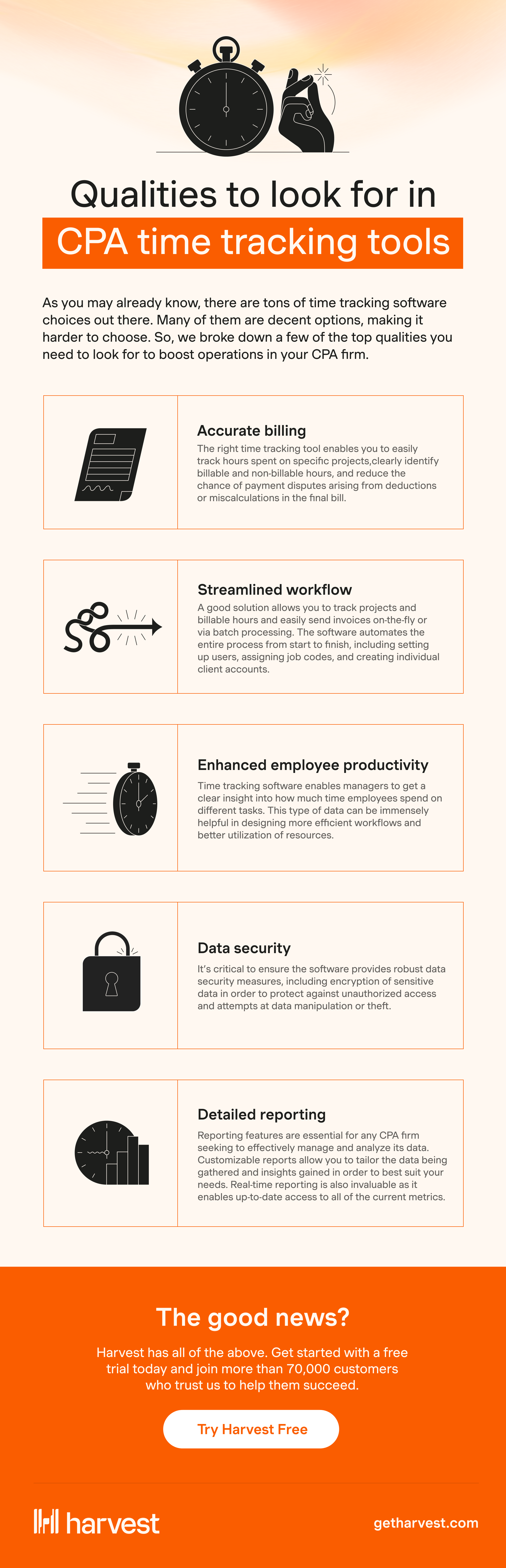
One of the key advantages of implementing time tracking software in CPA firms is the significant improvement in billing accuracy. According to deltek.com, CPA firms can capture up to 20-30% more billable hours within the first 90 days of implementation. This translates into increased revenue and improved cash flow. Moreover, by reducing the time required to generate invoices, firms can accelerate their billing cycles, which is crucial in maintaining a steady cash flow.
To effectively implement a time tracking system, CPA firms should focus on selecting the right tool that integrates seamlessly with existing accounting software and provides comprehensive training for employees. A phased implementation approach is recommended, starting with stakeholder involvement to ensure the system meets the firm's needs. Providing training and ongoing support can help employees adapt to the new system and maximize its benefits. By communicating the value of time tracking and addressing any concerns, firms can foster a culture of transparency and efficiency.
Key Features to Look for in Time Tracking Software
When selecting time tracking software for a CPA firm, certain features are essential to maximize productivity and streamline operations. One must-have feature is integration capabilities. Effective time tracking software should seamlessly integrate with existing accounting, project management, and CRM systems. This ensures data flows smoothly across platforms, reducing manual entry and potential errors.
Another critical feature to consider is mobile access. In today's dynamic work environment, accountants often need to work remotely or on-the-go. Mobile access allows employees to track time from anywhere, ensuring accurate data input regardless of location. This flexibility not only aids in capturing all billable hours but also supports a more adaptable and responsive work approach.
Detailed reporting functions are also vital. According to timerewards.com, robust reporting capabilities allow firms to analyze time data, enhancing their ability to make informed decisions about resource allocation and project profitability. Such features are indispensable for identifying efficiency gains and ensuring compliance with regulations like the FLSA or GDPR. By choosing time tracking software with these key features, CPA firms can improve their operational efficiency and ensure they are equipped to meet the demands of modern accounting practices.
Comparison of Popular Time Tracking Tools for Accountants
In the crowded market of time tracking tools, selecting the right software for accountants can be a daunting task. To assist in making an informed decision, it's useful to compare popular options based on features, usability, and cost. Tools like QuickBooks Time, Xero Projects, and Harvest each offer unique advantages for accountants.
QuickBooks Time is known for its robust integration with QuickBooks accounting software, making it particularly appealing for firms already using QuickBooks for financial management. It offers features such as GPS tracking for mobile workforces and seamless integration with payroll systems, which can significantly streamline operations.
Xero Projects, on the other hand, provides a straightforward interface and is ideal for firms seeking a user-friendly, cost-effective solution. It excels in providing project-based time tracking with real-time visibility into project performance and profitability. This can be particularly beneficial for smaller firms or those focused on project management.
Harvest stands out with its comprehensive feature set that includes one-click timers, detailed reporting, and integrations with over 50 tools like Asana and Jira. According to getharvest.com, Harvest is favored by over 70,000 teams for its ability to reduce billing disputes by 25% through accurate time tracking. For firms looking for a comprehensive solution that integrates well with other business processes, Harvest could be an excellent choice.
Each tool offers distinct benefits, and the best choice depends on the specific needs of the firm, such as existing software ecosystems, budget constraints, and the level of detail required in reporting. Evaluating these factors can help accountants select a tool that enhances their practice's efficiency and profitability.
How Do Accountants Track Their Time?
Accountants have a variety of methods at their disposal for tracking time, ranging from traditional manual processes to advanced automated software solutions. While manual time tracking involves recording hours in spreadsheets or physical logs, this method is often prone to inaccuracies and inefficiencies due to reliance on memory and delayed entries.
The shift towards automated time tracking software has been significant in the accounting industry. These tools not only facilitate real-time tracking but also integrate seamlessly with other business systems, such as project management and billing software. Automated systems can help accountants capture more accurate data, leading to better billing practices and enhanced client trust.
Despite the benefits of automation, some firms still hesitate to make the switch due to misconceptions about costs or complexity. However, evidence suggests that the financial impact of not adopting time tracking software can be substantial. For instance, minutedock.com reports that firms can lose over $60,000 per employee annually due to missing or inaccurate timesheets.
Ultimately, the decision of how to track time should be based on the firm's specific needs and willingness to invest in technology that enhances accuracy and efficiency. For those still relying on manual methods, transitioning to automated solutions could be a strategic move to boost profitability and streamline operations.
Common Mistakes to Avoid in Time Tracking
Implementing time tracking systems in CPA firms can be riddled with pitfalls if not managed properly. One frequent mistake is relying on manual methods such as spreadsheets or memory recall, which are prone to inaccuracies and inefficiency. This often leads to delayed entries and a decrease in the accuracy of recorded hours. According to timerewards.com, the accuracy of time entries significantly declines after 24 hours due to memory decay. To avoid this, firms should implement dedicated time tracking software that encourages real-time entry.
Another common issue is the lack of clear definitions between billable and non-billable activities. This can lead to confusion and potential disputes with clients over billing. It's crucial for firms to establish clear guidelines and provide specific examples of what constitutes billable work. This clarity not only helps in accurate billing but also in maintaining client trust by demonstrating transparency.
Moreover, "task creep" is another challenge where new tasks are constantly added to a daily to-do list without re-prioritization. This can lead to feeling overwhelmed and losing focus on current priorities. One way to combat this is by adopting a system where new tasks are assessed for urgency and added to a later agenda unless they are truly immediate. This method ensures that the focus remains on completing high-priority tasks and improves overall productivity. By addressing these common pitfalls, CPA firms can enhance their time tracking accuracy and efficiency, ultimately leading to more streamlined operations and increased profitability.
Getting Started with Time Tracking: Next Steps for CPAs
Starting with time tracking can seem daunting for CPA firms, but it doesn't have to be. The first step is to set clear goals for what you want to achieve with time tracking. Are you looking to improve billing accuracy, enhance productivity, or better understand resource allocation? Once these goals are defined, they can guide the selection of the right software and processes to implement.
When selecting time tracking software, consider tools that integrate seamlessly with your existing systems, such as accounting or CRM software. This integration can eliminate data silos and streamline workflows, as seen with automated invoice generation, which can reduce time-to-bill by over 50% according to minutedock.com. Tools like Harvest offer such integrations, making them a practical option for many CPA firms.
Monitoring your progress is another crucial step in implementing time tracking effectively. Regularly review the data collected to identify patterns, inefficiencies, and opportunities for improvement. This continuous assessment allows for adjustments to be made, ensuring that the time tracking system remains aligned with your firm's objectives. By following these steps, CPA firms can effectively begin their journey with time tracking, leading to more informed decision-making and enhanced operational efficiency.
Frequently Asked Questions
What is the best time tracking software for CPA firms?
The best time tracking software for CPA firms includes options like TSheets, Harvest, and ClockShark. These tools are tailored for accounting needs, offering features like automated time capture, integration with accounting software, and detailed reporting. Selecting the right software depends on your firm's size, specific requirements, and budget.
How can time tracking improve billing accuracy for accountants?
Time tracking improves billing accuracy by ensuring that all billable hours are captured and recorded promptly. With precise time entries, accountants can avoid revenue leakage and ensure clients are billed correctly for services rendered. This not only enhances client trust but also boosts the firm's overall profitability by maximizing billable hours.
What are the challenges of implementing time tracking in CPA firms?
Challenges of implementing time tracking in CPA firms include resistance from staff, the need for training, and ensuring consistent usage. Employees may feel overwhelmed by new processes, leading to incomplete time entries. Additionally, integrating time tracking with existing systems can be complex, requiring careful planning and support.
How does time tracking software integrate with accounting systems?
Time tracking software integrates with accounting systems through APIs or built-in connectors, allowing seamless data transfer between platforms. This integration helps automate invoicing, reduces manual entry errors, and provides real-time insights into billable hours. By consolidating data, firms can streamline workflows and enhance overall operational efficiency.


