What Is an Hourly Rate Calculator with Benchmark Data?
An hourly rate calculator with benchmark data is an essential tool for professionals aiming to establish competitive pricing for their services. It combines the traditional calculation of hourly rates with industry-specific benchmark data, providing a more comprehensive view of where a business or freelancer stands in the current market. This tool can help adjust rates to ensure competitiveness and fairness, vital in attracting and retaining clients.
In professional services, there's a noticeable shift towards outcomes-based pricing, which emphasizes results over time spent. For example, a prominent consulting firm has shifted approximately 25% of its global fees to this model by late 2025 quantidegrowth.com. This trend is accelerated by the rise of AI technologies that help commoditize traditional time-based work.
Using a calculator with benchmark data not only helps in setting a fair hourly rate but also ensures that these rates align with broader industry trends and client expectations. This approach aids professionals in not just setting a price but also understanding the value they provide. By leveraging benchmark data, they can avoid underpricing their services, which often leads to a race to the bottom, or overpricing, which might drive potential clients away. Overall, such tools are invaluable for maintaining a balance between competitiveness and profitability in a rapidly changing business environment.
How to Effectively Set Hourly Rates
Setting the right hourly rate requires a thoughtful approach. Start by evaluating your skills and experience. Are you a seasoned professional or just starting out? Your level of expertise can significantly influence your rates. Understanding the demand for your services is another crucial step. High demand can allow for higher rates, while entering a saturated market might require more competitive pricing.
One common mistake is relying on outdated salary surveys or broad national averages. This can lead to misaligned rates that don't resonate with your local market or industry specifics. Instead, use market-specific data that considers geography, industry, skill level, and demand cycles. According to experts, this nuanced approach is crucial for accurate compensation benchmarking futuresense.com.
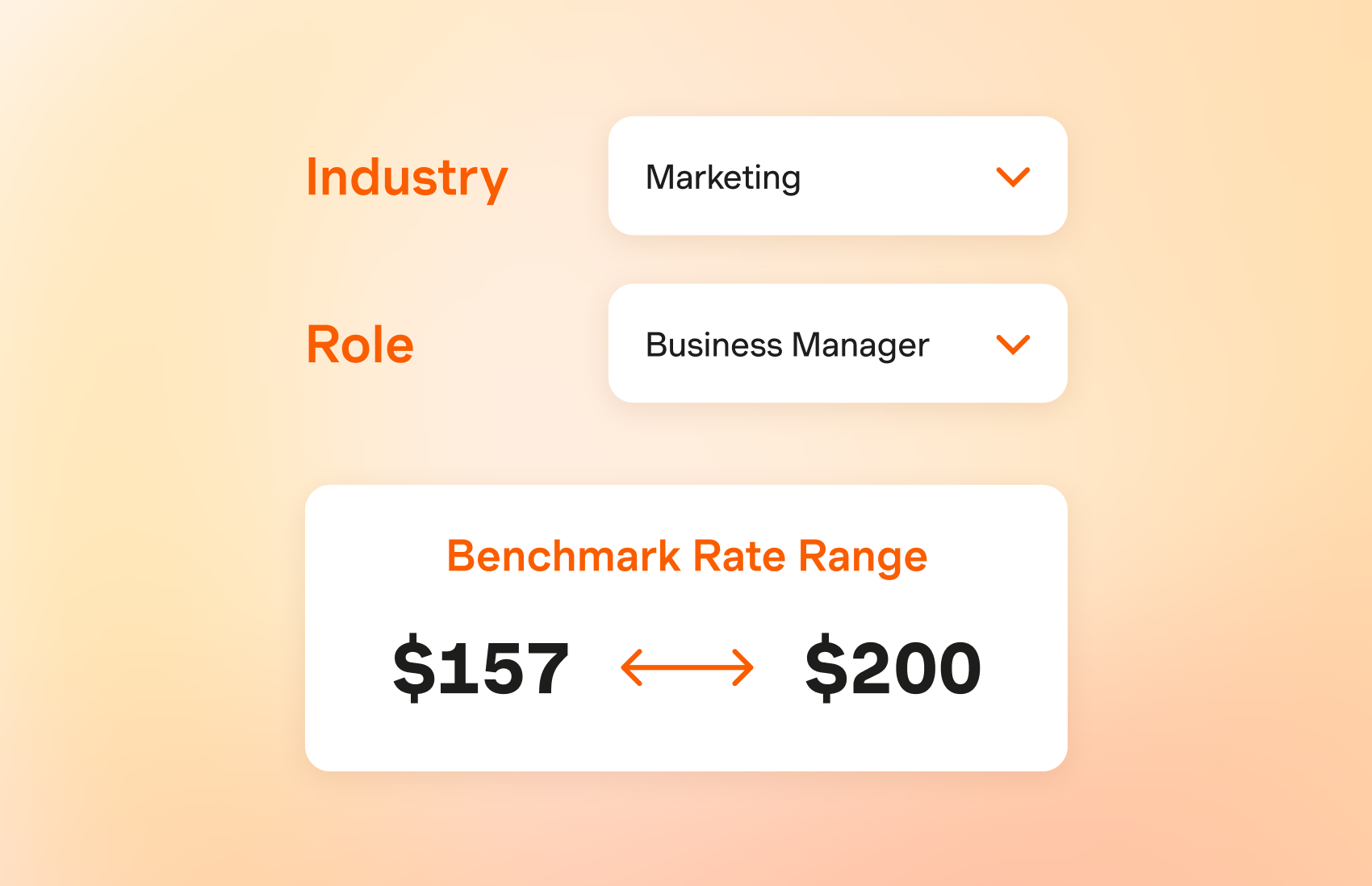
Benchmark data is invaluable in this process. It allows you to compare your rates with industry standards, ensuring you are neither undervaluing nor overestimating your worth. For instance, Harvest provides a hourly rate calculator that incorporates real-world data from thousands of users, offering insights into median rates by role and industry. This helps you make informed decisions about your pricing strategy. By following these steps, you can set hourly rates that reflect your value and align with market realities.
Factors Affecting Hourly Rates
Several factors can significantly impact your hourly rates, from geographical location to industry standards and economic conditions. For instance, living in a high-cost area like San Francisco or Seattle often necessitates higher rates due to increased living expenses. Moreover, different industries have varying pay scales based on their demand and profitability.
Experience and expertise also play a critical role. A seasoned professional with a robust portfolio can command higher rates than someone new to the field. This is particularly evident in industries such as tech, where specialized skills are in high demand. Additionally, economic conditions such as inflation or recession can impact how much clients are willing to pay for services, affecting your ability to adjust rates.
Another critical factor is the legal and compliance landscape. In the European Union, for example, employers are required to include pay ranges in job ads, highlighting the need for transparent and fair compensation practices minimumwage.com. This regulatory environment can influence hourly rates by ensuring that they meet legal standards and remain competitive.
Understanding these factors can help you set rates that are both competitive and compliant. By considering your unique circumstances and the broader economic and legal environment, you can strategically position your services in the market.
Digital vs. Paper Methods for Calculating Rates
When it comes to calculating hourly rates, digital methods far surpass traditional paper-based approaches in terms of efficiency and accuracy. Digital calculators streamline the process by integrating real-time data and automating calculations, reducing the risk of human error that often accompanies manual paperwork.
Consider the integration capabilities of digital calculators, which can connect with software like QuickBooks or Xero. This integration allows for real-time updates on financial data, providing a more comprehensive view of your business finances. This real-time insight is something that paper methods simply can't match. Furthermore, digital tools often come with features that allow for easy adjustments as market conditions change, keeping your business agile and competitive.
On the other hand, while paper methods may seem straightforward, they often lead to inconsistencies. Without the automated checks and balances of digital systems, you risk making errors that can affect your pricing strategy. Moreover, maintaining paper records can be cumbersome and inefficient, especially as your business grows and you need to adjust rates frequently.
Overall, adopting a digital method for calculating rates not only saves time but also enhances accuracy and efficiency. As seen in a survey by EY, 96% of organizations investing in AI report productivity gains, underscoring the benefits of embracing digital solutions berkeley.edu. This efficiency makes a strong case for moving away from paper and capitalizing on the advantages of digital tools.
How to Calculate Your Hourly Rate
To calculate your hourly rate, start by understanding your costs and the income you wish to achieve. Begin by listing all your business expenses, such as software subscriptions, office supplies, and any other overhead costs. Then, consider how many billable hours you realistically work each month. Divide your total expenses by these billable hours to get a baseline hourly rate. Next, add your desired profit to ensure the rate aligns with your income goals.
Incorporating benchmark data can further refine your rate to be competitive in your industry. It's crucial to compare your baseline rate with industry standards to avoid underpricing or overpricing your services. According to morganhr.com, relying solely on outdated data can misalign your pricing strategy, so ensure your data sources are current and relevant.
For a practical example, consider how legal firms often bill in 6-minute increments to align with industry standards. This method ensures they are competitive while covering all necessary costs. Your chosen method should similarly reflect the norms in your industry while ensuring profitability.
Ultimately, your hourly rate should not just cover costs but also reflect the value you provide. By understanding your expenses, desired income, and industry benchmarks, you can set a rate that is both competitive and sustainable, ensuring your business's long-term success.
Common Mistakes to Avoid When Pricing Services
Avoiding common mistakes in pricing services is crucial for maintaining profitability and competitiveness. A frequent error is underestimating expenses, leading to a rate that doesn't cover costs. Many professionals forget to account for hidden costs like taxes, insurance, and downtime, which can erode profits if not included in the pricing.
Another common pitfall is failing to adjust rates according to market trends. As industries evolve, so should your pricing strategy. For instance, the shift towards outcomes-based pricing in consulting illustrates the need to adapt to market dynamics. According to quantidegrowth.com, a major consulting firm recently shifted 25% of its billing to outcomes-based models, showing that adapting to trends can enhance competitiveness.
Infrequent rate reviews can also lead to falling behind market standards. Regular benchmarking against current data helps ensure your rates reflect true market conditions. This approach can prevent pricing that is either too high, losing clients, or too low, diminishing profits.
By recognizing and correcting these common mistakes, you can set rates that support both profitability and competitiveness. Regularly updating your pricing strategy to reflect industry trends and ensuring all costs are covered will help maintain your business's financial health.
Comparative Analysis of Hourly Rates Across Industries
Hourly rates can vary significantly across different industries due to the nature of the work, required skill levels, and geographic location. For example, in the technology sector, rates tend to be higher due to the specialized skills required and the rapid pace of industry change. Conversely, industries like retail or hospitality may have lower rates, reflecting the different skill sets and market conditions.
To ensure your rates are competitive, it is essential to use benchmark data for comparison. According to figures.hr, using a combination of data sources is crucial for accurate benchmarking. This approach mitigates the risk of skewed results and provides a comprehensive view of industry standards.
In industries like warehousing, where efficiency is critical, some companies have moved from hourly rates to a "cost per unit" model, linking pay more directly to productivity. This trend highlights how industry-specific conditions can influence compensation strategies.
Understanding how your industry compares and contrasts with others can inform your pricing strategy. By leveraging industry-specific benchmarks and adapting to the norms within your sector, you can set rates that are both competitive and reflective of the value your services bring.
Getting Started: Using Harvest’s Hourly Rate Calculator
Harvest’s hourly rate calculator offers a straightforward way to determine competitive pricing for your services. To get started, first gather all relevant financial data, including business expenses and desired income. This information will help populate the calculator's fields accurately.
The calculator uses benchmark data from Harvest’s vast user base, providing a realistic picture of market rates. This feature ensures your rates align not only with personal financial goals but also with industry standards, helping to prevent underpricing or overpricing your services. According to minimumwage.com, using tools that integrate benchmarking data is increasingly important for maintaining competitive compensation strategies.
To use the calculator effectively, integrate it with Harvest’s time tracking and invoicing features. This integration allows you to track billable hours accurately, ensuring that your rates reflect actual work performed. Such synergy not only aids in accurate financial planning but also streamlines your entire billing process.
By starting with Harvest's calculator, you can set rates that are both competitive and aligned with your business needs. Whether you're a freelancer or managing a larger team, this tool can simplify the complex process of rate setting, providing clarity and confidence in your pricing strategy. For more details, visit Harvest’s hourly rate calculator.
Frequently Asked Questions
How do I calculate my hourly rate?
To calculate your hourly rate, divide your desired annual salary by the number of billable hours you expect to work each year. For example, if you want to earn $60,000 and plan to bill 1,500 hours, your hourly rate would be $40. This method helps ensure your earnings align with your financial goals while considering your workload.
What factors should I consider when setting my hourly rate?
When setting your hourly rate, consider your industry standards, experience level, and the complexity of the services you offer. Additionally, factor in your overhead costs and desired profit margin. Researching benchmark data can help you position your rate competitively while ensuring it reflects your value and expertise.
How do I adjust my rates based on experience?
To adjust your rates based on experience, start by evaluating your skills, qualifications, and market demand. As you gain more experience and expertise, gradually increase your rates to reflect your enhanced value. Regularly reviewing benchmark data can also provide insights into appropriate rate adjustments in your field.
What are the average hourly rates for different professions?
Average hourly rates vary widely by profession, with technical fields often commanding higher rates. For instance, software developers may charge between $50 to $150 per hour, while consultants might range from $75 to $300. Using benchmark data can help you identify competitive rates specific to your profession and region.


