What is Legal Time Tracking Software?
Legal time tracking software is a specialized tool tailored for law firms, designed to capture billable hours accurately and efficiently. Unlike general time tracking solutions, these systems are built to meet the unique needs of legal professionals, such as compliance with billing standards and integration with legal case management systems. They often include features like automatic time capture, which helps eliminate the common problem of lawyers losing up to 25% of their billable hours when they delay time entry until the end of the week, as noted by the American Bar Association.
Essential features of effective legal time tracking software include integration with legal billing systems, mobile access, and real-time timers. These capabilities ensure that attorneys can log their time from any location, whether they're in court, at a client meeting, or working remotely. Mobile access is particularly crucial, given the dynamic nature of legal work.
When comparing popular legal time tracking software options, it's important to consider their strengths and weaknesses. For instance, Clio offers comprehensive practice management integration, which is great for firms looking for an all-in-one solution. However, its complexity might be overwhelming for smaller practices. On the other hand, TimeSolv is known for its user-friendly interface and affordability, making it a good choice for smaller firms or solo practitioners. According to lawbillity.com, selecting the right software depends on a firm’s specific needs, such as the size of the firm and existing technological infrastructure.
Ultimately, the choice of legal time tracking software should align with the firm's workflow while maximizing efficiency and ensuring accurate billing.
Benefits of Time Tracking for Law Firms
Implementing legal time tracking software offers numerous benefits to law firms, particularly in terms of billing accuracy and client satisfaction. By capturing time accurately, law firms can avoid the significant revenue losses associated with manual tracking errors. For instance, missing just 15 minutes of billable time daily can lead to an estimated $18,750 in lost revenue annually for a lawyer billing $300 per hour, which can escalate significantly for larger teams.
Beyond financial implications, time tracking software enhances productivity by allowing lawyers to focus on client work rather than administrative tasks. Automated systems reduce the burden of manual data entry and minimize errors in time logs, which historically have been a challenge for law firms. According to timeminer.com, firms utilizing automated tracking tools have reported substantial time savings.
Moreover, by streamlining operations, time tracking software helps reduce administrative overhead. This allows support staff to focus on more strategic tasks, contributing to a more efficiently run law practice. It’s also worth noting that enhanced accuracy and efficiency lead to improved client trust, as clients receive detailed and precise billing statements, enhancing transparency.
Time tracking software equips law firms with the tools needed to make informed decisions about staffing, pricing strategies, and workload management. In today's competitive legal landscape, these insights are invaluable and can significantly enhance a firm's profitability and market position.
Common Mistakes to Avoid When Choosing Time Tracking Software
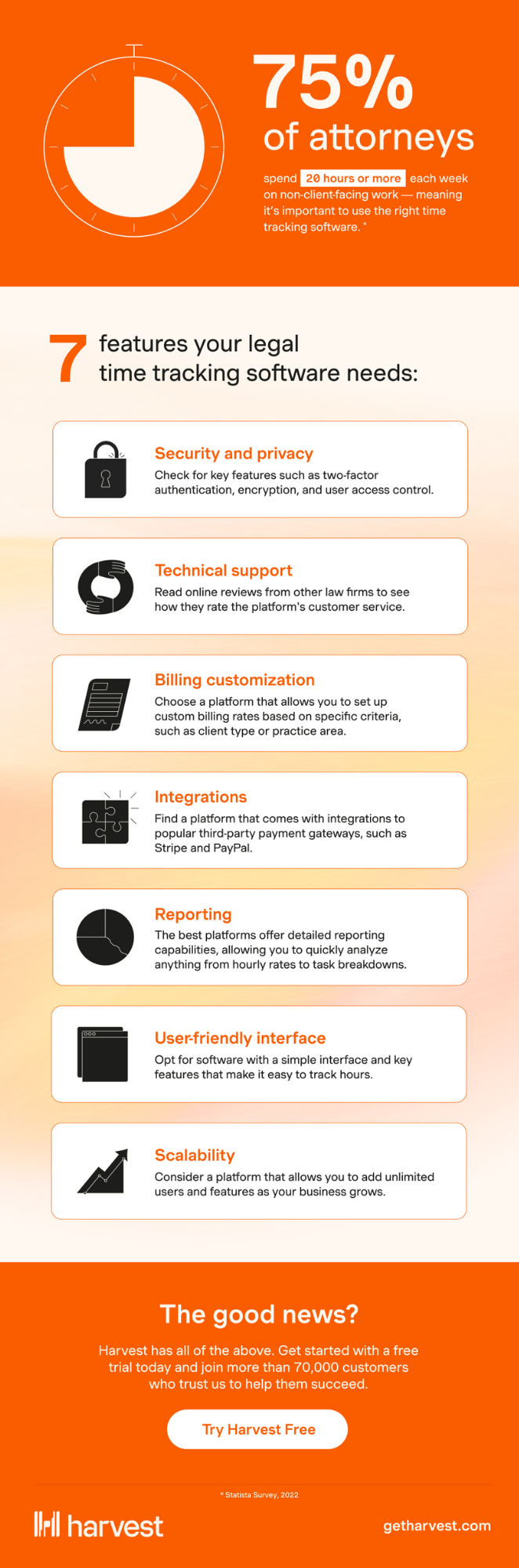
Choosing the right time tracking software is crucial for law firms, but several common mistakes can hinder successful implementation. One major pitfall is selecting software that does not integrate with existing legal billing systems, leading to inefficiencies and data silos. To avoid this, ensure that the chosen software is compatible with your current systems, such as practice management or accounting software, to streamline processes and reduce duplication.
Another mistake is underestimating the importance of user-friendliness. Software that is difficult to use can lead to low adoption rates among attorneys and staff, reducing the potential benefits of the tool. It’s essential to choose a solution with an intuitive interface that requires minimal training, allowing users to start tracking time quickly and effectively.
Firms often overlook the importance of mobile access. Legal professionals are frequently on the go, and lack of mobile access can prevent timely time entries. As per hornwright.com, seamless time entry from any location is crucial for maintaining accurate records.
Lastly, failing to involve end-users in the selection process can be a significant oversight. Engaging attorneys and support staff in demos and trials can provide valuable insights into the software’s usability and ensure it meets the needs of its users. By avoiding these common mistakes, law firms can choose a time tracking solution that enhances efficiency and supports their operational goals.
Best Practices for Implementing Time Tracking in Law Firms
Successfully implementing time tracking software in a law firm requires careful planning and execution. One effective strategy is to begin with a thorough evaluation of existing time-tracking processes to identify inefficiencies and areas for improvement. This foundational step can reveal significant gaps, such as delayed time entries, which often lead to substantial revenue losses.
To ensure smooth adoption, it’s crucial to select a solution that integrates seamlessly with existing practice management and billing platforms. This minimizes disruptions and makes it easier to transition to the new system. Providing comprehensive, role-specific training is another best practice. Training should cover not just the mechanics of the software, but also the benefits of timely and accurate time recording.
Testing the system before full implementation is critical. By prioritizing essential functions and testing them thoroughly, you can identify potential issues before they affect the entire firm. According to mycase.com, firms that have a structured rollout plan tend to experience fewer disruptions.
Finally, consider using Harvest, which offers integrations with over 50 platforms including Asana and QuickBooks, to enhance your time tracking capabilities further. With its one-click timers and detailed reporting, Harvest helps law firms maintain precise records and optimize billing processes. By following these best practices, law firms can maximize the benefits of their time tracking software, leading to improved accuracy, efficiency, and client satisfaction.
User Testimonials and Case Studies
When it comes to legal time tracking, real-world success stories can offer valuable insights. For example, one law firm reported capturing an additional 579,665 billable hours in a single year after implementing automated time-tracking software. This kind of tangible result showcases the potential for increased profitability and efficiency when technology is integrated into daily operations.
Another case worth noting is that of a firm that switched from manual to automated time tracking. They observed a dramatic increase in billable hours—from an average of 2 hours to over 4 hours per day per lawyer. This change translated into an extra $135,000 in earnings per fee earner annually. Such results underscore the critical impact that accurate and efficient time tracking can have on a firm's bottom line. According to lawbillity.com, integrating automated systems is a crucial step for firms aiming to optimize their billing processes.
User testimonials offer another layer of evidence. Many legal professionals highlight the convenience and accuracy brought by modern time-tracking solutions. The shift from traditional methods to tech-driven approaches not only reduces errors but also enhances the overall client experience by ensuring more transparent and precise billing. This evolution reflects a broader industry trend toward embracing technology to streamline operations and improve service delivery.
These examples and testimonials clearly illustrate the transformative power of legal time tracking software. By adopting these tools, law firms can not only capture more billable hours but also refine their overall business strategies, leading to sustained growth and client satisfaction.
Frequently Asked Questions
What are the key features to look for in legal time tracking software?
Key features to look for include automated time tracking, billing integration, and reporting capabilities. Automated tracking helps minimize lost billable hours, while billing integration ensures accurate invoicing. Additionally, robust reporting tools allow firms to analyze time data for profitability and efficiency, making informed decisions to enhance overall performance.
How can time tracking improve efficiency in law firms?
Time tracking can significantly improve efficiency by ensuring that all billable hours are accurately recorded. Lawyers who track their time regularly tend to capture more hours, reducing revenue loss. Furthermore, insights gained from time data can help firms optimize staffing and pricing strategies, ultimately leading to more effective workflow management and increased profitability.
What are the common mistakes to avoid when choosing time tracking software?
Common mistakes include overlooking user-friendliness and failing to assess integration capabilities. It's essential to choose software that is intuitive for all users to encourage consistent usage. Additionally, ensure the software can integrate with existing practice management systems to streamline operations and avoid data silos, which can hinder efficiency.


