What Is Forecast Reconciliation?
Forecast reconciliation is the process of integrating separate forecasts from various departments into a unified, cohesive prediction. This alignment is crucial because it ensures that every part of your organization is working with the same set of expectations and information. This, in turn, promotes more informed decision-making and enhances overall efficiency.
Consider a manufacturing company where production, sales, and supply chain departments each produce forecasts based on their specific data and needs. Without reconciliation, these forecasts might diverge significantly, leading to mismatches in production schedules and inventory levels. By reconciling these forecasts, the company can ensure coherence across departments, minimizing the risk of overproduction or stockouts.
The importance of forecast reconciliation is underscored by a survey indicating that only 28% of organizations consistently use systematic forecasting methods, which highlights a significant opportunity for improvement in many businesses. By adopting a unified forecasting approach, organizations can benefit from reduced errors and improved alignment across teams.
Ultimately, effective forecast reconciliation requires commitment from all involved departments to share data and insights. It's not just about merging numbers—it's about fostering collaboration and communication. By achieving this, businesses can ensure their forecasts truly reflect the collective intelligence of the entire organization.
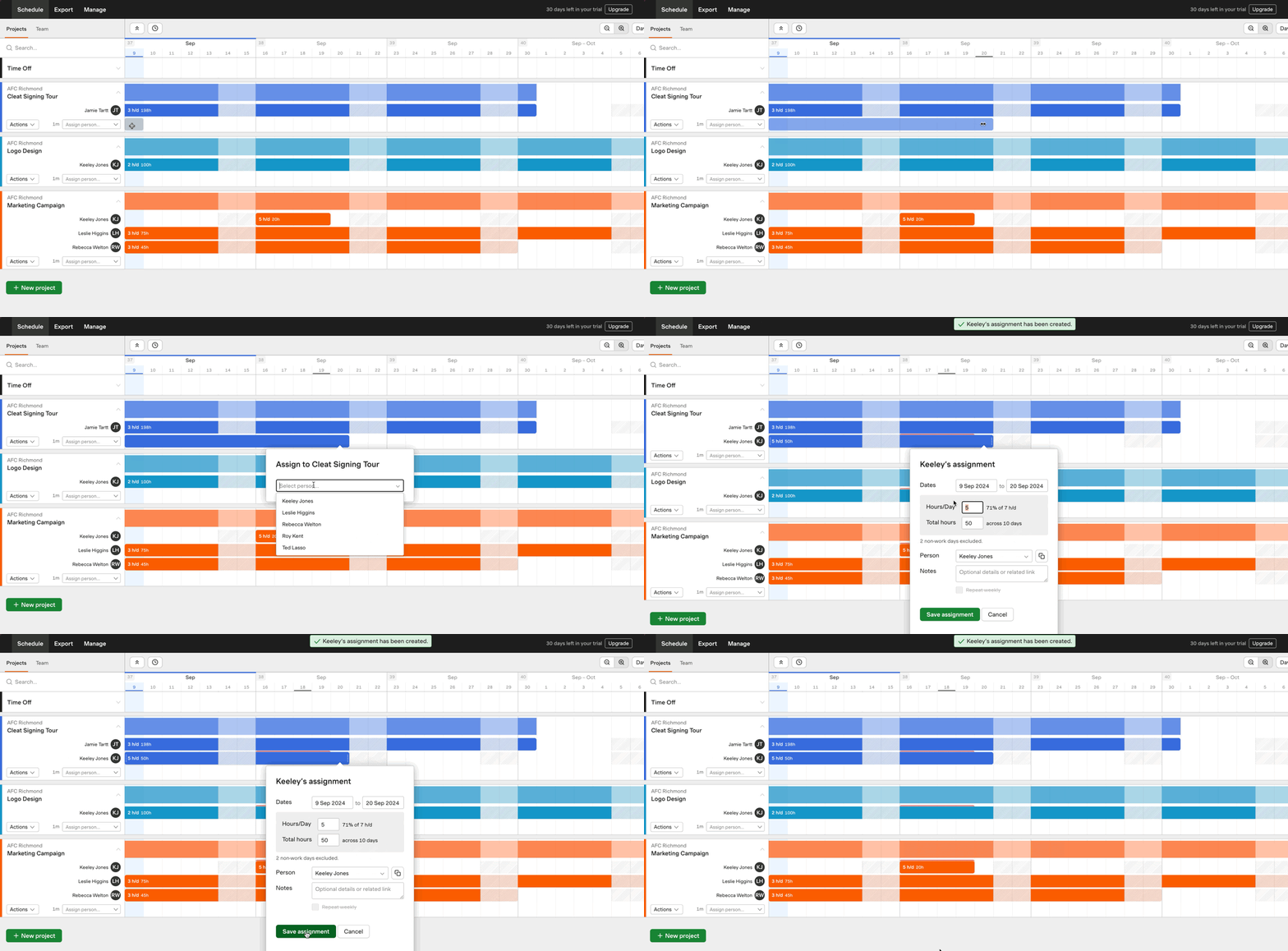
The Golden Rule of Forecasting Explained
The golden rule of forecasting is to adopt a conservative approach, ensuring predictions are grounded in historical data and realistic assumptions. This rule emphasizes the importance of being cautious and well-informed when making forecasts to enhance their reliability and accuracy.
A common misconception is that forecasting should aim for the most optimistic scenario. However, overly optimistic forecasts can lead to unrealistic expectations and potential financial pitfalls. By adhering to the golden rule, you ensure your forecasts are based on cumulative knowledge and are consistent with past and present trends.
For instance, in economic forecasting, the Central Bank of Brazil's Focus Survey ranks forecasters based on accuracy, incentivizing realistic and data-driven predictions. This approach has helped improve the accuracy of forecasts, demonstrating the value of conservative forecasting practices.
Incorporating this rule into your forecasting strategy involves thoroughly analyzing historical data and considering various scenarios to avoid undue risks. By doing so, your business can make more informed decisions, allocate resources efficiently, and navigate uncertainties with greater confidence.
How to Reforecast a Budget Effectively
Reforecasting a budget effectively involves updating your financial plans based on new information, ensuring they remain relevant and accurate. This process is essential when faced with significant changes in market conditions, business priorities, or financial performance.
To begin the reforecasting process, first assess the current budget against actual financial performance. Identify discrepancies and understand their causes. This step is crucial as it provides the foundation for any necessary adjustments. Next, gather new data, whether it be changes in sales forecasts, operating costs, or external economic indicators, to inform your revised budget.
It's important to involve key stakeholders in the reforecasting process to ensure alignment and buy-in. This collaborative approach not only enhances the accuracy of the forecast but also fosters a shared understanding of financial goals and constraints within the organization.
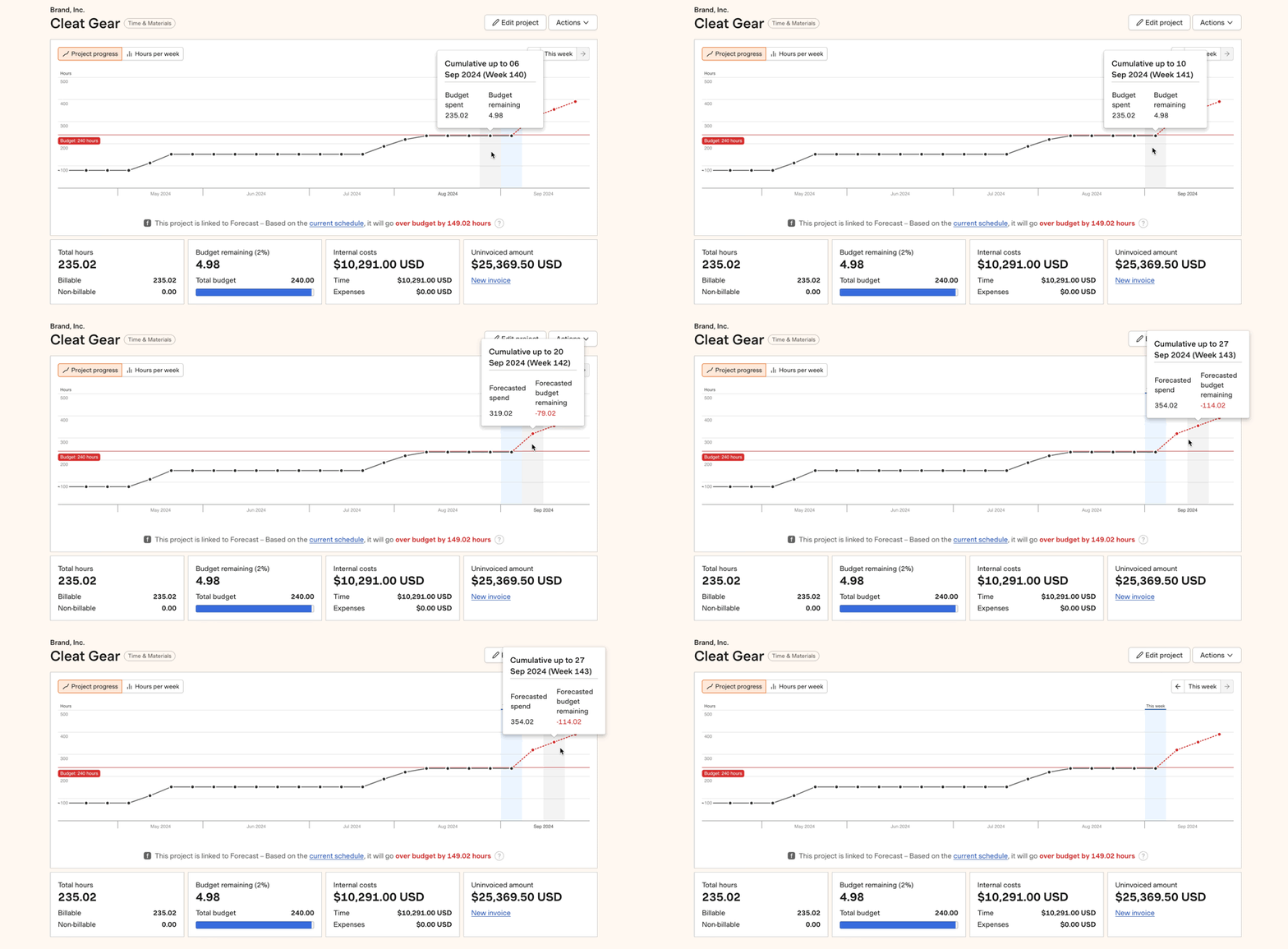
According to research, reforecasting can lead to substantial cost savings. For instance, a 1% improvement in forecast accuracy in the technology hardware sector saved approximately $1.58 million annually. This exemplifies the potential financial benefits of maintaining an agile and responsive budgeting process.
New Features in Forecast: What You Need to Know
The latest features introduced in Forecast are designed to enhance forecasting accuracy and user experience, offering valuable tools for businesses aiming to optimize their planning processes. These new capabilities focus on delivering more precise predictions and improving the ease of use for teams across various industries.
One notable feature is the integration of advanced machine learning algorithms, which can process vast amounts of data to provide more accurate and reliable forecasts. This update reflects the broader trend in business forecasting towards leveraging AI to achieve precision that often exceeds 90%. By incorporating these technologies, Forecast helps businesses better anticipate market demands and adjust their strategies accordingly.
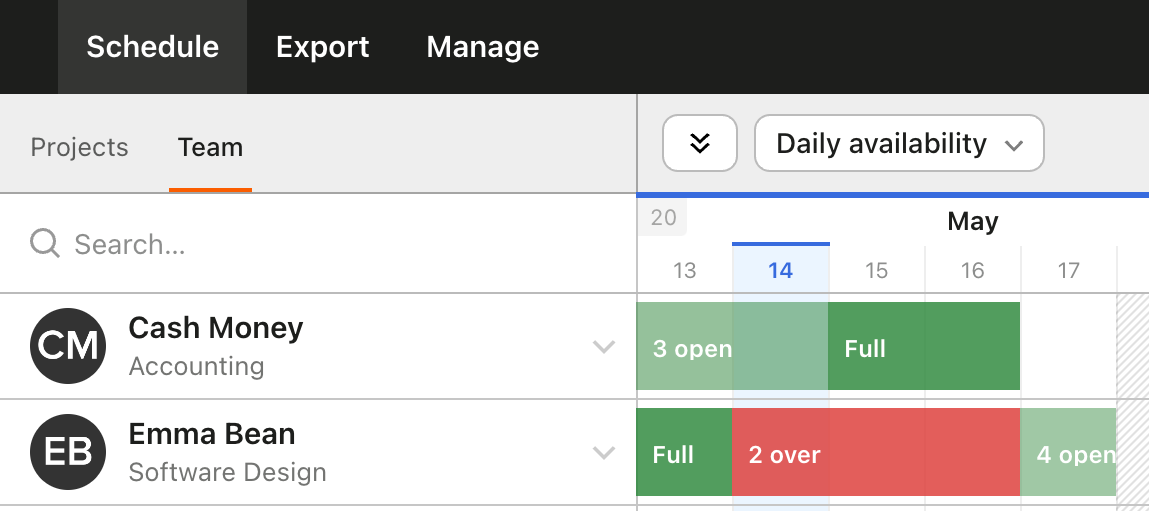
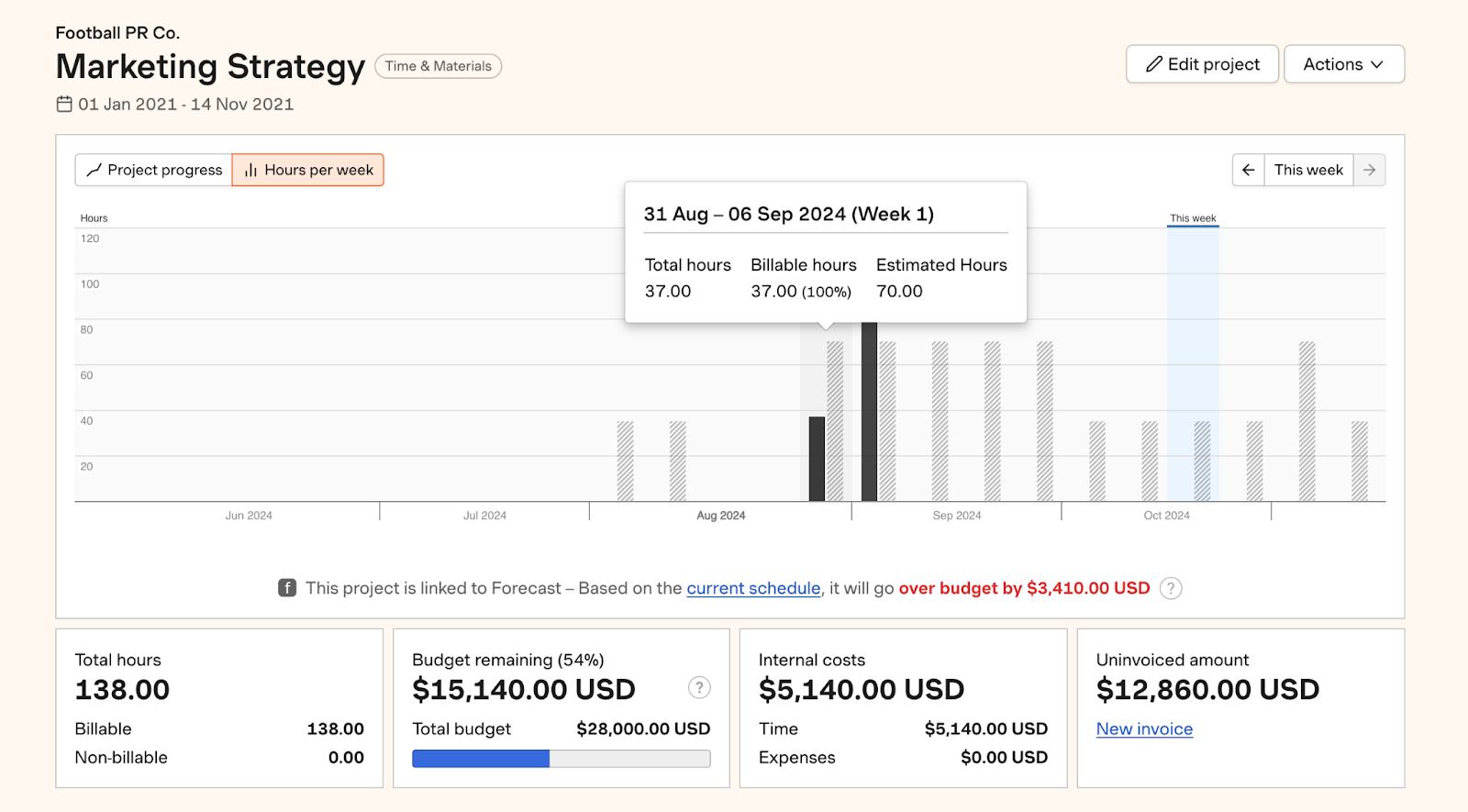
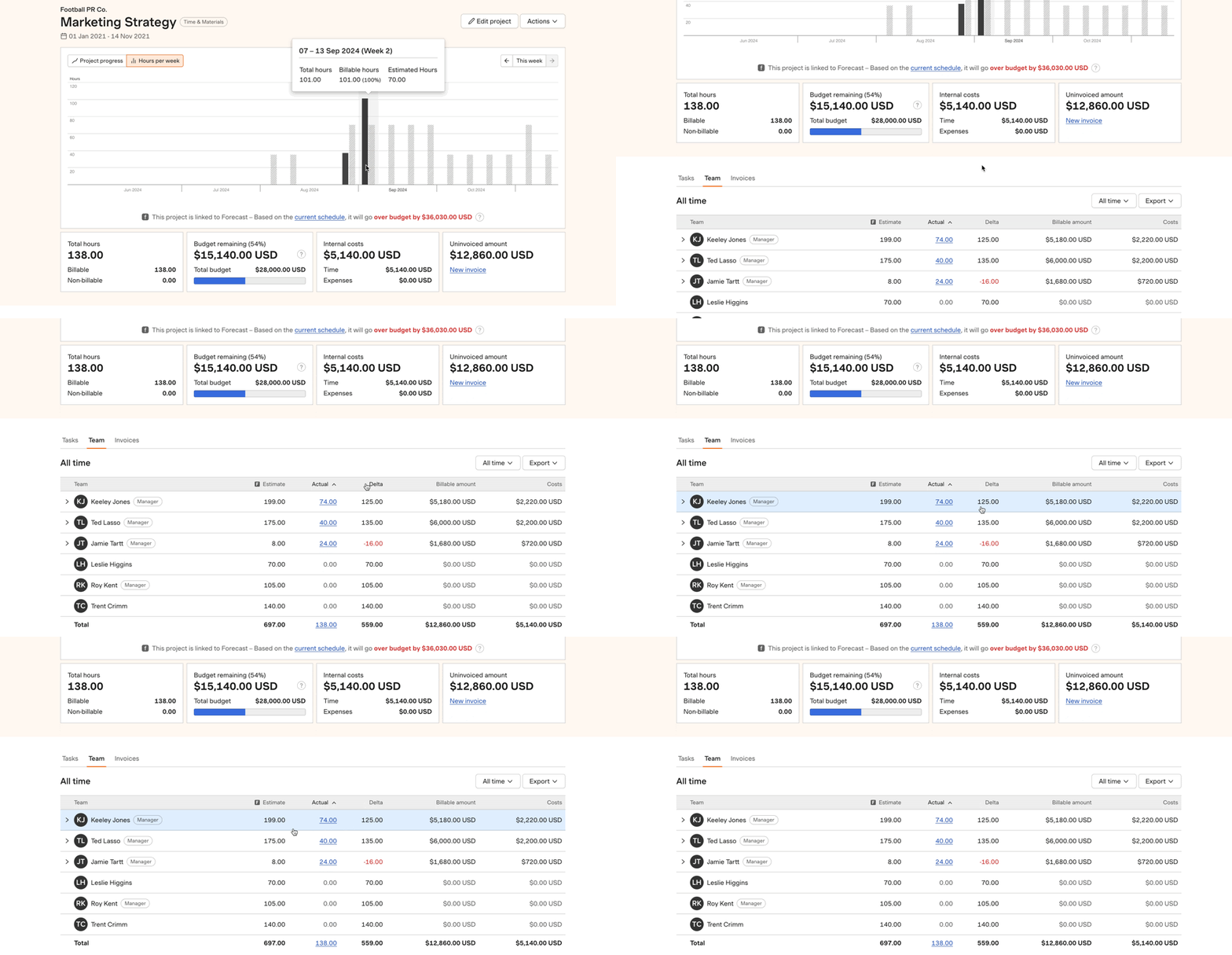
Additionally, improved visualization tools within Forecast allow users to easily interpret complex data. These tools enable teams to quickly identify trends and anomalies, making it easier to make data-driven decisions. The color-coded heat maps, for example, provide a clear overview of team capacity and project timelines, ensuring that resources are allocated efficiently.
Harvest users can seamlessly integrate these features with their existing workflows, allowing for a unified approach to time tracking and project management. For more information on how these new features can benefit your team, visit the Forecast page.
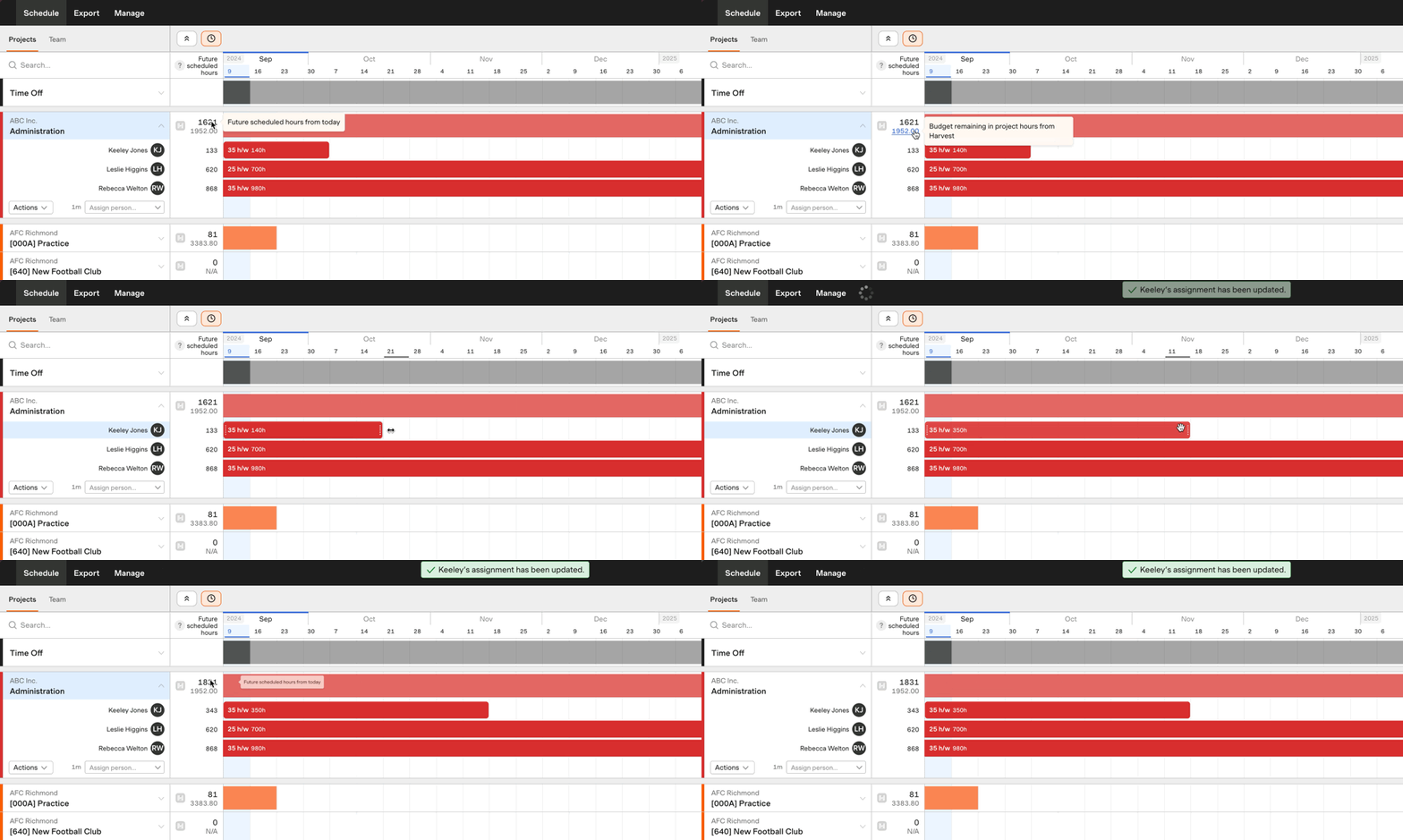
Digital vs. Manual Forecasting Methods
Digital forecasting methods offer significant advantages over manual approaches, primarily in terms of accuracy and efficiency. Digital methods, often powered by machine learning and AI, can process vast amounts of data quickly and accurately, achieving forecast precision exceeding 90%. In contrast, traditional manual methods, such as using spreadsheets, can be time-consuming and error-prone, often resulting in accuracy as low as 40-50%.
The shift towards digital forecasting is driven by the need for businesses to make informed decisions swiftly in a competitive market. For example, AI-driven tools can integrate a variety of data sources, including sales trends, social media signals, and macroeconomic indicators, to deliver highly accurate forecasts. This capability contrasts with manual methods that typically rely on internal sales data, offering a more limited view of potential market dynamics.
However, the transition to digital methods is not without challenges. Many organizations face hurdles in data integration and the initial cost of implementing advanced systems. According to appliedforecasting.com, only 28% of organizations always use systematic forecasting methods.
Ultimately, the best choice between digital and manual forecasting depends on your organization's specific needs and capabilities. Larger firms, or those with complex data environments, may find the investment in digital forecasting tools well justified by the potential for improved accuracy and efficiency. Smaller businesses might initially stick with manual methods but consider gradually integrating digital tools as they scale.
Common Mistakes to Avoid in Forecasting
Common mistakes in forecasting can significantly undermine the accuracy of predictions, leading to poor decision-making. A frequent pitfall is relying solely on intuition rather than data-driven insights. While gut feelings can sometimes guide decisions, they should never replace the comprehensive analysis that forecasting requires.
Another mistake is using outdated data, which can skew forecasts and lead to inaccurate projections. This is particularly risky in fast-moving industries where market conditions can change rapidly. To avoid this, ensure that your data sources are regularly updated and relevant. As noted by logicamatrix.com, integrating external factors like economic indicators and social media trends can significantly improve forecast accuracy.
Lack of transparency is another frequent error. When forecasts are not visible across teams, it can lead to misaligned goals and expectations. Ensuring everyone understands the forecasts helps in making performance discussions data-driven rather than subjective. Regularly reviewing and adjusting forecasts can also prevent errors, as it allows teams to stay responsive to new information.
To improve your forecasting process, integrate technology that automates data collection and analysis. This minimizes manual input errors and provides a more comprehensive view of the data landscape. By avoiding these common mistakes, your business can achieve more reliable forecasts, supporting better strategic decisions.
Case Studies: Success Stories with Forecast
Forecast has helped numerous organizations achieve significant improvements in their business operations. One standout example comes from the manufacturing industry, where demand forecasting is crucial for reducing operational costs and minimizing waste.
A global beverage manufacturer successfully utilized improved demand forecasting, which incorporated external data to avoid overproduction. This strategic use of Forecast led to an impressive annual saving of approximately $9 million. Such results highlight the tool's capability to integrate diverse data sources, providing a more holistic view of market demand and enabling precise production planning.
Another success story involves the technology hardware sector, where reducing over-forecasting error by just one percentage point resulted in saving approximately $1.58 million annually. This demonstrates the substantial financial impact accurate forecasting can have, especially when managing inventories and production schedules.
These case studies from users of Forecast showcase how adopting advanced forecasting tools can lead to better resource allocation and cost savings. By leveraging AI and machine learning, Forecast helps businesses not only predict demand more accurately but also make informed decisions that enhance overall efficiency and profitability. If you’re interested in learning more about how Forecast could benefit your business, you can explore the tool further on forecastio.ai.
Getting Started with Forecast: Next Steps
Getting started with Forecast involves a few straightforward steps that can set your business up for success in predictive planning. First, evaluate your current forecasting process to identify areas for improvement. This might involve assessing data accuracy, inventory levels, and demand patterns.
Next, consider the types of data you currently use and how you might expand this to include external factors like economic indicators and social media trends. This broader scope can enhance the accuracy of your forecasts significantly. Once you've identified the data, choose the appropriate forecasting methods. Forecast offers a range of tools, from qualitative to advanced AI-driven techniques, to suit different business needs and data environments.
To fully leverage Forecast, regular reviews and adjustments of your models are essential. Keeping your forecasts aligned with real-world changes ensures that your predictions remain relevant and actionable. According to blueskygrs.com, using AI-powered tools can automate much of this process, freeing up resources and reducing manual errors.
Finally, use the visual and analytical tools provided by Forecast to communicate findings and engage stakeholders. This transparency can enhance collaboration and ensure all team members are aligned with the business objectives. For more detailed guidance, visit our support page to explore how Harvest and Forecast can be integrated into your operations.
Frequently Asked Questions
What is reconciliation in forecasting?
Reconciliation in forecasting is the process of aligning various forecasts from different departments into a single, cohesive demand forecast. This approach ensures that all forecasts consider the same data and assumptions, leading to improved accuracy and consistency. By fostering collaboration across teams, reconciliation minimizes errors and enhances overall decision-making, ultimately benefiting customer satisfaction and operational efficiency.
What is the golden rule of forecasting?
The golden rule of forecasting is to adopt a conservative approach. This means that forecasts should be grounded in reliable historical data and current knowledge, avoiding over-optimism. By being conservative, forecasters can mitigate risks, ensure realistic expectations, and improve the credibility of their forecasts, which is essential for effective planning and resource allocation.
What does it mean to reforecast a budget?
Reforecasting a budget involves revising the entire budget based on new information and changing circumstances. This comprehensive update ensures that all elements of the budget reflect current realities, rather than just making minor adjustments to specific line items. The result is a fully revised budget that provides a more accurate financial picture, facilitating better decision-making and resource management.


