What is Harvest Forecast?
Harvest Forecast is a powerful tool that helps teams plan and allocate resources effectively. It’s designed to streamline the process of resource scheduling, ensuring that projects are adequately staffed and deadlines are met. By providing a clear view of team availability and project timelines, Harvest Forecast assists managers in making informed decisions about resource allocation.
In industries where project timelines are critical, such as construction and software development, having a tool like Harvest Forecast is indispensable. It allows teams to anticipate resource needs and adjust plans accordingly, which is crucial for maintaining project momentum. According to layerscrop.com, advancements in technology, particularly AI and machine learning, are transforming resource planning by providing more accurate and timely forecasts.
The ability to foresee potential bottlenecks and adjust resource plans can significantly enhance a project’s success rate. Teams using Harvest Forecast can better align their schedules with project demands, reducing the likelihood of delays and overages. This proactive approach to resource management not only improves efficiency but also boosts team morale by preventing burnout.
Key Features of Harvest Forecast
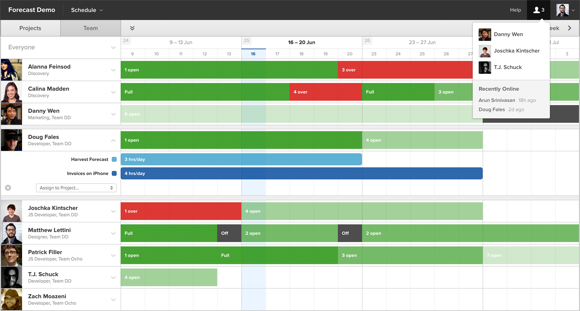
Harvest Forecast offers a range of features that facilitate effective team planning and resource management. One of its standout features is its intuitive scheduling interface, which allows managers to allocate resources visually. This feature is particularly beneficial for visual learners and helps ensure that everyone on the team understands the plan.
Real-time updates are another crucial aspect of Harvest Forecast. As project details change, the tool allows for instant adjustments, ensuring that the entire team is always aware of the current plan. This adaptability is essential in fast-paced environments where priorities can shift rapidly. According to agsquared.com, the increasing need for precision in resource planning makes tools like Harvest Forecast indispensable for modern businesses.
Another key feature is project tracking, which helps managers keep an eye on progress and performance. This feature, combined with comprehensive reporting tools, allows teams to analyze data and make informed decisions. By understanding past performance, teams can forecast future needs more accurately, leading to more successful project outcomes.
How Does Harvest Forecast Compare to Other Tools?
When comparing Harvest Forecast to other resource planning tools, several unique features stand out. Unlike traditional tools, Harvest Forecast offers an intuitive visual interface that makes scheduling straightforward and accessible for all team members. This ease of use sets it apart from more complex solutions that require extensive training and technical knowledge.
Pricing is another area where Harvest Forecast is competitive. Many resource planning tools come with high upfront costs or complicated pricing structures. Harvest offers a more straightforward pricing model, which can be particularly appealing for small to medium-sized businesses that need to manage their budgets carefully. According to agfundernews.com, the AI in agriculture market is seeing substantial growth, which parallels the digital transformation in project management tools.
For teams seeking a tool that integrates well with their existing systems, Harvest Forecast’s integration capabilities are a significant advantage. Unlike some standalone tools, it can seamlessly connect with various project management and time tracking software, enhancing overall workflow efficiency. This integration capability not only saves time but also reduces the potential for errors, making Harvest Forecast a robust choice for comprehensive resource planning.
Integration Capabilities with Other Software
Harvest Forecast excels in its ability to integrate with other software, enhancing workflow efficiency across various platforms. This capability allows teams to create a cohesive ecosystem of tools, which is especially beneficial in environments with complex project needs.
The tool integrates seamlessly with popular project management systems like Asana and Trello, as well as time-tracking tools such as QuickBooks and Xero. These integrations enable teams to synchronize their data, ensuring that everyone is working from the same information. This synchronization minimizes errors and enhances communication, making it easier to manage projects from start to finish. According to meegle.com, effective integration of digital tools with business processes is crucial for optimizing operations.
Harvest Forecast's integration capabilities mean that teams can avoid the inefficiencies often associated with switching between disparate systems. This not only saves time but also allows for more strategic resource allocation. By centralizing data from various platforms, Harvest Forecast provides a comprehensive view of project timelines and resource availability, empowering teams to make informed decisions and enhance productivity.
What Are the Benefits of Using Harvest Forecast?
Harvest Forecast offers several key benefits that can significantly enhance your team's efficiency and project management capabilities. By providing a clear view of resource allocation and project timelines, it enables better decision-making and planning. This foresight helps prevent overbooking or underutilizing your team, thus optimizing productivity and maintaining a healthy work-life balance.
One of the standout benefits of using Harvest Forecast is improved resource allocation. With a visual and transparent system, you can easily see who is available and when, allowing you to allocate tasks to the right people at the right time. This reduces the risk of burnout and ensures that projects are staffed appropriately. According to frontiersin.org, leveraging AI in resource planning can increase project success rates by up to 30%.
Another advantage is enhanced project foresight. By anticipating workload and capacity, you can plan for future projects more effectively. Forecasting tools help visualize potential roadblocks and adjust plans accordingly, leading to fewer last-minute surprises and more consistent project outcomes. This foresight is crucial in industries where time and resources are tightly coordinated, like construction and software development.
Finally, user testimonials often highlight the simplicity and intuitive nature of Harvest Forecast. The visual representation of schedules makes it easy for teams to understand and engage with their workload, fostering better communication and collaboration. In sum, Harvest Forecast not only streamlines project management but also enhances team morale by providing clarity and predictability.
Common Mistakes to Avoid in Resource Planning
Resource planning can be a complex task, and many teams fall into common pitfalls. One major mistake is failing to regularly update resource availability. This can lead to overcommitting team members or underutilizing them, neither of which is ideal. Using tools like Harvest Forecast can help keep team schedules fluid and accurate, making it easier to adapt to changes.
A common misconception is that once a resource plan is set, it doesn't need to be revisited. However, project requirements and team availability can change rapidly. It's essential to regularly review and update your resource plans to reflect these changes. By doing so, you avoid the risk of bottlenecks and ensure that your team is working at optimal capacity. According to iastate.edu, adaptive planning is crucial in rapidly changing project environments.
Another mistake is not aligning resource planning with overall project goals. When resources are allocated without considering the broader project objectives, it can lead to inefficiencies and missed deadlines. Ensure that your resource plans are in sync with your project's key milestones and deliverables to maximize effectiveness.
Finally, neglecting to communicate the resource plan to the entire team is a significant oversight. Everyone involved should understand the resource allocation to work effectively towards common goals. Transparent communication helps align expectations and fosters a collaborative environment. Regular team meetings or updates can facilitate this understanding and keep everyone on the same page.
Steps for Effective Forecasting
Effective forecasting requires a structured approach that can be broken down into several key steps. First, establish the business need for forecasting. Understand what you aim to achieve with your forecasts—be it improving project timelines, optimizing resource allocation, or enhancing financial planning.
Next, acquire the necessary data. Collect historical data, current workload information, and any other relevant metrics that will inform your forecasting model. This data forms the backbone of your forecasting efforts and should be as comprehensive as possible.
With data in hand, build your forecasting model. This involves selecting the right tools and methodologies to interpret your data accurately. AI and machine learning models, for instance, can provide highly accurate forecasts, as seen with AI-driven models in the US agriculture sector projecting corn yields within a 95% accuracy range, months before harvest agfundernews.com.
Once your model is ready, evaluate the results. Compare your forecasts against actual outcomes to assess their accuracy. This step is crucial for refining your model and improving future forecasts. Finally, implement the forecasts into your planning processes, ensuring that all team members are aware of and can act on the insights provided.
By following these steps, you can create a robust forecasting process that supports strategic decision-making and enhances operational efficiency.
Getting Started with Harvest Forecast: Next Steps
Getting started with Harvest Forecast is a straightforward process designed to help teams quickly integrate the tool into their workflow. The first step is to set up your account. Visit the Harvest Forecast website and sign up for a free trial. This allows you to explore the features without any financial commitment.
Next, integrate Harvest Forecast with the tools your team already uses. Harvest Forecast seamlessly connects with popular platforms like Slack, Trello, and GitHub, ensuring that your planning process remains centralized and efficient. This integration can help streamline communication and keep all project-related information in one accessible place.
It’s important to familiarize yourself with the support resources available. Harvest offers a comprehensive range of help articles, tutorials, and customer support to assist you in making the most of Forecast. Taking advantage of these resources can help you overcome initial setup challenges and ensure that your team is using the tool effectively.
Finally, communicate with your team about the transition to Harvest Forecast. Ensure that everyone understands how to use the tool and what benefits it brings to the table. Regular check-ins and feedback sessions can help iron out any kinks in the process and ensure that the whole team is on board. With these steps, your team will be well on its way to mastering resource planning with Harvest Forecast.
Frequently Asked Questions
What are the 7 steps of forecasting?
The seven steps of forecasting include: defining the purpose, gathering data, selecting the forecasting model, analyzing data, generating forecasts, monitoring accuracy, and refining the model. Each step is critical for ensuring that forecasts are accurate and actionable. By following these steps, organizations can improve their ability to predict outcomes and make informed decisions.
What are the 5 steps of forecasting?
The five steps of forecasting are: establishing the business need, acquiring relevant data, building the forecasting model, evaluating the results, and implementing the forecasts. This structured approach helps organizations create reliable forecasts that can guide strategic planning and resource allocation. By focusing on these steps, businesses can enhance their forecasting accuracy and responsiveness.
What are the 4 forecasting methods?
The four common forecasting methods are qualitative forecasting, time series analysis, causal modeling, and judgmental forecasting. Qualitative forecasting relies on expert opinions, while time series analysis uses historical data trends. Causal modeling examines relationships between variables, and judgmental forecasting combines subjective expertise with quantitative data. Each method has its strengths and can be chosen based on specific forecasting needs.


